4 months 3 weeks ago
You’ve got a weekend gig mowing lawns, selling vintage clothes online, or doing freelance graphic design. It’s extra cash, sure, but it’s also a chance to do something smart for your credit score. The problem? Most people treat their side business like a hobby and swipe their personal card for every supply, ad, or tool. That’s a mistake. Starting a side business gives you a perfect opportunity to build credit in a way that doesn’t mess with your everyday spending. The trick is to give that business its own credit card – and use it the right way.First, understand why this matters. Your personal credit score is built on how you handle debt. When you open a business credit card, that account can show up on your personal credit report depending on the lender. Many business cards from major banks report your payment history to the personal credit bureaus, especially if you fall behind. So a business card isn’t some separate world. It’s a tool that can help you or hurt you. If you use it responsibly, you’re adding another positive account to your credit mix. That’s a good thing. But if you treat it like free money and max it out, you’re just digging a hole.The key is separation. When you use your personal card for business expenses, you’re mixing two very different money worlds. That makes tracking your spending a headache, and it also means you’re not getting any extra credit benefit. You might as well be buying a new wrench or a pack of stickers with your grocery card. No one is judging that. But a dedicated business card gives you a clear picture of what your side hustle actually costs. You can see if that “profitable” hobby is really making money once you add up gas, materials, and online fees. That clarity helps you make better decisions, and it also makes your bookkeeping way easier when tax season rolls around.Now, how do you get a business credit card without a “real” business? You don’t need an LLC or a storefront. Most issuers let you apply as a sole proprietor using your Social Security number. You just put your name as the business name or use a simple DBA (doing business as). If you have a decent personal credit score – say, above 680 – you’ll likely qualify for a card with a reasonable limit. That’s your starting line. Don’t be tempted to apply for a bunch of cards at once. Each application can cause a small dip in your score, so pick one card that fits your spending. Look for something with no annual fee and maybe a cash-back bonus on office supplies or gas, depending on your hustle.Here’s the part that actually builds your credit: keep your utilization low. Utilization is the amount of credit you’re using compared to your limit. If your business card has a $2,000 limit and you put $1,800 on it, your utilization is 90%. That’s terrible for your score. Even if you pay it off every month, the statement balance is what gets reported to the credit bureaus. So the rule is simple: charge small amounts and pay them off before the statement closes, or keep the balance under 30% of your limit. For example, if you need $400 of supplies, put $200 on the card and pay the rest from your checking account. Or just make two payments during the month – one before the statement date and one after. That keeps your reported balance low and your score healthy.Another smart move is to set up auto-pay for at least the minimum, but really you should pay the full balance every month. Interest on a business card is brutal – often 20% or more. Carrying a balance just to build credit is backwards. You build credit by showing you can use credit and pay it off, not by paying interest. So treat the card like a debit card. Only charge what you already have in your bank account. If your side hustle season is slow, don’t swipe to keep the momentum. Just let the card sit with a zero balance. That still reports as a paid-on-time account, which helps your history.Finally, remember that starting a side business is about making money, not just building credit. Using a business card wisely does both. It gives you a clear record of your expenses for tax deductions, it separates your personal and business life, and it adds a positive line to your credit report. That means when you’re ready to buy a car or a house in your thirties, you’ve got a score that says you can handle debt, not just a hobby that happened to make a few bucks.So don’t wait until your side hustle turns into a full-time thing. Get a card for it now, keep the balances low, and pay it off every month. Your future self – the one with a great credit score – will thank you.The biggest things that hurt your score are easy to remember: paying bills late and using too much of your credit limit. A single late payment can stay on your report for seven years and really drag your score down. Maxing out your credit cards makes you look risky, even if you pay them off each month. Other hits include having lots of new credit applications in a short time, having only one type of credit, or having negative items like collections or bankruptcies.
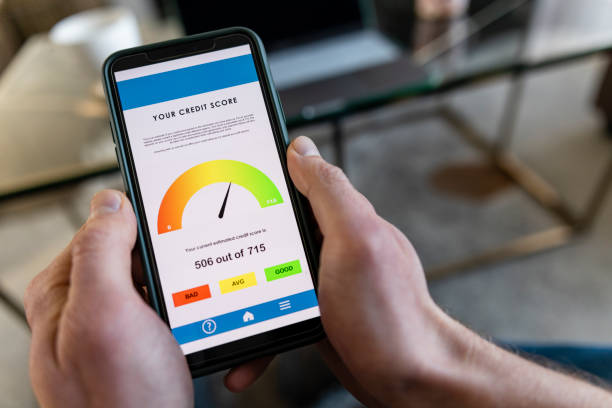
Yes, you can! Experian offers a free service called Experian Boost. It gives you your real FICO Score 8, which is a score many lenders actually use. A unique feature lets you add phone and utility bills to your report, which can help your score. You get free monthly updates directly from one of the three major credit bureaus.
Look at your budget. Find even a small, comfortable amount you can add to your payment every month. Set up an automatic payment for that new, higher total. This way, you don’t have to think about it each month. Start with what you can, and try to increase it whenever you get a little extra cash, like a tax refund or birthday money.
It’s easy! Just use it for one small, regular purchase every few months, like a streaming service or a coffee. Then, set up automatic payments to pay the full balance from your bank account. This tiny bit of activity tells the bank you’re still using the card. They won’t close it for being inactive. The key is to never carry a balance and pay it off completely each month.
Probably not right that second, but it can be hurt quickly. Most companies do not report a missed payment to the credit bureaus until you are 30 days late. This gives you a short window to fix things. If you pay before that 30-day mark, it might not show up on your credit report at all. This is why acting fast is so important to protect your credit score from damage.