4 months 3 weeks ago
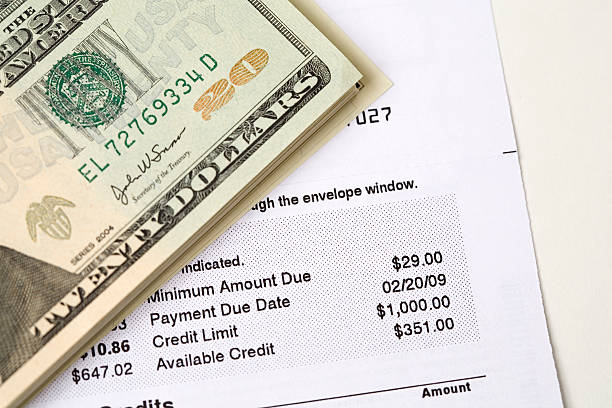
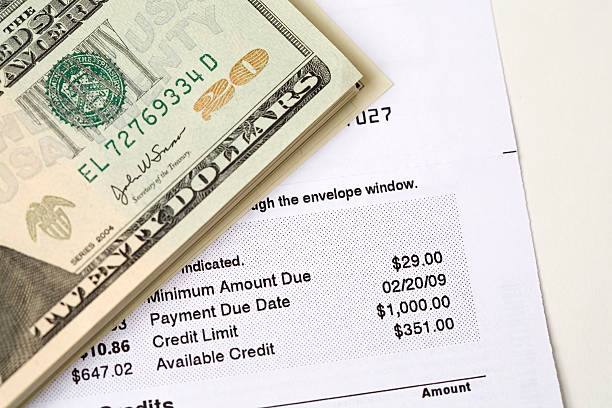
Your credit utilization ratio is the amount of credit you’re using compared to your total credit limit. It’s one of the five biggest factors in your credit score, and it’s also one of the easiest to control. If your card has a $2,000 limit and you owe $400, your utilization is 20%. That number tells lenders how reliant you are on borrowed money, and they pay close attention to it.Why does it matter so much? When you use a large chunk of your available credit, it suggests you might be struggling to cover your expenses. Maybe you’re depending on your cards to get through the month. That looks risky to lenders, so your score takes a hit. On the other hand, low utilization signals that you have plenty of room to take on more debt if needed, which makes you seem more reliable. A person at 10% utilization looks far more stable than someone whose cards are maxed out.The common rule of thumb is to keep your utilization under 30%. So if your limit is $1,000, try to keep your balance below $300. But lower is always better. Many people with excellent credit stay in the single digits, like 5% or even less for a short period. The exact number that’s ideal depends on the scoring model, but the basic idea stays the same: the less you owe relative to what you’re allowed to borrow, the better your score looks.The most direct way to lower your utilization is to pay your balance in full every month. If that’s not always possible, make extra payments during the month, especially right after you make a large purchase. Credit card companies usually report your balance to the credit bureaus once a month, often on your statement closing date. If you pay down your balance before that date, the reported number is lower, and your score reflects that. You can also request a higher credit limit from your card issuer, as long as you don’t use the extra room to spend more. With a higher limit and the same amount owed, your utilization drops automatically.Another strategy is to spread your spending across multiple cards. If you max out one card, that card’s utilization hits 100%, even if your overall utilization across all cards looks fine. That’s because scoring models evaluate both per-card and overall utilization. Using a few cards with healthy limits keeps each one’s ratio low, which is better for your score.There are a couple of myths worth clearing up. Carrying a small balance from month to month does not help your score. You never pay interest to build credit. Paying in full each month is always the right move. Also, closing an old credit card can hurt you, because it removes that card’s limit from your available credit. That raises your overall utilization. Unless that old card has an annual fee, it’s usually smarter to keep it open and use it lightly once in a while.One of the best things about utilization is that it has no memory. Late payments stick around for seven years, but utilization only reflects the numbers on your latest statements. If you had a bad month and hit 80%, you can bounce back quickly. Just pay down the balance, and within a few weeks your score improves. That makes utilization one of the fastest ways to boost your credit if you’ve been carrying heavy debt.In the long run, paying attention to your utilization helps you build good money habits. You start viewing your credit limit as a safety net instead of a spending target. You track your balances, plan your payments, and avoid loading up on debt you can’t handle. Those habits lead to a higher score, which means better interest rates, easier loan approvals, and more financial freedom.So pull up your latest credit card statement. Look at what you owe and what your limits are. If your utilization is above 30%, make a plan to bring it down. Every dollar you pay lifts your score a little. It’s a simple move, but it’s one of the most powerful you can make for your credit.The biggest mistake is hurting your own credit score in the process. Only help in ways you can manage perfectly. If you add them as an authorized user, you must pay your bill on time. If you co-sign, you must be ready and able to pay the entire debt. Your financial health comes first. Set clear rules, like if they have a card, they must pay you back immediately for any charges.
When you pay in full every month, you never pay a penny in interest or late fees. Credit card interest is very expensive and can make your purchases cost a lot more over time. By avoiding interest, you keep more of your own money. This habit forces you to only spend what you already have in your bank account, which stops debt from piling up and keeps you in control of your finances instead of the bank.
A credit report error is simply wrong information on your credit file. This could be a bill you already paid showing as unpaid, a loan that isn’t yours, or even a mistake in your name or address. Think of it like a typo on a school paper—it doesn’t reflect your true work. These mistakes can unfairly lower your credit score, so it’s important to find and fix them.
The main “catch” is that you cannot use the money until you’ve paid the loan off. You need to be sure you can stick to the payment schedule for the full term. Also, while interest rates are generally low, you are paying some interest for this service. If you miss a payment, it will hurt your credit score just like any other loan. So, only sign up if the monthly payment fits easily into your budget.
Even being a little late can hurt. Most companies report late payments to credit bureaus after 30 days past the due date. However, you might still get hit with a late fee from the company itself. Life happens, so if you miss a date, pay it immediately. Then, call the company, explain, and ask if they can waive the fee as a one-time courtesy.