6 months 1 weeks ago
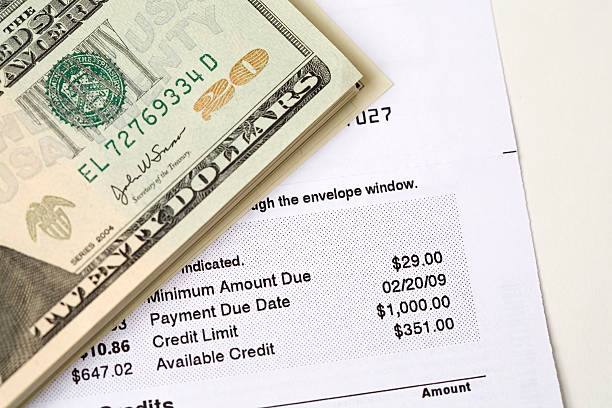
Applying for your first credit card is a big step. You probably know that lenders will look at your credit score, your income, and maybe your job history. But there is one factor that quietly carries a lot of weight in the decision, even though many newbies have never heard of it. It’s called credit utilization. This is the fancy name for how much of your available credit you are actually using at any given time. It might sound technical, but the idea is simple: if you have a credit limit of one thousand dollars and you owe two hundred dollars, your utilization is twenty percent. Lenders love to see that number stay low because it tells them you are not living on borrowed money. You are using credit as a tool, not as a crutch.Here is why utilization matters so much. When a lender pulls your credit report, they want to see if you can handle responsibility. Someone who maxes out every card they own looks risky. They might be one bad month away from missing payments. On the other hand, someone who barely touches their available credit looks safe. They have access to money, but they are not desperate to use it. That is exactly the kind of person a lender wants to hand more credit to. So even though your utilization is not the same as your payment history, it plays a huge role in calculating your credit score. In fact, it is the second biggest factor in most scoring models, right behind paying your bills on time. For someone just starting out, keeping your utilization in a healthy range can be one of the fastest ways to build a strong score.The tricky part is that utilization is not just about the total amount you owe. It is about the ratio. Let’s say you get your first card with a limit of five hundred dollars. You charge a birthday dinner for a friend that costs one hundred and fifty dollars. That puts your utilization at thirty percent. That is not terrible, but it is on the higher end of what lenders like to see. Most experts recommend keeping your utilization under thirty percent. Some even say under ten percent is ideal if you really want to impress a lender. The point is, with a low limit, even a small purchase can spike your ratio. A hundred bucks on a five hundred dollar card looks a lot different than a hundred bucks on a ten thousand dollar card. This is why your first credit card can feel like a tightrope walk. You want to use it enough to show activity, but not so much that you look overextended.There is also a hidden trap called the statement date. Many people think as long as they pay off their balance by the due date, they are fine. And that is true for avoiding interest. But your credit utilization is usually reported to the credit bureaus on your statement date, not your due date. So if you make a bunch of purchases, wait for the statement to come out, and then pay it off, that balance that shows up on your statement is what gets counted toward your utilization. If you have a low limit, a few big purchases can make your utilization look sky high for that month, even if you plan to pay it all off on time. To avoid this, you can pay down your balance before the statement closes. That way, the number your card issuer reports reflects a lower amount. It sounds like a small detail, but it makes a real difference.Another thing to know is that utilization has no memory. Unlike late payments, which can haunt you for years, utilization is a snapshot of your current balances relative to your limits. So if you have a high utilization one month, you can drop it the next month by paying off more of what you owe. Lenders look at your latest utilization, not what it was six months ago. This is good news for anyone starting out because it means you can fix a high utilization just by making a few changes. You do not have to wait years for it to clear up. You just need to lower your balance and wait for the next statement to come out. That said, a consistently high utilization can still hurt you over time because it signals that your spending habits are not under control. So while one bad month is not a disaster, you should treat a high ratio as a warning sign.The best way to keep your utilization low is to set up a simple habit. Use your credit card for small, regular purchases like gas or streaming services. Then pay it off in full every month. If your limit is very low, consider making a mid-month payment as well. This keeps your statement balance small, which keeps your utilization tiny. Also, resist the urge to ask for a credit limit increase right away. Some people think a higher limit gives them more room to spend, but it actually improves your utilization automatically if you keep your spending the same. A higher limit with the same balance means a lower ratio. So if you have been using your card responsibly for several months, you can request an increase and watch your utilization improve. Just do not treat an increase as a license to run up more debt.Finally, remember that lenders look at your utilization across all of your cards, not just one. For a first-time credit card user, this is easier because you probably only have one card. But later, when you add more cards, keep track of the combined total. Maxing out one card while leaving the others empty still looks risky because your overall utilization is high. The golden rule is simple: use credit like you would a sharp knife. It is a useful tool, but you never grab the blade. Keep your balances low, pay on time, and check your numbers on a regular basis. Before you know it, your utilization will be a strength instead of a weakness, and lenders will see exactly what they want to see.The single most powerful thing you can do is pay every bill on time, every single time. Payment history is the biggest factor in your credit score. Set up reminders or automatic payments so you never forget. Even being just 30 days late can stay on your report for years and really hurt you. Consistent, on-time payments show lenders you are responsible and can be trusted with more credit.
Start with your list of debts. Two popular methods are the “Snowball” and “Avalanche.“ With Snowball, you pay the smallest debt first while making minimum payments on the rest. With Avalanche, you attack the debt with the highest interest rate first. Choose the one that motivates you most! Then, look at your monthly budget. Find any extra money, even just $20, and add it to your chosen debt’s payment. Stick with it every single month.
An authorized user is a person who gets a card linked to someone else’s account. You can use the card to make purchases, but you are not legally responsible for paying the bill. The main account holder is the one who must make the payments. Think of it like getting a copy of a key to a house—you can use the door, but you don’t own the house or pay the mortgage.
Your oldest card is special because it shows how long you’ve been responsible with credit. Think of it like a long-term friendship—the longer it lasts, the stronger it looks. Credit bureaus love to see a long history. Closing that account can make your overall credit history look shorter instantly. This can cause your credit score to drop. It’s the anchor of your credit history, so keep it safely open even if you don’t use it much.
A starter card is your first step into using credit. It’s made for people who are new to credit or are trying to build it from scratch. These cards usually have lower credit limits and simpler rules to help you learn. Think of it like training wheels for a bike. They help you get the hang of spending responsibly and paying on time without giving you too much spending power right away. Using one well is the best way to build a strong credit history.