
2 months 2 weeks ago
You probably think of your credit score as something that only gets built through credit cards or loans. That makes sense — those are the big tools that show up on your credit report. But what if you could use something as simple as the bill you already pay every month? Your phone bill, or your electric and water bills, might actually help you build a credit history without ever opening a credit card. This is a real thing, and it’s easier to take advantage of than you might think.Most utility and phone companies don’t automatically report your payment history to the three major credit bureaus: Equifax, Experian, and TransUnion. That means your on-time payments for electricity, internet, or your monthly phone plan usually don’t get counted toward your credit score. You’ve been paying those bills on time for years, but that responsible behavior has been invisible to lenders. It feels like a wasted opportunity, right? Well, there are now ways to change that.The most straightforward option is called Experian Boost. It’s a free service from Experian that lets you connect your bank account to verify your utility and phone payments. Once you do that, Experian adds those positive payment records to your credit file. It only counts payments that were made on time, and it won’t hurt your score if you’ve missed a payment here or there — it just doesn’t include those late ones. The idea is simple: if you’ve been paying your phone bill every month for two years, that’s a strong sign you’re reliable with money. Experian Boost takes that history and turns it into a better credit score. Many people see their scores jump by several points, sometimes even more than twenty points, depending on how much payment history they have.Another option is called UltraFICO, which works a little differently. Instead of adding utility bills directly to your credit report, it looks at your checking and savings account activity to show lenders how well you manage cash flow. If you keep a healthy balance and avoid overdrafts, that positive behavior can boost your credit score. While UltraFICO isn’t strictly about phone bills, it’s another way to use everyday payments and banking habits to help your credit without needing a credit card.If you want to go the more traditional route, you can also manually ask your utility or phone company to report your payments to the credit bureaus. Some smaller local utilities and regional phone providers are willing to do this if you request it. It’s not as common as using Experian Boost, but it doesn’t hurt to ask. You’d need to check with each company to see if they have a process for reporting on-time payments. Keep in mind that this only works if you pay consistently — late payments could get reported too, which would drag your score down. So only go this route if you’re confident in your payment history.There’s also a growing trend of “rent reporting” services that let you include your rent payments in your credit file. While rent isn’t a utility bill, the principle is the same: everyday recurring bills that you already pay can count toward your credit. Many of these services, like RentTrack or LevelCredit, also let you report other recurring bills like streaming subscriptions or gym memberships. The more of your regular payments that show up, the fuller your credit picture becomes.Now, you should know a few things before you jump in. First, using utility and phone bills to build credit only works if those services actually report to the bureaus. Experian Boost is the easiest and most widely used option, but it only affects your Experian score. That means one of your three credit scores might go up, but the other two won’t change. That’s still useful, because lenders often pull one or two of the major scores, so a boost on Experian can help you get approved for a loan or a better interest rate. Second, these tools are most helpful for people with no credit history or a thin credit file. If you already have years of solid credit card use, adding phone bills won’t move the needle much. But if you’re just starting out or you’ve made some mistakes in the past, this can be a real game-changer.Finally, don’t expect this to work overnight. Building credit is a slow and steady process. The best approach is to combine this with other responsible habits, like paying all your bills on time and keeping any existing credit card balances low. When your phone bill, electric bill, and water bill start contributing to your credit history, you’ll have a stronger, more complete profile that shows lenders you’re trustworthy. And that’s the whole point — proving you can handle money without needing to carry a credit card.So before you stress about opening a new card just to build credit, look at the bills you already pay. That monthly phone payment isn’t just keeping you connected — it might also be the key to unlocking a better credit score.Paying off a loan early is good for your wallet because you save on interest, but it can cause a small, temporary dip in your credit score. This happens because closing an account in good standing shortens your credit history length. Don’t let this scare you, though! The dip is usually minor and temporary. The long-term benefits of being debt-free and having a history of on-time payments are much more valuable.
Look for a card that reports your payments to all three major credit bureaus—this is how you build credit! Avoid cards with high annual fees; many good starter cards have low or no fees. Make sure you understand the interest rate, but plan to pay the full balance so you avoid interest anyway. Some cards offer a path to “graduate” to a better card later. Read the fine print and choose the simplest card you can find to start your journey.
Only charge what you can afford to pay off with the cash already in your bank account. Your credit card is not free money or for emergencies—use your savings for that. Pay the entire statement balance by the due date. This way, you avoid all interest charges and late fees while building a perfect payment history, which is the biggest factor in your score.
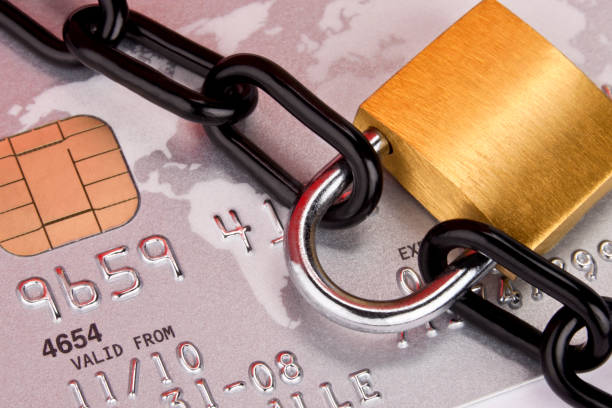
You have powerful, free tools! By law, you can check your credit report for free every week at AnnualCreditReport.com. Look for accounts or inquiries you don’t recognize. Also, consider placing a free credit freeze with the three credit bureaus. This lock stops anyone from opening new credit in your name. You can temporarily lift the freeze when you need to apply for real credit yourself. Staying watchful is your best defense.
It helps because the credit card company reports the account to the credit bureaus under your name too. If the main user pays the bill on time every month and keeps the balance low, that good history gets added to your credit report. This positive activity can help you build a credit history from scratch or improve a low score, showing future lenders you can be trusted.