
3 months 3 weeks ago
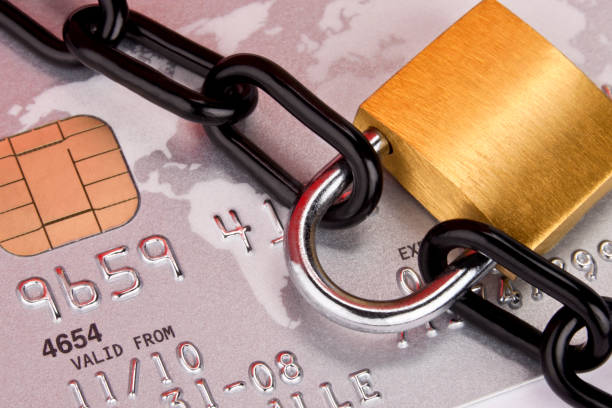
When someone steals your personal information and opens accounts in your name, it feels like a violation. You didn’t sign for those loans or run up those credit card bills, but suddenly your credit score drops and you’re getting calls from debt collectors. You aren’t stuck with this damage forever. Rebuilding your credit after identity theft takes patience, but it is doable.First, clean up the mess. When you spot accounts you don’t recognize or inquiries you never made, contact the three major credit bureaus – Equifax, Experian, and TransUnion. Ask each for a fraud alert. This tells lenders to verify your identity before approving new credit, which stops the thief from doing more damage. One bureau is enough because they tell the others. The alert lasts a year and can be renewed. For severe cases, request an extended alert that lasts seven years.Next, get copies of your credit reports from all three bureaus. Get them free at annualcreditreport.com. Go through every line carefully. Look for accounts you never opened, addresses you never lived at, and any hard inquiries you didn’t authorize. List anything wrong because you’ll need to dispute each item separately.For each fraudulent account, file a dispute with the credit bureau that reports it. Send a letter saying the account is from identity theft. Include a copy of your identity theft report from IdentityTheft.gov. The bureau must investigate and remove the false info within about 30 days. Also contact the creditor who opened the account. Tell them it wasn’t you, ask them to close it, and give them the same report. Keep records of every email, letter, and phone call.While the disputes are processing, there’s something else you can do to protect yourself: place a credit freeze. Unlike a fraud alert, a freeze blocks access to your credit report entirely, so no one can open new accounts in your name. Freezes are free and they stay until you lift them. You have to do it with each bureau separately, but it takes just a few minutes online. Once the freeze is on, even legitimate attempts to check your credit – like when you apply for an apartment or a new credit card – will be blocked until you temporarily lift it. That’s a small hassle compared to the peace of mind.After the fraudulent accounts are removed, you might still see damage to your own legitimate credit history. Maybe you had late payments or high balances that weren’t related to the theft. Identity theft doesn’t wipe away your existing mistakes, so you’ll have to rebuild the normal way. That means paying all bills on time, keeping credit card balances low, and not applying for too much new credit at once. Start with a secured credit card if you have no clean credit cards left. A secured card requires a deposit that becomes your spending limit. Use it for small purchases and pay the full balance every month. Within six to twelve months of responsible use, you’ll see your score start to climb.Also consider getting a credit monitoring service for a while. Many banks and apps offer free monitoring. These services alert you whenever something changes on your credit report, so you’ll catch any new fraud attempts right away. You don’t need to pay for premium monitoring – the free basics are usually enough.Remember that rebuilding is a marathon, not a sprint. Negative items that came from identity theft can be removed quickly once you provide the right paperwork. Your own late payments, if any, fall off after seven years. But the fastest way to rebuild is to develop clean habits going forward. Check your credit reports every few months, keep your personal information safe, and never share your Social Security number unless absolutely necessary. Identity theft is scary, but you can come back from it. Every month of on-time payments and responsible credit use brings your score one step higher, and before long, the whole episode becomes just a bad memory.Pay your statement balance in full and on time, every single month. This is non-negotiable. The goal is to build credit without costing you money. When you pay the full balance by the due date, you pay zero interest. It turns your credit card into a powerful tool for your credit score instead of a debt trap. Setting up automatic payments from your bank account is a great way to never forget.
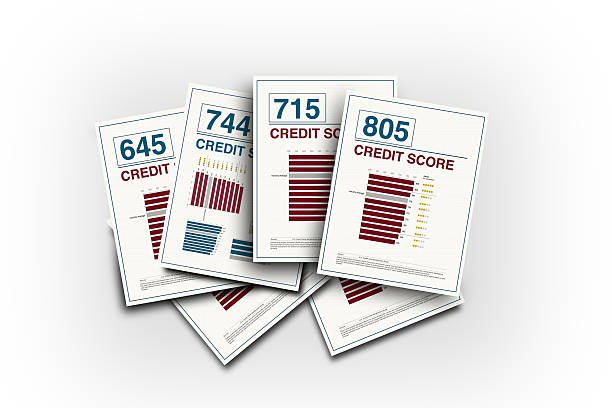
Your credit report is the detailed history of your loans and bills. Your credit score is the number grade that comes from that history. The report is like all your test papers and homework; the score is the final grade on your report card. You need to check both to get the full picture of your credit health.
Start with your most important credit bills—the ones that show up on your credit report. This includes your credit card bills, car loan, student loan, or personal loan. You can also add other regular bills like your phone or utilities, but focus on the credit-related ones first. The goal is to make sure the payments that lenders care about most are always made on time, every single month, without you having to think about it.
Even with careful planning, surprises happen—like a major car repair or a new roof. With a strong credit history, you have options. You could qualify for a low-interest personal loan or use a credit card with a low rate. Bad credit would force you into high-interest loans that eat away at your savings. Good credit gives you a safety net that’s affordable and keeps your financial plan on track.
A secured loan is a loan where you promise something you own, like a car or cash savings, as “collateral.“ This is like giving the lender a safety net. If you can’t pay the loan back, the lender can take that item. Because of this safety net for them, they are often more willing to give you the loan and might offer you a better interest rate. It’s a common tool to help people build or fix their credit history when used carefully.