

today
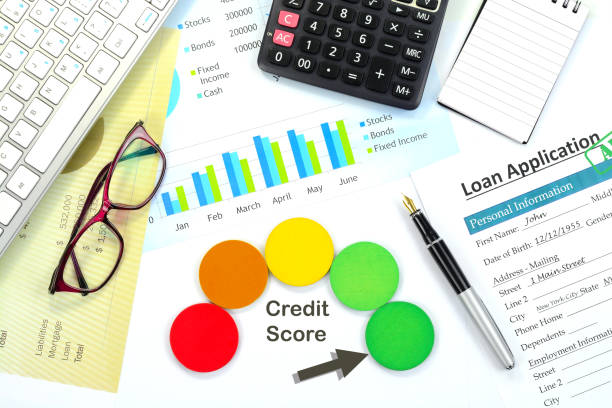
A credit score is a three-digit number that tries to predict how likely you are to pay back borrowed money on time. Most scores fall between 300 and 850. Lenders and others use it to decide whether to approve you and what terms you get. It is not a measure of your worth or income. It is simply a snapshot of how you have handled credit in the past.Your score comes from information in your credit reports. The three major credit bureaus collect details about your accounts, payment history, balances, and inquiries. Scoring models then turn that information into a number. Different scoring models can make your score vary depending on where you check it. A score from one app may not match a lender’s score. That does not mean one is wrong; they may use different data or formulas.Payment history is the biggest piece of the puzzle. If you pay on time, your score benefits. If you pay late, it can drop. A payment 30 days late hurts more than one a few days late, but both can leave a mark. The longer a late payment sits on your report, the less it usually matters, but it can stay there for years. Setting up autopay for at least the minimum can help you avoid accidental missed payments.How much you owe is the next major factor. This is often called credit utilization. It compares your credit card balances to your credit limits. If you have a $1,000 limit and a $500 balance, your utilization is 50 percent. That is high and can lower your score. Keeping utilization below 30 percent is good; below 10 percent is even better. You can improve this by paying down balances, making payments before the statement closing date, or asking for a credit limit increase without spending more.Length of credit history matters too. A longer history of responsible credit use can help your score. This includes the age of your oldest account and the average age of all your accounts. Closing an old card can shorten your history, so think carefully before canceling a card you have had for years. If it has no annual fee, keeping it open and using it lightly can help.New credit activity also plays a role. When you apply for a loan or credit card, the lender usually checks your credit. That creates a hard inquiry. One or two inquiries may not hurt much, but several in a short time can make you look risky. Rate shopping for a car loan or mortgage is often treated differently, because scoring models know you are comparing offers. Still, avoid opening several cards just for sign-up bonuses you do not need.Credit mix is a smaller factor. It looks at whether you have experience with different types of credit, such as credit cards, auto loans, and student loans. You should not take out a loan just to improve your mix. That can backfire if you cannot afford the payments. A simple mix you manage well beats a complicated one that stretches you thin.Your score changes as your reports change. A paid-down balance, a new account, or a corrected error can move it. So can a late payment or a maxed-out card. That is why checking your credit reports regularly matters. You can get free reports from each of the three major bureaus. Look for accounts that are not yours, payments marked late when you paid on time, or balances that seem wrong. If you find an error, dispute it with the bureau and the company that reported it.There is no magic shortcut to a great credit score. Credit repair companies cannot remove accurate negative information. Only time, on-time payments, lower balances, and a clean report can do that. The good news is that your score is not permanent. Even after a rough patch, you can rebuild it step by step. Start with one small habit: pay every bill on time. Then work on paying down what you owe. Then keep older accounts open and apply for new credit only when you truly need it. Over time, those everyday choices add up to a score that opens doors for you.Your credit limit is the maximum amount of money your credit card company says you can borrow at one time. Think of it like a financial guardrail. It’s not a goal to hit or a suggestion for how much to spend each month. Knowing this number is your first step to using your card wisely and avoiding the stress of maxing it out, which can hurt your credit score.
A late payment can stick around for a long time—up to seven years! Even though its impact lessens over time, it’s a serious mark on your report. The good news is, recent history matters most. So, if you start paying everything on time now, you can begin to heal your score. Think of it like a scrape: it leaves a scar, but it hurts less and less as it heals, especially if you take better care of yourself moving forward.
Not right away. You must first make sure the debt is correct and that you actually owe it. Mistakes happen! Once you get the validation letter, check the amount, the original creditor, and the dates. If something is wrong, you can dispute it in writing. If it’s correct, you do owe the debt. But you can still work on a payment plan or settlement. Never agree to pay anything until you have the deal in writing from the collector.
Starting with just one card is the smart move. Learn to manage it perfectly first—paying on time and in full. Having more than one card can be helpful later to increase your total available credit, which can help your score. But more cards mean more bills to track and more chances to overspend. Only consider a second card after you’ve mastered the first one for at least a year.
Yes, it matters a lot. The longer you’re late, the worse it gets. A payment 30 days late is bad, but a 60- or 90-day late payment is much more severe. It shows lenders you’re having serious trouble keeping up, not just forgetting a due date. Each later stage (like going from 60 to 90 days) can cause another big drop in your score. The best move is to catch it before it hits 30 days to avoid the first major hit.