
4 months 1 weeks ago
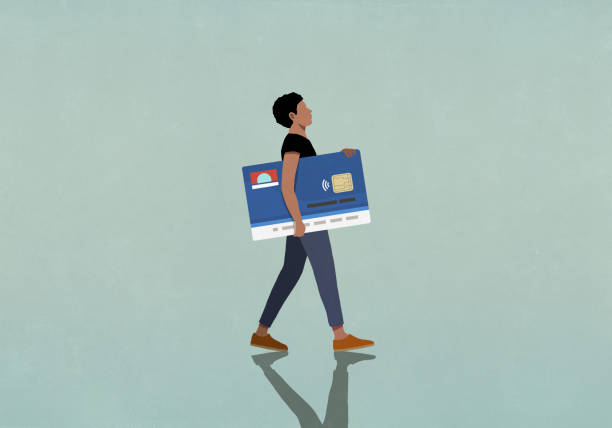
Bankruptcy can feel like a giant reset button that wipes out your financial life. It is stressful, emotional, and confusing. But here is the truth: bankruptcy is not the end. It is actually a fresh start. The hardest part comes next, which is rebuilding your credit score from the ground up. You might think that no one will ever want to lend you money again, but that simply is not true. There are tools built specifically for people in your situation, and one of the most effective is the secured credit card.A secured credit card works differently than a regular, unsecured credit card. With a standard card, the bank gives you a line of credit based on your promise to pay them back. They trust your credit history. After a bankruptcy, that trust is low, so no bank is going to hand you an unsecured card. A secured card flips the script. You give the bank a cash deposit upfront, and that deposit becomes your credit limit. For example, if you put down two hundred dollars, you get a card with a two hundred dollar spending limit. That deposit protects the bank in case you do not pay your bill. It is a simple trade: your money, their trust.So why is a secured card so powerful for rebuilding credit? Because it reports your payment activity to the three major credit bureaus every single month. Those bureaus track your payment history, and payment history is the single biggest factor in your credit score. When you use a secured card and pay the balance on time, every month that positive behavior gets recorded. Over time, those good records start to outweigh the bankruptcy on your report. The bankruptcy will not disappear quickly, but its impact fades as new positive information piles up.Getting a secured card is easy. You can apply online, at a bank, or through a credit union. Shop around for one with low fees. Some secured cards charge an annual fee or an application fee. Others do not. Look for a card that reports to all three bureaus, because that gives you the most bang for your buck. Also, check if the card allows you to upgrade to an unsecured card in the future. Many good secured cards do exactly that. After a year or two of on-time payments, the bank may automatically return your deposit and switch you to a normal card. That is a great milestone to aim for.Once you get the secured card, resist the urge to use it for everyday spending like coffee, groceries, or gas. That is a trap. The whole point is to build credit, not to rack up debt. The best strategy is to keep your usage very low. Experts suggest using less than thirty percent of your credit limit, but with a two hundred dollar limit, thirty percent is only sixty buck. That is easy to overspend if you are not careful. A better approach is to make one small purchase each month, like a streaming subscription, and then pay it off in full when the statement arrives. That way, you show consistent, responsible behavior without ever carrying a balance.Paying on time is non-negotiable. Set up automatic payments from your checking account so you never miss a due date. Even one late payment can set you back, especially when you are just starting out. Treat this secured card like the most important bill you have, because for your credit score, it pretty much is.Another thing to understand is timing. Bankruptcy stays on your credit report for seven to ten years, depending on the type. That sounds scary, but you do not need to wait that long to see your score climb. Most people see noticeable improvement within six to twelve months of responsible credit building. The key is consistency. Do not apply for a bunch of new credit cards at once. Each application causes a small dip in your score, and having many new accounts can look risky. Focus on one secured card, use it wisely, and let time do the work.You should also check your credit reports regularly. You can get free copies from the three major bureaus at AnnualCreditReport.com. Look for errors, like accounts that should have been discharged in your bankruptcy but are still showing a balance. Dispute any mistakes you find. A clean report helps your score recover faster.Finally, be patient with yourself. Rebuilding credit is not a sprint. It is a slow, steady journey. You will not go from bankruptcy to a seven hundred score in a few months. That is okay. What matters is that you are moving forward. Every on-time payment is a step in the right direction. Before you know it, you will qualify for a regular credit card, then a car loan, and maybe even a mortgage years down the road. Bankruptcy was a low point, but it does not define your future. With a secured card and a solid plan, you are building a new financial story, one that ends with you in control.The biggest mistake is hurting your own credit score in the process. Only help in ways you can manage perfectly. If you add them as an authorized user, you must pay your bill on time. If you co-sign, you must be ready and able to pay the entire debt. Your financial health comes first. Set clear rules, like if they have a card, they must pay you back immediately for any charges.
You have strong protections. If a company lies about your credit history, makes false promises, or charges you illegally, they are breaking the law. You can report them to your state’s Attorney General and the Federal Trade Commission (FTC). You may also have the right to sue them in court to get your money back. It’s important to keep all your paperwork and notes about what they said.
Automatic bill payments are when you give a company permission to take money from your bank account each month to pay a bill. You should use them because they are the best way to never, ever miss a payment. Since your payment history is the biggest factor in your credit score, setting this up is like putting your credit score on autopilot for success. It takes a huge worry off your plate and builds a perfect payment record over time.
Most services can report a wide range of your regular bills. Common ones include your rent payment, electricity, gas, water, internet, cable, and even some streaming subscriptions like Netflix. The key is that these are bills you pay consistently each month. The service will connect to your bank account or billing accounts to verify your payments. They then translate that payment history into a format the credit bureaus accept.
Your credit limit is the maximum amount the card company lets you borrow. It’s very important to not use too much of it. Try to keep your balance well below half of your limit, and even lower is better. Using a small amount shows companies you are responsible. Using too much of your limit can hurt your credit score because it looks like you might be in money trouble.