

1 month 3 weeks ago
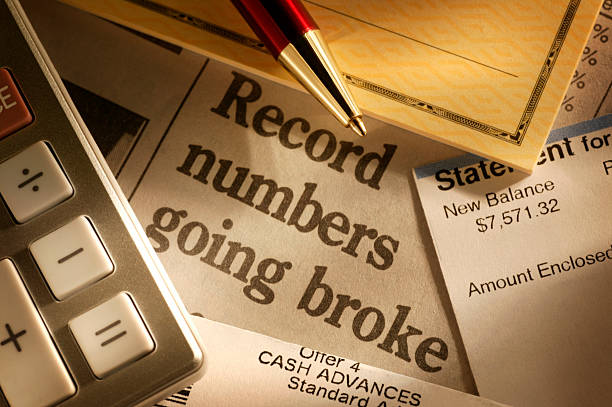
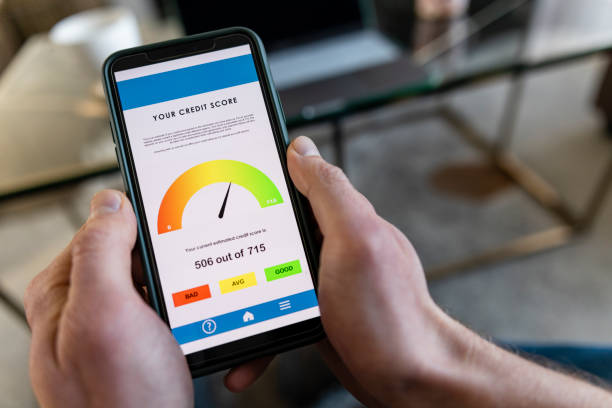
Getting a raise feels amazing. You worked hard, and finally the numbers on your paycheck look better. But here is the trap: more money can actually make your credit score worse. It sounds backwards, but it happens all the time. When people start earning more, they also start spending more. That silent shift is called lifestyle creep, and it can quietly turn a better paycheck into a pile of debt.Lifestyle creep is when your spending rises to match your new income. You move to a more expensive apartment. You buy a nicer car. You start ordering takeout every night because cooking feels like a chore now. Each decision seems reasonable by itself. But together, they eat up your raise. And when your spending is just a little too high for your paycheck, you start relying on credit cards to cover the gap. That is where your credit score pays the price.Here is how it works. Your credit score is mostly based on two things: paying bills on time and how much of your available credit you are using. The second part, called utilization, is just the percentage of your credit card limit that you carry as a balance each month. If your limit is $5,000 and you owe $1,500, that is 30% utilization. Higher utilization tells lenders you are stretched thin, so your score drops. More income does not automatically lower that percentage. In fact, a raise can push it higher if you let your spending grow.Imagine you go from $45,000 to $60,000 a year. You think you deserve a nicer apartment, so rent goes up $400 a month. You also want a newer car because the old one is embarrassing in the parking lot. The car payment is $350 a month. Suddenly your rent and car eat most of the raise. Then you need furniture for the new place, so you put it on a credit card. Then there are nights out, new clothes, and a vacation that is definitely worth it after working so hard. By the end of the year, you owe $6,000 on that credit card. The minimum payment is affordable, but your utilization is high. Your credit score drops, and lenders start seeing you as risky.The crazy part is that your income went up. But lenders do not care how much you make. They care whether your spending habits show you can handle money. If your credit report shows growing balances and late payments, a higher salary does not matter. It can even make things worse because many people assume they are fine just because they make more. They stop checking their account balances. They stop making a budget. Then one surprise expense, like a flat tire or a medical bill, pushes them into a cycle of debt.The way out is to treat a raise as a tool, not a reward. Before you spend an extra dollar from your new paycheck, decide where that money will go. The best move is to put part of your raise directly into savings or debt payments. You do not have to make a complex plan. You can simply set up automatic transfers so the money leaves your checking account the day you get paid. If the money is gone, you cannot spend it.Another helpful rule is to wait ninety days before making any big purchase after a raise. This gives you time to adjust and realize that you can be happy with the same apartment and the same car for a little longer. When you do upgrade, pay for it with cash or keep the payments so low that they do not force you to use credit cards for everyday expenses.You also need to stop using credit cards as a way to buy things you cannot afford in the moment. A credit card is not extra money. It is a short-term loan that you must pay back. If you cannot pay the full statement balance by the due date, do not buy the thing. This one mindset shift will protect your credit more than almost anything else.Finally, keep your old budget alive for a year. Do not suddenly start spending more just because you have a bigger number in your bank account. Give yourself a small and planned increase for fun, but let the rest go to savings, debt, and building an emergency fund. That way, when something unexpected happens, you have money to handle it without pulling out a card.A raise is a chance to build a stronger future. If you avoid lifestyle creep and keep your debt in check, your credit score will grow right alongside your income. If you let your spending run ahead of you, your paycheck might get bigger while your financial life gets worse. Choose the first path. Your future self, and your credit score, will thank you.No, checking your own credit score does NOT hurt it. This is called a “soft inquiry,“ and it has zero impact. It’s smart and responsible to check on your own information. What can cause a small, temporary dip is a “hard inquiry,“ which happens when a lender checks your report because you applied for a new loan or credit card. So, feel free to monitor your own score as much as you want—it’s a great habit that shows you’re paying attention.
A credit repair company can review your credit reports for mistakes. They can help you write letters to dispute errors with the credit bureaus. They can also give you advice on how to build better credit habits. However, they cannot do anything you cannot do for yourself for free. They cannot lie about your information or create a new “credit identity” for you. Their main job is to guide you through the process of fixing errors.
The biggest mistake is giving up and letting more payments become late. One late payment is a problem; a pattern of them is a disaster for your score. Don’t ignore it! Instead, get current and stay current. Set up automatic payments or calendar reminders for all your bills. Your consistent, on-time payments from this point forward are the most powerful tool you have to rebuild your score after a slip-up.
Yes, it can make things more difficult, but it doesn’t have to stop your plans. If you apply for a big loan together, like a mortgage, lenders will look at both credit scores. A low score from one partner can mean a higher interest rate or even a denial. The best move is to work on building both scores together. The partner with better credit might need to apply alone for some things at first, while the other focuses on paying down debt and making on-time payments to improve their score.
Sometimes the bank might close it due to inactivity. If this happens, don’t panic. Your score might dip, but the account will stay on your credit report for up to 10 years, still helping your history length. Focus on using your other cards responsibly. Make all payments on time and keep balances low. Your score will recover over time. The lesson is to always use your old card a little to prevent this.