

6 months 1 weeks ago
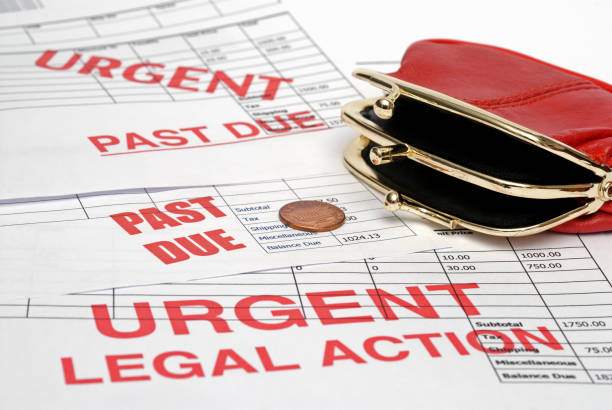
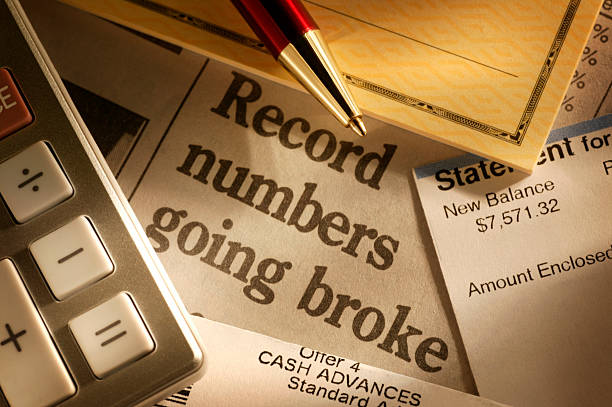
Losing your job is stressful enough on its own. But when you’re also worried about paying rent, buying groceries, and keeping the lights on, your credit score might be the last thing on your mind. That’s a mistake. Your credit score is the financial report card that lenders, landlords, and even some employers look at. If you make the wrong moves during a stretch of unemployment, you could be digging a hole that takes years to climb out of. The good news is that a job loss doesn’t have to wreck your credit if you know what to avoid and how to respond.The first thing to understand is that losing your job itself does not directly hurt your credit. Credit scores are based on what you do with money, not how you earn it. Your score goes down when you miss payments, max out cards, or default on loans. So the real danger is how you react to the income gap. Many people panic and start using credit cards for everyday expenses like gas and food, telling themselves they’ll pay it off once they find a new job. That can work for a short time, but it usually backfires. If you put two thousand dollars on a card with a five thousand dollar limit, your credit utilization – the amount of credit you’re using compared to what you have available – jumps way up. That single move can drop your score by fifty points or more, because high utilization is one of the biggest factors in your credit score. And if you can’t pay more than the minimum each month, the interest adds up fast, leaving you with a bigger bill than you ever expected.Missing payments is the other big trap. When money is tight, the first bills people skip are often credit cards, store cards, or personal loans. But even a single late payment can stay on your credit report for seven years. One thirty-day late payment can knock a good score down by a hundred points. A sixty-day or ninety-day late payment is even worse. Before you decide to let a bill slide, think about which payments matter most. Your mortgage or rent should always come first because keeping a roof over your head is essential. Your car payment is next if you need that car to get to job interviews. Credit cards and personal loans are important, but they’re not as urgent. If you’re truly unable to make a payment, call the company before the due date. Many lenders have hardship programs that can lower your payment, temporarily pause it, or lower your interest rate. They’d rather work with you than have you default, so don’t be embarrassed to ask.Another mistake people make during a job loss is taking out a payday loan or a title loan. These might feel like a quick fix, but they come with insane interest rates – often three hundred percent or more – and the repayment terms are brutal. If you can’t pay back a payday loan on time, the lender can drain your bank account or renew the loan with new fees, leaving you worse off than before. A better option is a small personal loan from a credit union or an online lender with a reasonable rate, but only if you’re sure you can handle the monthly payments. Even better, look into local assistance programs, food banks, or unemployment benefits. Your credit score doesn’t matter if you’re starving or homeless.You also need to watch out for balance transfers and “0% APR” offers. When you’re out of work, moving a balance to a new card might seem smart because it stops interest for a while. But those offers usually come with a fee of three to five percent of the amount you transfer, and they require a credit limit high enough to carry the balance. If you miss a payment, the promotional rate evaporates and you’re hit with the regular APR, which can be twenty-five percent or more. Plus, opening a new card creates a hard inquiry on your credit report, which can slightly lower your score. In a tight spot, a balance transfer just adds complexity and risk.What you should do instead is be proactive. Contact all your creditors as soon as you know you’re losing your job. Explain your situation and ask if they offer any relief. Many credit card issuers have programs specifically for customers facing hardship. They might reduce your interest rate, waive late fees, or let you skip a payment without marking it as late. Just make sure you get any agreement in writing so there’s no confusion later. Also, check your credit report for errors. You’re allowed a free copy from each of the three major bureaus once a year. During a job loss, an error on your report could cost you a new job opportunity or an apartment rental. If you spot a mistake, file a dispute with the bureau.Finally, keep your spending in check and build a bare-bones budget. Cut everything unnecessary – streaming services, dining out, new clothes. Track every dollar for the first few months. The less you spend, the less you need to borrow. And when you do land a new job, don’t immediately celebrate with a shopping spree or a fancy dinner. Use your first paychecks to rebuild your emergency fund and pay down any debt you added during the rough patch. Your credit score is a long game, not a sprint. A job loss is a bump in the road, not the end of the road. With careful planning and honest communication with your lenders, you can protect your credit and come out stronger on the other side.Yes, it can make things more difficult, but it doesn’t have to stop your plans. If you apply for a big loan together, like a mortgage, lenders will look at both credit scores. A low score from one partner can mean a higher interest rate or even a denial. The best move is to work on building both scores together. The partner with better credit might need to apply alone for some things at first, while the other focuses on paying down debt and making on-time payments to improve their score.
Yes, having a healthy mix of different credit types can help a little. This is called your “credit mix.“ It shows you can handle different kinds of payments. Think of it like having both a credit card (revolving credit) and a car loan or student loan (installment credit). But don’t go take out a loan just for this! Your payment history and credit card balances are much more important. A good mix is just the finishing touch on a strong score.
Stop the bleeding. Look at your credit reports for free at AnnualCreditReport.com and check for mistakes. Then, make a simple budget to see what bills you can reliably pay right now. Pick one or two small bills, like a phone bill or a low-limit credit card, and promise yourself to pay them on time, every single month. This starts building a new, positive track record immediately.
Treat your credit cards like tools, not extra money. Before you buy something, ask yourself if you can pay off the charge when the bill comes. A good rule is to only use a card for planned purchases or regular bills you already have money for. Try not to let your total balance on all cards get higher than what you have in your bank account ready to pay them off.
Don’t just write “Bill Due.“ Be specific so you know exactly what to do. A great alert looks like: “Credit Card Payment - $35 Minimum - Due Tomorrow.“ Include the company name, the amount you plan to pay (even if it’s just the minimum), and the due date. This way, when the alert pops up, you can take action immediately without having to go look up any extra details.