
1 month 2 weeks ago
Bad credit in your twenties can feel like a heavy backpack you didn’t ask to carry. Maybe you missed payments on a student loan, maxed out a starter card, or had an account go to collections during a rough patch. The good news is that your credit score is not a life sentence. It’s just a snapshot of your recent money habits, and you have more power to change it than you think. The most practical first step for many people is getting a secured credit card. It works like a regular card, but you put down a cash deposit upfront, usually between $200 and $500. That deposit becomes your credit limit. If something goes wrong, the bank keeps your deposit, so they’re not taking a big risk. For you, it’s a low pressure way to prove you can handle credit responsibly.Why start here? Because credit scores are built on behavior, not intentions. A secured card gives you a shot at developing good behavior without needing a spotless history or a high income. After a few months of regular, on-time payments, that behavior gets reported to the three major credit bureaus: Equifax, Experian, and TransUnion. Over time, your score starts to climb. The key is to use the card like you would a debit card, but even more carefully. Buy something small each month, like a tank of gas or a streaming subscription. Then pay the full statement balance before the due date. Never carry a balance from month to month if you can help it. Interest charges will eat you alive, and carrying a balance doesn’t help your credit score. Staying under 30% of your limit is a good rule, but going lower, like 10%, is even better for your score.A secured card is just the first tool in your toolbox. It’s not enough on its own. You also need to look at the rest of your financial picture. Pull your credit reports for free from annualcreditreport.com. You can check all three every week for free now, thanks to a temporary federal program that’s been extended. Read through them carefully. You might spot errors that are dragging your score down, like a late payment that was never late or an old account that should have been closed. Disputing those errors is straightforward. You file a claim online with the credit bureau, and they have to investigate. If they can’t verify the item, it gets removed. That alone can give your score a solid boost.Another major piece of recovery is making sure no new bad marks happen. That means paying every bill on time, not just credit cards. Rent, utilities, phone bills, and especially anything with a lender. A single 30-day late payment on a loan can knock a hundred points off your score because payment history is the biggest factor, weighing in at about 35%. Set up automatic payments or calendar reminders. Do whatever it takes to never be late again. Even one month of missed payments can set you back, but once you have a string of on-time payments, the score starts to rebuild month by month.It also helps to keep old credit accounts open. If you have an older credit card with a zero balance, don’t close it. The length of your credit history matters, and closing an old account shortens your average account age, which can hurt. For the same reason, avoid opening too many new accounts at once. Each hard inquiry, when a lender checks your credit, shaves a few points off your score. A couple of inquiries are fine, but a shopping spree of new cards looks risky to lenders. Focus on the secured card for now. Add one other type of credit later, like a small personal loan or a credit builder loan, once your score improves and you feel stable.Patience is the hardest part. Rebuilding credit is a marathon, not a sprint. Most negative items stay on your report for seven years, but their impact fades as they get older. A late payment from two years ago hurts much less than one from last month. And in your twenties, you have time on your side. Every good month pushes the bad ones further into the rearview mirror. By the time you hit thirty, you can have a perfectly respectable credit score, often above 700, if you stay consistent.One more thing: don’t obsess over the number every day. Check it once a month. Watch the trend. If it’s going up a few points here and there, you’re doing it right. Think of recovery as building muscle at the gym. You won’t see results in a week, but after six months of regular workouts, the change is obvious. Your credit is no different. Start with a secured card, use it responsibly, pay everything on time, and check your reports for errors. That’s the whole game. Stick to it, and the bad credit that feels so heavy now will become just a story you tell about how you turned things around.Yes, at least for now. Put them away in a drawer or even freeze them in a block of ice. The goal is to stop adding new debt while you’re paying off the old. If you keep using them, you’re just digging a deeper hole. You can focus on using your debit card or cash for everyday needs. Once your debt is under control, you can learn how to use credit cards wisely without getting into trouble again.
Absolutely, yes! You should check your credit reports for free at least once a year at AnnualCreditReport.com. This does not hurt your score. It lets you see what lenders see and spot any mistakes or signs of identity theft, like accounts you didn’t open. Fixing errors can quickly boost your score. It also helps you understand your own financial story. Knowing what’s on your report is the first step to taking control and improving it.
Most services can report a wide range of your regular bills. Common ones include your rent payment, electricity, gas, water, internet, cable, and even some streaming subscriptions like Netflix. The key is that these are bills you pay consistently each month. The service will connect to your bank account or billing accounts to verify your payments. They then translate that payment history into a format the credit bureaus accept.
It’s a free service your bank or credit card company provides to show you your credit score. Think of it like a report card for how you handle borrowed money. You can usually find it by logging into your bank’s website or mobile app. It’s often on your account dashboard or in a section called “financial tools” or “credit health.“ It’s a super easy way to keep an eye on your score without having to pay for it or hurt your score by checking.
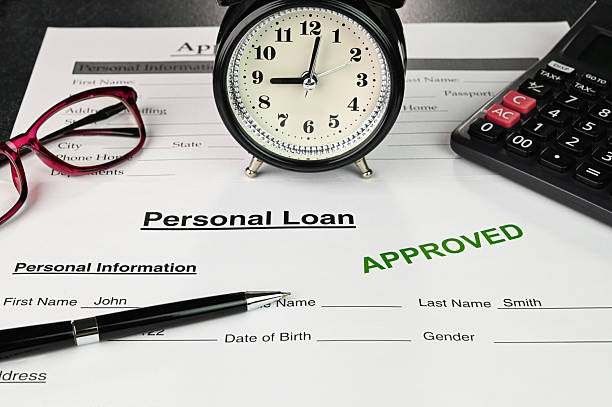
Yes! A small personal loan from your bank or credit union can work. You get the money upfront and pay it back in monthly installments. Making every payment on time builds great credit history. Just be sure you only borrow what you truly need and can afford to pay back. Another option is an auto loan, but that’s a much bigger commitment. The goal is to show you can handle borrowed money responsibly.