1 month 2 weeks ago
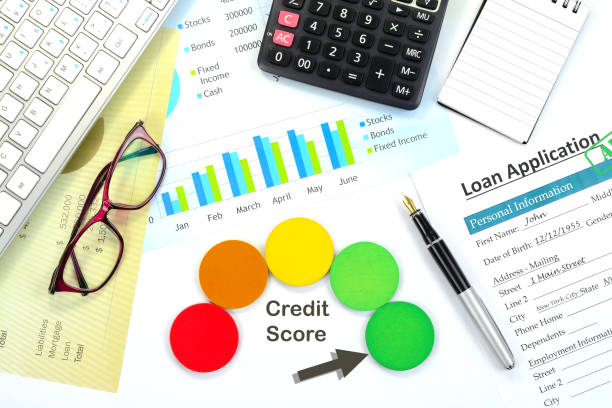
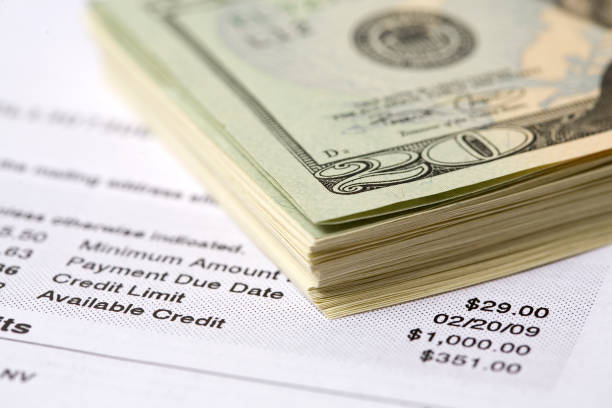
You do not need to sit your family down for a boring lecture about FICO scores or annual percentage rates. The best way to teach credit habits is to let your everyday money moves do the talking. That trip to the grocery store, the online order for school supplies, or the monthly payment on your car loan are all mini lessons waiting to happen. If you have kids, younger siblings, or even a partner who never learned this stuff, you can turn ordinary errands into real-world credit education without anyone feeling like they are back in math class.Start with the simplest thing: the credit card swipe at checkout. When you use plastic to buy milk and cereal, explain that you are not spending your own money right that second. You are borrowing from the card company for a few weeks. Then, when the bill comes, you pay it off in full. That shows what responsible borrowing looks like. Even a young child can understand the idea of borrowing a toy and giving it back on time. The same logic applies to credit. If you only pay the minimum, you are keeping that toy longer and paying a rental fee. If you pay the whole balance, you get to keep your money and your good standing.Another powerful lesson is the due date. Kids see due dates for library books or permission slips. Connecting that to a credit card bill makes it click. You can show them the app on your phone where the payment is scheduled. Talk about what happens if you miss the date. Late fees, higher interest, and a ding on your credit report. That report is like a permanent report card for grownups. Every time you pay on time, you get a good mark. Every time you miss, it stays on your record for years. That is a simple but crucial idea. Many adults do not even realize how long negative marks linger. Teaching this early saves your family from expensive mistakes later.Do not forget the invisible part of credit: the credit report itself. When you are checking your own credit report for accuracy, let your family see you doing it. Explain that this is a health check for your financial life. You are looking for errors, like an account you never opened or a payment marked late when it was not. Show them that you can get a free report once a week from the major bureaus right now. That might sound like a lot, but the point is to make checking your credit as normal as brushing your teeth. If your kids grow up seeing you review your report while they eat breakfast, they will do the same when they are adults.For teens or young adults in your family, you can go deeper. Let them help you track a subscription or a small bill. Have them watch you set up autopay and then verify the payment went through. That teaches the habit of monitoring, not just setting and forgetting. You can also talk about utilization, which is a fancy way of saying do not max out your cards. Use a visual example: if your credit limit is one hundred dollars and you spend twenty, you are using twenty percent. Keeping that number low makes you look less risky to lenders. Explain that credit cards are not free money. They are tools, like a hammer. You can build a house with a hammer, or you can smash your thumb. The tool is not bad. It is all about how you use it.What about mistakes? If you have ever messed up your credit, that is a teaching moment too. You do not need to confess every detail, but you can say something like, “I learned the hard way that missing a payment changes a lot.” That honesty sticks. Your family will remember that even the adults who seem to know everything have made errors. The key is bouncing back. Show them how you are rebuilding, whether that means paying down debt or setting reminders. That resilience is part of good credit habits. It is not about being perfect. It is about having the skills to recover.You can also turn family goals into credit lessons. Saving for a vacation or a new gaming console? Talk about how keeping your credit healthy means you can get a loan for a car or a house later. That connects the boring details to something they actually want. A teenager dreaming of their first apartment needs to know that landlords check credit. A twelve-year-old who wants to buy a used car someday needs to know that the interest rate depends on their credit score. Make it about their future, not just your rules. That turns the lesson from a chore into a motivation.Finally, remember that your own calm and consistency matters more than any single conversation. Kids and young adults are always watching. If you pay your bills on time, if you check your score without panic, if you talk about money without shame, they absorb that. Credit does not have to be a mystery or a source of stress. You can make it feel as normal as checking the weather. The more you weave credit awareness into daily life, the less intimidating it becomes. Start small. Let the grocery store checkout be your classroom. Your family will grow up with habits that do not require thought, because they will have seen you live them every day.The biggest things that hurt your score are paying bills late and borrowing too much money. If you max out your credit cards or are constantly late on payments, your score will drop. Other negatives include having too many new credit applications in a short time, defaulting on loans, or having accounts sent to collections. These actions signal to lenders that you might be a risky person to lend money to.
A secured loan can help your credit score by showing you can handle debt responsibly. When you make every payment on time and in full, that positive activity gets reported to the credit bureaus. This builds a strong payment history, which is the biggest factor in your credit score. Think of it as practice with training wheels—the loan is safer for the lender because of your collateral, and you get a chance to prove you’re trustworthy with credit, which helps your score grow over time.
Yes, absolutely. Lenders look at your full credit report, not just the number. They check your payment history to see if you pay bills on time. They look at how much debt you have compared to your credit limits. They also see how long you’ve had credit and if you’ve applied for lots of new loans recently. They want a complete picture of your financial habits to make sure you can handle a big mortgage payment every month.
Your credit score is like a grade for your borrowing history. A high score tells the lender you’re a safe bet, so they reward you with a lower interest rate. A lower score makes you look riskier, so they charge a higher rate to protect themselves. Think of it this way: a great score could save you tens of thousands of dollars over the life of your loan just by getting a better rate. It’s the single biggest reason to build your credit before you apply.
The easiest way is often through a credit-builder loan. You don’t get the money upfront. Instead, you make small monthly payments into a savings account at a bank or credit union. After you finish all the payments, you get the money back, plus you’ve built a positive payment history! It’s a safe, simple tool designed just for people starting out. You prove you can make on-time payments, which is the biggest factor in your credit score.