
1 month 2 weeks ago
You get a raise, a promotion, or a side hustle that finally pays off. It feels great. For the first week, you think about all the things you can now afford. That’s natural. But what happens next can quietly wreck your credit score.Lifestyle creep is when your spending goes up as your income goes up. You don’t plan it. It just happens. You start ordering delivery more often, buy a nicer car, move to a pricier apartment, or sign up for streaming services you barely watch. None of those choices feel crazy at the time. Together, they can eat up your entire raise and then some.The danger is not just that you run out of money. The bigger danger is how you make up the difference. Many people in their twenties and thirties turn to credit cards when their new lifestyle costs more than their new paycheck. A few purchases here and there become a balance that keeps growing. You tell yourself you’ll pay it off next month. Then next month has car insurance, a wedding, or a root canal. The balance carries over. Interest starts to pile on. Before long, you’re only making minimum payments, and your credit card debt looks like a second rent.This hurts your credit in several ways. First, your credit utilization ratio goes up. That’s the amount you owe compared to your credit limits. Lenders see a high ratio as a sign that you’re stretched thin. Even if you pay on time every month, a maxed-out card can drag your score down. Second, if you miss a payment because you’re juggling too many bills, that late mark stays on your credit history for seven years. One slip can make it harder to get approved for an apartment, a car loan, or even some jobs. The lifestyle you wanted to enjoy can end up closing doors.The good news is that you can enjoy your raise without wrecking your future. You just need a plan before the money hits your account.Start by deciding what actually makes you happier. Maybe a better mattress, a gym membership you’ll use, or a weekend trip with friends brings real joy. A bigger apartment and a leased luxury SUV might not. When your income goes up, write down the one or two upgrades that matter most. Give yourself permission to spend on those. Leave everything else the same for at least three months.Next, automate your savings and debt payments. Set up direct deposit so a chunk of every paycheck goes to savings before you can spend it. If you have credit card debt, set up an automatic monthly payment that’s more than the minimum. Even a fixed amount like $100 extra each month makes a big dent. When the money never hits your checking account, you won’t miss it. This is the oldest trick in the book, and it works.Also, give your credit card a single job. Use it for groceries, gas, and recurring bills you already budget for. Pay the statement balance in full by the due date. If you can’t do that yet, stop using the card until you’ve paid off what you owe. That sounds harsh, but it’s better than paying 20% interest on pizza you ate three months ago.Another useful trick is to wait 48 hours before any non-essential purchase over a certain amount, like $100. This kills the impulse to celebrate your raise with stuff you don’t need. You’ll be surprised how many “must-haves” fade after two days.Finally, give yourself a raise, not a lifestyle change. Take a percentage of your new income and split it between savings and extra debt payments. Do this the day you get the increase. You’ll still have more money in your pocket than before. You just won’t let your spending run ahead of your income.Lifestyle creep doesn’t have to be the reason you fall into debt. You can enjoy your success and build strong credit at the same time. The key is to slow down, make intentional choices, and let your credit score reflect the responsible person you’re becoming. A raise is a chance to build a better life, not a bigger bill.You should use one to get credit for bills you already pay. Think about it: you pay your phone and rent on time every month, but that good history is invisible to your credit score. A reporting service makes those payments count. This is especially helpful if you have a thin credit file or are just starting out. It’s a simple way to add more good payment history without taking on a new loan or credit card.
Having a car loan helps your “credit mix,“ which is good for your score. Lenders like to see that you can handle different types of credit responsibly. A car loan is an “installment loan” (you pay a set amount each month), while a credit card is “revolving credit” (your balance can go up and down). Managing both types well shows you are a skilled and trustworthy borrower, which can boost your score.
Get a starter credit card, like a secured card where you put down a small deposit. Use it only for one small thing you already buy, like gas or a streaming service. Pay the full balance on time, every single month. This shows lenders you can handle credit responsibly. It’s a simple, low-risk habit that builds your score steadily over time.
Tracking your credit is like checking the score in a game you’re playing. You can’t win if you don’t know the score! By watching it over time, you can see what helps your score go up and what makes it go down. This helps you make smarter choices, like paying bills on time. It also lets you catch mistakes or problems early, before they can cause bigger trouble when you want to get a car loan or a credit card.
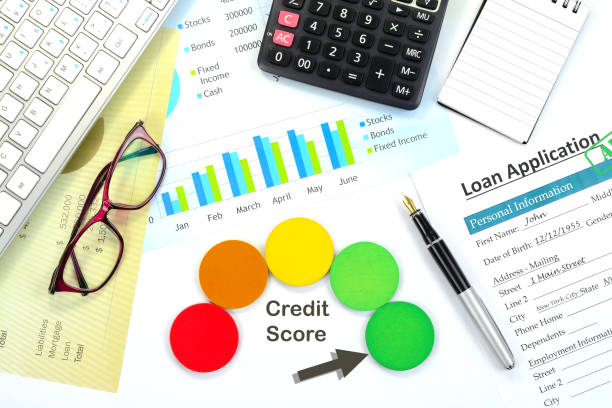
Your credit score is like a report card for your money habits that lenders check. A good score means you can borrow money easier and cheaper. It helps you get approved for apartments, car loans, and even some jobs. Think of it as building a good money reputation now so future-you can get better deals and have more choices when you want to make big life moves.