
1 week 1 day ago
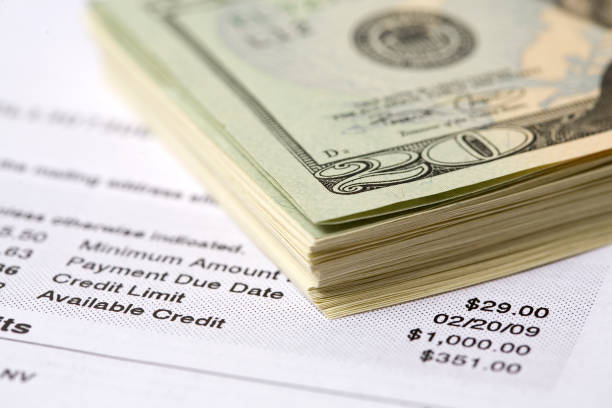
Most people think building credit takes big moves. They imagine huge payments or some secret trick. In reality, strong credit comes from small habits repeated for years. One of the most powerful is a five-minute monthly credit check. It sounds boring. That is why it works. Your credit score follows you for decades. A mistake you catch today can save you thousands later. A mistake you miss can become a late payment, a fraud account, or a denied loan.Start with your bank and credit card accounts. Look at every charge. If you see something you do not recognize, call right away. Check balances and due dates. Make sure no payment is about to be missed. Autopay helps, but it is not perfect. A card can expire, a bank account can change, or a payment can fail. If you catch it before the due date, you can fix it. If you wait until thirty days late, it can be reported. That late payment can stay on your report for seven years. That is a long time for a mistake that takes five minutes to spot.Next, check credit card balances compared with limits. This is called credit utilization. If you charge close to your limit, your score can drop even when you pay on time. Aim to keep the balance reported to the bureaus below thirty percent of your limit. Below ten percent is even better. For example, if your limit is one thousand dollars, try to keep the reported balance under three hundred dollars. Under one hundred dollars is stronger. Many issuers report your statement balance, so paying before the statement closes can help. A monthly check lets you see what is about to be reported. If you spent more than usual, make an extra payment before the statement date. That one move can protect your score.Then look at your credit reports. You can get free reports from the three major credit bureaus. Read them closely. Look for wrong personal information, accounts you did not open, late payments you did not make, and collections that should not be there. These errors can hurt your score and your chances of getting a loan, an apartment, or a credit card. They can also be a sign of identity theft. The sooner you find a problem, the sooner you can dispute it. Disputes take time, but they are easier when you have clean records. A monthly check gives you that advantage.To make this habit last, pick a day and stick with it. Maybe the first Sunday of the month. Maybe payday. Maybe the day after your statement closes. Set a reminder on your phone. Make it part of a routine you already have, like drinking coffee or planning your budget. The whole check should take five minutes. If everything looks fine, close the apps and move on. If something looks wrong, take one action. Pay a balance. Call a bank. File a dispute. Set an alert. The goal is not to obsess over your score. The goal is to stay in control.This habit matters for decades because life keeps changing. You might change jobs, move, go back to school, get married, have kids, or buy a home. Each step may require someone to look at your credit. Your report is like a financial report card. It shows how you handle borrowed money. Good habits stack up. On-time payments build history. Low balances show you are not stretched too thin. Older accounts help because they show experience. A monthly check keeps you from being surprised at the worst moment. A higher interest rate on a car loan can cost thousands. A denied apartment can change where you live. Five minutes a month can prevent years of stress.Keep the habit simple. Once a month, review your accounts, balances, and reports. Fix one thing if needed. Then go live your life. This routine will not make headlines, but it will make your future easier. Over decades, those five minutes add up to better rates, more choices, and less stress. That is what strong credit is really about. Start this month. Pick a day. Set a reminder. Your future self will thank you.Even being a little late can hurt. Most companies report late payments to credit bureaus after 30 days past the due date. However, you might still get hit with a late fee from the company itself. Life happens, so if you miss a date, pay it immediately. Then, call the company, explain, and ask if they can waive the fee as a one-time courtesy.
You can get your report for free, once a year, from each of the three major credit bureaus. Just go to AnnualCreditReport.com. That’s the only official free site. You can request reports from Equifax, Experian, and TransUnion. It’s smart to check all three because they might have different information. Review them carefully for any details that look wrong or unfamiliar.
When you pay more, you lower your balance faster. Credit bureaus see that you’re using less of your available credit, which makes you look responsible. A lower balance compared to your limit (called credit utilization) can quickly boost your score. It shows lenders you’re not maxed out and you’re serious about managing your money well.
Absolutely! This trick works for every single bill you have. Use it for your car payment, your student loan, your phone bill, and even your rent. You can also use it for important non-bill dates, like when you plan to check your credit report for free every year. Treating all your financial deadlines the same way builds a powerful, simple habit that keeps your entire money life organized.
No, they’re super easy! You can set them up in just a few minutes. Log into your bank or credit card company’s website or mobile app. Look for a section called “Alerts,“ “Notifications,“ or “Account Settings.“ From there, you can usually just check boxes for the alerts you want, like “large purchases” or “payment reminders.“ Choose if you want them by text, email, or app notification. It’s a simple setup that does a huge job of protecting you.