1 month 2 weeks ago
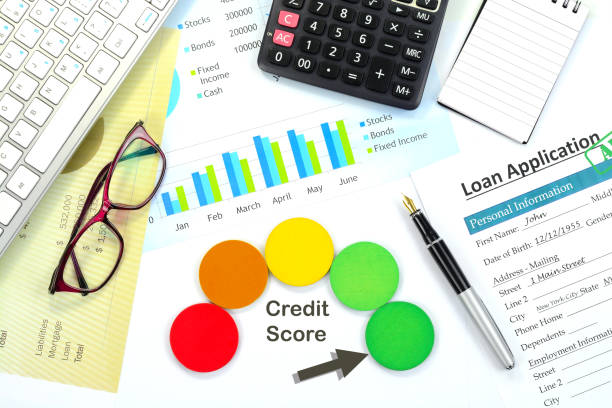
You probably have more than one credit card in your wallet right now. Maybe you’ve got a cash back card for groceries, a travel card for flights, and an old starter card you never use but keep around for emergencies. That’s not a bad thing. Using multiple cards can actually help your credit score, but only if you manage them the right way. The key is staying organized and avoiding the traps that lead to debt.Credit scoring systems like to see that you can handle different accounts responsibly. When you have several cards, you end up with more available credit. That’s a good thing because it can lower your overall credit utilization rate. Utilization is just a fancy way of saying how much of your available credit you’re using. If you have ten thousand dollars in total credit limits and you owe two thousand, your utilization is twenty percent. Keeping that number under thirty percent is a solid rule. More cards mean more available credit, which makes it easier to keep that percentage low.The real danger with multiple cards is losing track. Different due dates, different apps, small balances that quietly grow. One missed payment can hurt your score for years. So the first thing you need to do is set up autopay for at least the minimum payment on every card. If you can, autopay the full statement balance each month. That way you never pay interest and you never miss a due date. This one step removes most of the stress.Another smart move is to give each card a specific job. Use one card strictly for gas, another for streaming services, and another for eating out. This makes it easier to spot weird charges, plus you’ll know which card gives you the best rewards for each purchase. Just don’t let those rewards tempt you into spending more than you normally would. A cash back offer is not a reason to buy something you didn’t plan for.Your oldest credit card matters more than you think. It shows lenders how long you’ve been handling credit, so don’t close it out just because you have newer cards with better perks. Instead, put one small recurring charge on it, like your Netflix subscription or a monthly phone bill, and set that card to autopay. That keeps it active without you ever having to think about it.Be careful about applying for too many cards at once. Every time you apply, the lender makes a hard inquiry on your credit report. That can dip your score by a few points for a couple of months. If you’re planning to get a new card, space things out. Wait at least six months between applications. This gives your score time to recover and also shows lenders that you’re not desperate for credit.Staying on top of multiple cards means tracking your spending. You don’t need a fancy app or a spreadsheet with color coding. Just check your card balances online or through your banking app once a week. That’s enough to keep you aware of what’s on each card. It also helps you catch fraud early, because you’ll notice any charge you didn’t make. A quick weekly check takes two minutes and saves you a lot of headaches.If you have a rough month and end up carrying a balance, don’t panic. It happens. The important thing is to focus on paying off the card with the highest interest rate first while making minimum payments on the others. Once that card is paid down, move to the next highest. This is called the debt avalanche method. You can also pay off the smallest balance first for a quick win, which helps you stay motivated. Either way, avoid adding new charges to cards you’re trying to pay down.Having multiple cards also improves your credit mix. Credit scoring looks at whether you handle different types of loans, like installment loans and revolving credit. Credit cards are revolving accounts. Having a few of them shows lenders you know how to manage that kind of borrowing. But you don’t need more than five cards. For most people, three to five is plenty. Anything beyond that gets hard to manage without real benefit.The bottom line is that multiple credit cards are a tool, not free money. The best way to use them is to pay off your balance in full every single month. If you can’t do that, you’re paying interest, and no rewards program makes up for that. If you’re struggling with spending, go down to one card until you get things under control. Then you can add more as you build better habits.Managing multiple cards comes down to being organized and disciplined. Set up autopay, give each card a purpose, keep your oldest account open, and check your balances weekly. Watch your credit utilization and don’t apply for new cards too quickly. With a little attention, you can handle several cards without stress. And over time, that responsible behavior will show up in your credit score, opening doors for better loans, lower rates, and more financial freedom.Don’t wait! Call your bank or card company immediately. The phone number is usually on their website or on your statement. The faster you report it, the less money you might be responsible for. They will cancel your old card and send you a new one with a new number. Always check your statements or app regularly to catch any strange charges early.
The biggest mistake is giving up and letting more payments become late. One late payment is a problem; a pattern of them is a disaster for your score. Don’t ignore it! Instead, get current and stay current. Set up automatic payments or calendar reminders for all your bills. Your consistent, on-time payments from this point forward are the most powerful tool you have to rebuild your score after a slip-up.
Many major banks and credit card companies now offer free score tracking to their customers. Check your bank’s app or website in the “benefits” or “credit score” section. Companies like Discover, Capital One, and Bank of America provide this for free, even if you don’t have their credit card. It’s an easy, no-extra-work way to keep an eye on things.
Be very careful. Many companies promise quick fixes but charge high fees for things you can do yourself for free, like disputing errors. No one can legally remove accurate negative information from your report. You are your own best advocate. Use free resources and do the work yourself. It takes time, but you can rebuild your credit without paying a company.
The best ways to build a good score are simple, steady habits. Always pay every bill on time, every single month. Try to keep your credit card balances low compared to your limits. Only apply for new credit when you really need it. Let your older accounts stay open to show a long history. Doing these things consistently over time is the surest path to a strong, healthy credit score.