1 month 2 weeks ago
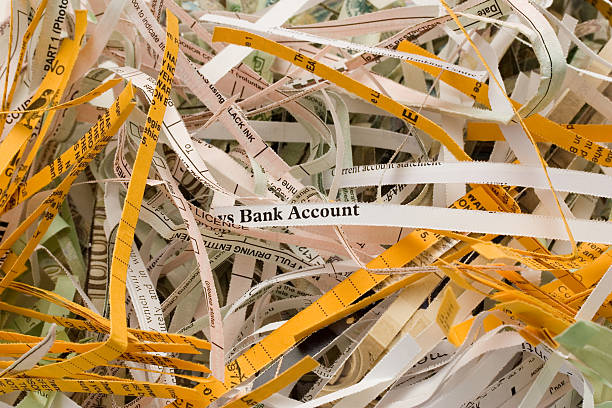
You probably think of your trash can as nothing more than a smelly bin full of banana peels and old pizza boxes. But to a certain kind of criminal, that same trash can is a treasure chest. Credit card fraud isn’t always about hackers breaking into massive databases or shady websites stealing your number in some high-tech heist. Sometimes it’s as simple as someone pulling your credit card statement out of the garbage on a quiet Tuesday night. That’s called dumpster diving, and it’s been around longer than the internet. It still works today because people still throw away documents that have everything a thief needs to clean out your card or even open new accounts in your name.Think about what lands in your trash without a second thought. That credit card bill you paid and then tossed? It has your full account number, your billing address, often the last few transactions you made, and the payment due date. A thief who finds that can go online and try to use your card for purchases. They might call your card issuer, pretend to be you, and ask for a new card to be sent to a different address. Or they could combine that statement with a few other pieces of info gleaned from your junk mail to build a surprisingly complete picture of your identity. Pre-approved credit card offers are just as dangerous. You throw those away because you don’t want another card, but a criminal can fill out the application with your name, your Social Security number, and their own address. Congratulations, you now have a credit card you never knew existed, and the bills go to some stranger who is racking up debt in your name.That’s why shredding isn’t just a boring chore your parents did once a year. It’s a frontline defense for your credit score. You need to shred anything that has your name, address, account numbers, or any part of your Social Security number. That includes credit card statements, bank statements, utility bills, medical bills, and those annoying pre-approval letters. You don’t need an expensive heavy-duty shredder. A basic cross-cut shredder from any office supply store is fine. Cross-cut is better than strip-cut because it turns paper into confetti that’s nearly impossible to piece back together. If you don’t feel like buying a shredder, look for community shredding events or local services that take sensitive paper. Some credit unions and banks even offer free shredding days.But here’s the thing: going paperless doesn’t automatically make you safe. When you switch to electronic statements, you stop throwing away physical paper, but you still have your phone and your computer to worry about. That’s a different kind of trash, but it’s still a risk. If you leave your credit card statement open in a browser tab and someone grabs your phone, that’s on you. If you never log out of your bank app on a shared tablet, that’s a problem. So the real lesson here is to think about where your sensitive information lives. Whether it’s paper in a trash can or a file on your laptop, if it’s not locked down, it’s a target.There are a few extra steps worth taking beyond shredding. First, reduce the amount of mail you get. You can opt out of pre-approved credit card offers by calling a toll-free number like 1-888-5-OPTOUT or visiting the official opt-out website. That kills the junk that’s most likely to be used for fraud. Second, if you have credit cards you never use, don’t just leave them sitting in a drawer. Cut them up or call the issuer to close the account. A discarded intact card in your trash is a gift to a smart thief. Third, review your credit report regularly. You’re entitled to a free report from each of the three major bureaus once a year through AnnualCreditReport.com. That’s the only official source, so don’t get fooled by lookalike sites. When you read your report, look for any accounts or inquiries you don’t recognize. That could be the first sign that someone used your shredded documents against you anyway.Finally, consider a credit freeze. It’s free, it won’t hurt your score, and it blocks most new accounts from being opened in your name. You’ll have to lift the freeze temporarily if you ever apply for a credit card or loan yourself, but that’s a small price for peace of mind. A freeze doesn’t stop someone from using an existing card, but it stops them from taking out new credit in your name, which is often the most damaging and hardest to fix.Here’s the bottom line: your credit card security isn’t only about strong passwords and suspicious links. It starts with something as simple as what you throw away. If you’re not shredding your statements and junk mail, you’re leaving your financial front door unlocked. Take ten minutes today to sort through your old papers and set up a shredding habit. Your future self, and your credit score, will thank you.Good credit gives you financial power to help loved ones when they need it. You might co-sign a student loan for a grandchild with better terms because of your score. If a family member has an emergency, you could use a low-interest line of credit to assist them. Your strong credit history gives you the flexibility to be a financial helper without risking your own retirement security.
Most services can report a wide range of your regular bills. Common ones include your rent payment, electricity, gas, water, internet, cable, and even some streaming subscriptions like Netflix. The key is that these are bills you pay consistently each month. The service will connect to your bank account or billing accounts to verify your payments. They then translate that payment history into a format the credit bureaus accept.
You have powerful, free tools! By law, you can check your credit report for free every week at AnnualCreditReport.com. Look for accounts or inquiries you don’t recognize. Also, consider placing a free credit freeze with the three credit bureaus. This lock stops anyone from opening new credit in your name. You can temporarily lift the freeze when you need to apply for real credit yourself. Staying watchful is your best defense.
A late payment can stick around for a long time—up to seven years! Even though its impact lessens over time, it’s a serious mark on your report. The good news is, recent history matters most. So, if you start paying everything on time now, you can begin to heal your score. Think of it like a scrape: it leaves a scar, but it hurts less and less as it heals, especially if you take better care of yourself moving forward.
Yes, you should pay the missed amount as soon as you possibly can. But don’t stop there. When you make the payment, also ask about any late fees you were charged. Sometimes, if it’s your first time missing a payment, the company might be nice and remove that fee for you. It never hurts to ask politely. Getting your account current stops the problem from growing.