

4 months 3 weeks ago
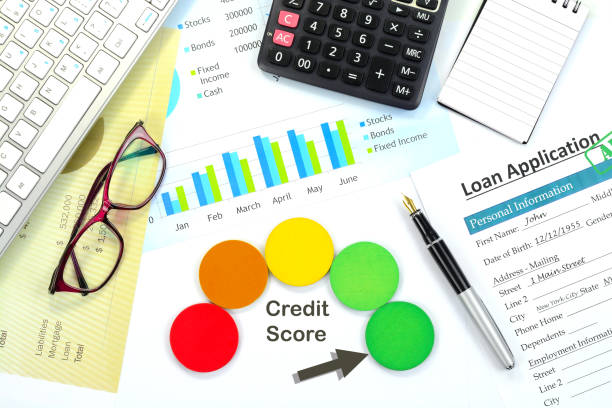
Your credit report is basically your financial report card for grown-ups. It tells lenders whether you pay your bills on time, how much debt you carry, and whether you’ve ever been sued or had a bankruptcy. One mistake on that report can cost you thousands of dollars in higher interest rates, or worse, get you turned down for an apartment, a car loan, or even a job. The frustrating part? Errors show up more often than you’d think. A study by the Federal Trade Commission found that one in five people had an error on at least one of their three major credit reports. That’s a lot of people paying more than they should for no good reason.The good news is you don’t need a lawyer or a credit repair company to fix this. You have the right to dispute any inaccurate information on your credit report, and the credit bureaus are legally required to investigate your claim. Thanks to modern tools, the whole process can be done online in about fifteen minutes. Here’s how to do it right, step by step, without getting bogged down in confusing terms or paperwork.First, you need to know what’s actually on your report. You can get a free copy of your report from each of the three major bureaus — Equifax, Experian, and TransUnion — once every twelve months through AnnualCreditReport.com. That’s the only officially authorized source for free reports. Go there, request all three, and read every line. Look for accounts you don’t recognize, payments that were reported late when you paid on time, balances that are wrong, or accounts that say you owe more than you actually do. Also check your personal information like your name, address, and Social Security number. Even a typo in your birth year can mess things up if it gets linked to someone else’s credit history.Once you spot an error, you have two options. You can file a dispute directly with the credit bureau that’s showing the mistake, or you can contact the company that provided the information — that’s called the furnisher. The fastest and easiest route is to use the online dispute tool on the bureau’s website. Each bureau has a simple form where you select the account, explain what’s wrong, and submit any supporting documents like a payment confirmation or a letter from the lender. This creates a digital trail, which is great if you need to follow up later.When you’re writing your explanation, be clear and specific. Don’t write a novel. Just say something like “This account was paid in full on March 15, 2023” or “This credit card is not mine, I have never opened an account with this company.“ Attach any proof you have. Screenshots of bank statements, emails from the company you paid, or a copy of a canceled check all work. If you don’t have proof, don’t panic. The law still requires the bureau to investigate, and the burden of proof is actually on the company that reported the information. If they can’t verify it’s accurate, the bureau has to remove it.Here’s the part people often mess up. You might think you need to dispute with all three bureaus at once. But you only need to dispute with the bureau that’s showing the error. That’s because each bureau gets its information independently. If you find the same mistake on all three reports, you’ll need to file separate disputes with each one. The online tools make this easy, but just know that the bureaus don’t share disputes with each other. You have to take a few extra minutes to hit all three.After you submit your dispute, the bureau has thirty days to investigate, though it can take up to forty-five days in certain situations. During that time, they’ll contact the company that reported the info and ask them to prove it’s correct. If the company doesn’t respond or can’t verify, the error gets deleted. If they do verify, you’ll get a letter explaining that the item stays. That’s not the end of the road. If you disagree with the outcome, you can file a new dispute with additional evidence, or you can add a short statement to your credit report explaining your side. Lenders have to look at that statement when they review your file.The biggest mistake people make is skipping the follow-up. After the investigation, always check your report again to make sure the change actually happened. Sometimes a bureau removes an error, but a few months later it shows back up because the original company resubmitted the bad information. That’s why you should keep copies of everything and set a reminder to check your report every few months. Also, remember that disputing errors is not the same as paying off a legitimate debt. If the information is truly yours and accurate, no dispute tool will help. The only fix there is time or negotiating with the lender.Using the dispute tools is honestly one of the most underrated ways to protect your credit score. You don’t need to hire anyone or pay a monthly fee. Just get your free reports, read them carefully, and use the online forms when something looks off. A few minutes of work today could save you hundreds of dollars in interest over the next year. That’s a pretty good deal for something you have every right to do.Think of your credit score as a school grade for how you handle borrowed money. It’s a three-digit number, usually between 300 and 850, that lenders check before they decide to give you a loan or credit card. A high score tells them you’re reliable and pay bills on time. This can help you get approved easier and get better deals, like lower interest rates, which saves you a lot of money over time. In short, a good score opens doors and saves you cash.
Yes, you should pay the missed amount as soon as you possibly can. But don’t stop there. When you make the payment, also ask about any late fees you were charged. Sometimes, if it’s your first time missing a payment, the company might be nice and remove that fee for you. It never hurts to ask politely. Getting your account current stops the problem from growing.
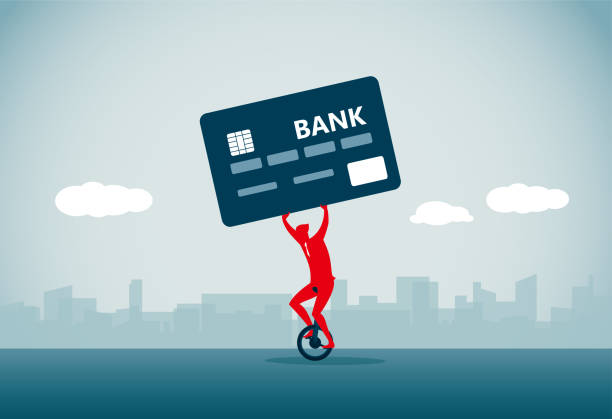
Stop and take a deep breath. The first step is to know exactly what you owe. Make a simple list of all your debts. Write down who you owe, the total amount, and the minimum monthly payment. Seeing it all in one place takes away the scary unknown. You can’t make a plan until you know what you’re dealing with. This list is your starting point, and it’s a powerful tool to help you feel back in control.
Knowing your limit helps you make a smart spending plan. If you don’t know your limit, it’s easy to accidentally spend too much and get hit with fees or a higher interest rate. It also keeps you in control of your finances, so you’re not surprised by your bill. This knowledge is a simple tool that helps you build good credit instead of damaging it.
Banks can sometimes change the terms of your card, like raising your APR or adding new fees. They must notify you in writing before they do this. A higher APR means future balances will cost you more in interest. A new fee adds an extra cost. If you get a notice about changes, read it carefully. You can usually choose to close your account if you don’t agree with the new terms.