today
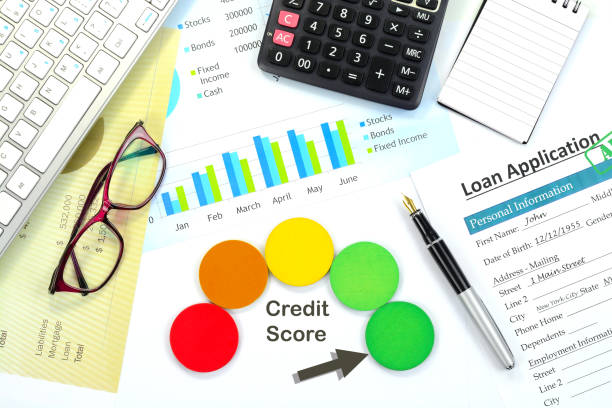
If you’ve ever rented an apartment, started a phone plan, or bought a car, you’ve likely been asked about your credit score. It feels like a mysterious three-digit number that decides whether you’re a responsible adult or a financial risk. But here’s the truth: a credit score isn’t a judgment on your character. It’s simply a prediction. Lenders use it to guess how likely you are to pay back money you borrow. That’s it.Think of it like a weather forecast for your financial trustworthiness. A high score means clear skies and on-time payments. A low score means a storm warning, so lenders either reject you or charge higher interest. The score comes from analyzing your credit history, which is a detailed record of every loan, credit card, and bill payment you’ve made. For instance, a credit card shows up differently than a student loan.Your score is calculated from your credit report, maintained by three major bureaus: Equifax, Experian, and TransUnion. They collect data from banks and card issuers. This includes your payment history, current balances, and length of credit. Then companies like FICO and VantageScore use math formulas to turn all that data into a single number between 300 and 850. The higher the number, the less risky you appear. Generally, a score above 700 is considered good, while below 600 signals trouble.What goes into that formula? Most models weight your history differently. The biggest chunk is your payment history. Do you pay bills on time? Even one late payment can drop your score noticeably. Missed payments hurt. Late payments stay on your report for seven years. Next is how much available credit you’re using. This is your credit utilization ratio. If you have a $1,000 limit and charge $900, that’s 90% utilization, which looks risky. Lenders prefer seeing under 30%. The length of your credit history also matters. Older accounts show you’ve been managing credit longer. Then there are new inquiries. Every loan or card application creates a hard inquiry that temporarily dips your score. A mix of credit types like a car loan and a credit card can help, but it’s a smaller factor.Here’s what a credit score is not. It’s not your income. You could earn six figures and have a mediocre score, or earn minimum wage and have an excellent one. It’s not your savings. And having no credit isn’t the same as bad credit. You could have $10,000 in the bank and an empty credit history, which makes you unscoreable or gives you a thin-file score lower than average. And it’s not a penalty for being young. Many twentysomethings haven’t had time to build history, so their scores start lower. That doesn’t mean they’re doomed; they just need to start using credit deliberately.Your score also isn’t one universal number. There are dozens of versions. Think of them as different brands of thermometers measuring the same temperature. FICO has different models for auto loans versus credit cards. VantageScore is another popular model. Your mortgage lender might see a different score than a free app shows. That’s frustrating, but all models work on similar principles. If you manage credit well, your scores will all be in the same ballpark.Why care? Because it affects the interest rates you get. A hundred-point difference can mean thousands of extra dollars on a house or car. Landlords check it to decide if they’ll rent to you. Insurance companies use it for premiums. Some employers even look at it. So it’s not just about getting loans; it’s about everyday financial freedom. So knowing what your score is and what it represents is the first step to controlling it.In short, a credit score is a snapshot of your past financial behavior, used to predict your future behavior. It’s not a grade on your life. You don’t have to be rich or perfect to have a good one. Just pay bills on time, keep balances low, and give yourself time. Treat your score like a tool, not a report card. Use it to unlock better deals, and don’t let it define who you are.A credit card is a tool that lets you borrow money to buy things, with a promise to pay it back later. You need one to build a “credit history,“ which is like a report card for how you handle money. A good history helps you later for big goals, like renting an apartment or getting a car loan. Think of it as practice for bigger financial responsibilities. Using a card wisely shows banks you can be trusted.
You’re ready if you have a steady way to get money, like a part-time job, and a plan for your monthly expenses. Most importantly, you must be ready to pay the full bill on time every single month. If you think you might spend money you don’t have, wait a bit longer. It’s better to start when you feel confident about tracking your spending and making payments without missing them.
It’s a simple guideline to keep your score safe. Try not to let your balance go above 30% of your credit card’s limit. For example, if your limit is $1,000, aim to keep your balance below $300. This isn’t a strict law, but staying below this mark tells the credit bureaus you’re not overusing your card. Remember, lower is even better! The people with the very best scores often keep their utilization below 10%.
The biggest risk is losing the item you put up as collateral. If you miss too many payments, the lender has the right to take that car or savings to get their money back. This can hurt your finances and your credit score. Also, just like any loan, you’ll pay interest, so you will pay back more than you borrowed. It’s crucial to only borrow what you can easily afford to pay back every month.
Not all bills normally get reported. Bills from loans or credit cards always get reported. But your rent, utilities, and streaming services usually don’t—unless you use a special service that reports them for you. The key is that late payments on any bill can end up hurting your score if the company sends the debt to a collection agency.