
1 month 2 weeks ago
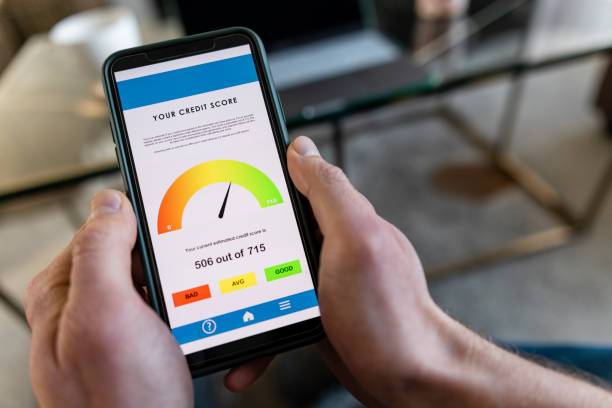
In your late twenties and early thirties, you start to realize that credit isn’t just a plastic card in your wallet. It’s a tool that can help you rent a decent apartment, finance a reliable car, or even qualify for a mortgage before you hit forty. But here’s the thing: you don’t need to open a dozen new accounts or chase crazy rewards to build a strong profile. One of the most underrated moves you can make is simply asking for a credit limit increase on the cards you already have. It sounds boring. It sounds like something your dad would do. But it works, and it can quietly move your credit score in the right direction without any drama.Why does this matter so much for people in the 26 to 35 age range? Because this is the decade where your financial life gets real. You’re past the entry-level mistakes of your early twenties. You might have a steady job, a few bills, and maybe some student loans still hanging around. Your credit score is no longer a random number you check once a year. It’s a number that determines whether you get approved for a better apartment, a lower car payment, or a home loan with an interest rate that doesn’t make you cringe. And one of the biggest factors in that number is your credit utilization ratio. That’s just a fancy way of saying how much of your available credit you’re actually using. If you have a card with a $5,000 limit and you carry a $2,500 balance, you’re using 50% of that card’s limit. That’s high, and it drags your score down. If you get that limit raised to $10,000 and you still owe the same $2,500, your usage drops to 25%. That’s a much healthier number, and your score can see the improvement within a month or two.The best part is that you don’t have to spend a single extra dollar to make this happen. You just need to ask. Most credit card issuers let you request a limit increase online or through their app. Sometimes they do what’s called a soft pull, which means it doesn’t even ding your credit report. Other times they’ll do a hard pull, which causes a tiny temporary dip that usually levels out. The key is to know which one you’re getting. If you’re not sure, call the customer service number on the back of your card and ask directly. Say something like, “I’ve been a responsible cardholder for a few years, I always pay on time, and I’d like to request a higher limit to improve my utilization. Will this be a soft or hard inquiry?“ That’s it. No fancy terms, no negotiation tricks. Just a simple, honest request.Of course, there’s a catch. A higher limit is not free money. It’s a longer leash, and plenty of people have tripped over that leash by treating it as a license to spend more. The whole point of this strategy is to lower your utilization without changing your habits. If you get a $3,000 increase and immediately blow $2,000 of it on a new TV and a weekend trip, you’ve made things worse. You’ve added debt, increased your monthly payments, and put yourself in a deeper hole. So before you ask for any increase, take a hard look at your spending patterns. Can you trust yourself to keep your balance exactly where it is? If the answer is no, then skip this move and work on paying down what you owe instead.Another thing to keep in mind is the timing. Don’t ask for a limit increase right after a big purchase or a missed payment. Lenders look at your recent behavior, and if you’ve been running a balance near your current limit, they might see you as a risk. The best time to ask is when you’ve been using your card moderately and paying off your statement balance in full for several months in a row. That shows you’re not desperate for credit. You’re just being smart about your financial future. Also, try to space out your requests. Asking every month looks needy. Once every six to twelve months is a good rhythm. And if one issuer says no, don’t take it personally. Just keep managing your account well and try again later.There’s also a side benefit to this strategy that many people overlook. When you have a higher credit limit, it gives you a cushion for emergencies. Not the “I really want these sneakers” kind of emergency, but the “my car broke down and I need it fixed today” kind. Having that extra room means you’re less likely to miss a payment or overdraft your checking account when something unexpected pops up. That resilience can protect your credit score from the little hiccups that life loves to throw at you in your thirties.So next time you log into your credit card app, don’t just check your balance and close it. Look at your current limit. Think about how long you’ve had the card and how well you’ve managed it. Then hit that request button or make a quick call. It takes about ten minutes, and it could boost your score by a decent chunk. Just remember to keep your spending steady, pay on time, and let the utilization do the heavy lifting. Your future self, the one applying for a mortgage or a better car loan, will thank you.A very safe rule is to wait at least six months between applications. Some experts even say to wait a full year. This gives your credit score time to recover from the last inquiry and shows banks you are not desperate. It also gives you time to learn how to use your new card responsibly before adding another one.
Get everything in writing before you pay a single dollar. If you can pay a lump sum, you can often settle for less than the full amount. Ask if they will report the debt as “paid in full” or “settled” to the credit bureaus. If you need a payment plan, agree to an amount you can truly afford each month. Once you have a written agreement, keep records of every payment. This protects you and ensures they keep their promises.
Pay your full statement balance by the due date every single month. If you do this, you won’t be charged any interest at all. Think of it as a free loan for a few weeks! The key is to only buy things you already have the money for in your bank account. This simple habit is the number one rule for using credit cards wisely and keeping your money in your pocket.
When you manage several cards well, you show banks you are very responsible. Paying every bill on time is the biggest help to your score. Also, if you keep the amount you owe low on each card, it improves your “credit utilization,“ which is a big part of your score. Think of each card as a chance to prove you’re a reliable borrower.
Don’t wait! Call your bank or card company immediately. The phone number is usually on their website or on your statement. The faster you report it, the less money you might be responsible for. They will cancel your old card and send you a new one with a new number. Always check your statements or app regularly to catch any strange charges early.