4 days ago
Your credit score is one of the most important numbers in your financial life. It helps decide whether you get approved for a credit card, car loan, or apartment. It also affects how much interest you pay. If your score is lower than you want, it can feel frustrating. One of the most effective steps you can take is also one of the simplest: pay down your credit card balances. You do not need a complicated strategy. You just need to understand how your balances affect your score and then take steady action.The key idea is credit utilization. That means how much available credit you are using. If you have a credit card with a two thousand dollar limit and a one thousand dollar balance, your utilization on that card is fifty percent. If you have several cards, your overall utilization is your total balances divided by your total limits. Credit scoring models pay close attention to this number. Most experts suggest keeping utilization below thirty percent, but lower is better. Getting below ten percent can help your score even more. High utilization can make you look risky to lenders, even if you always pay on time.Why does this matter so much? Because your credit score is designed to predict how likely you are to repay what you borrow. When you use a large part of your available credit, the system sees that as a warning sign. It does not know you plan to pay it off next week; it only sees the reported balance. That is why paying down your balances can raise your score fairly quickly. Unlike late payments, which can stay on your report for years, utilization changes every month. As soon as a lower balance is reported, your score can start to improve.To get started, gather your recent credit card statements. Write down each card’s balance and credit limit. Then figure out your utilization for each card and for all your cards together. Pick the card with the highest utilization first. Send as much money as you can toward that balance. If you cannot pay it off completely, pay more than the minimum. Even a small extra payment each month can make a difference over time.Timing matters more than many people realize. Your credit card company reports your balance to the credit bureaus on a certain day each month. This is often your statement closing date, not your payment due date. If you pay after the statement closes, the high balance may already be reported. To get the best result, make a payment before the statement closing date. You can even make multiple payments during the month. If you use your card for everyday purchases, paying it off weekly can keep the reported balance low. Call your card issuer and ask when they report balances to the credit bureaus. Then plan your payments around that date.Another important step is to keep your old cards open. It can be tempting to close a card after you pay it off. But closing a card reduces your total available credit. That can make your utilization go up, even if your balances stay the same. If the card has no annual fee, keep it open. Use it for a small purchase now and then, and pay it off right away. This keeps the account active and helps your credit history. If the card has an annual fee you do not want to pay, ask the issuer if you can switch to a no-fee version before you close it.As your balances drop, you may see your score rise within one or two billing cycles. The exact change depends on your whole credit report. If you have other issues, like late payments or a short credit history, the improvement may be smaller at first. Do not get discouraged. Keep paying on time and keep your balances low. Avoid charging up the cards again. A lower utilization shows lenders that you can manage credit responsibly. Over time, that can lead to better interest rates, higher limits, and more financial options. The goal is not just a higher score. It is less stress, more control, and a stronger financial future.It helps because the credit card company reports the account to the credit bureaus under your name too. If the main user pays the bill on time every month and keeps the balance low, that good history gets added to your credit report. This positive activity can help you build a credit history from scratch or improve a low score, showing future lenders you can be trusted.
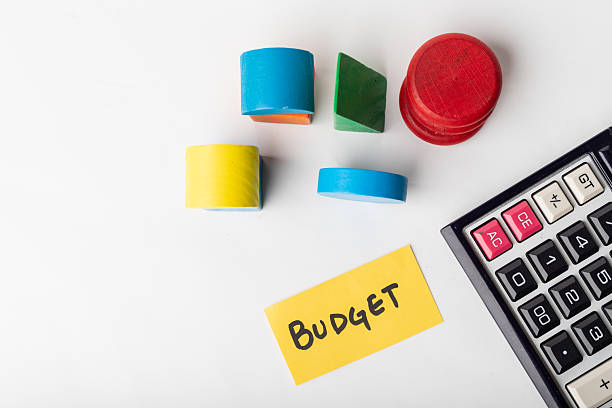
The best way is to set up automatic payments for at least the minimum amount due. This way, you never forget. You can also set up calendar reminders on your phone a few days before your bill is due. Look at your budget to make sure you have enough money for your bills each month. A simple system can save you a lot of stress and protect your credit.
The rules are usually simpler than for a regular loan. You typically need to be a member of the credit union (which is easy to join), have a steady source of income, and be able to afford the monthly payments. They often don’t check your existing credit score heavily, because the whole point is to help you build it. The main thing they want to see is that you are reliable and can make those small payments each month.
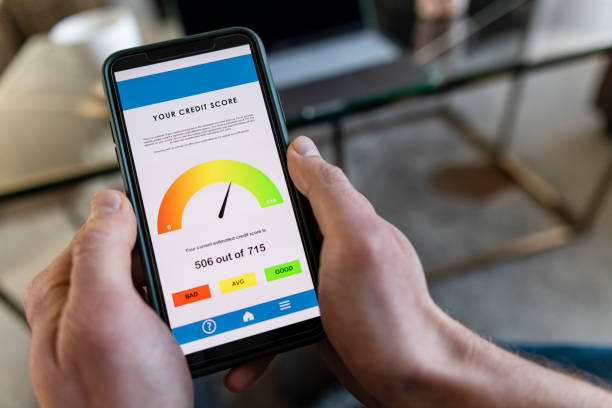
Think of your credit score as a grade for how you handle borrowed money. It’s a three-digit number, usually between 300 and 850, that lenders look at to decide if they can trust you to pay back a loan or credit card. Just like a good grade in school makes teachers happy, a good credit score makes lenders more likely to say “yes” to you and offer you better deals.
The single most powerful thing you can do is pay every bill on time, every single time. Payment history is the biggest factor in your credit score. Set up reminders or automatic payments so you never forget. Even being just 30 days late can stay on your report for years and really hurt you. Consistent, on-time payments show lenders you are responsible and can be trusted with more credit.