

1 month 4 weeks ago
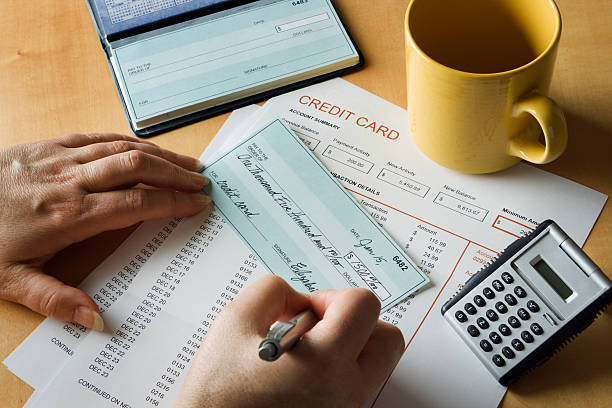
You already know that paying your bills on time is the single biggest factor in your credit score. Your payment history makes up about 35 percent of that number, which means a single missed due date can do more damage than almost anything else. But life gets busy. You forget. You get distracted. Maybe you thought you paid it, but you didn’t. The good news is you don’t have to rely on your memory to stay on top of things. There are simple, free tools that make missing a due date nearly impossible. The trick is setting them up once and letting them do the work.The most powerful tool is autopay. Almost every credit card, utility company, and loan provider lets you set up automatic payments directly from your bank account. You log in, enter your bank routing and account numbers, and tell them to take the minimum payment or the full statement balance automatically every month. Once that’s done, you basically never have to think about that bill again. The money comes out on the due date, or a few days before, without you lifting a finger. For credit cards especially, set autopay to pay the full statement balance if you can. That way you avoid interest charges and build good payment history at the same time. If you can’t afford the full balance right now, at least set it to pay the minimum. That’s enough to keep your credit report clean, even if you carry a balance.But autopay only works if the money is in your account. If you’re living paycheck to paycheck, you need to be smart about timing. Most companies let you choose your due date. When you set up a new credit card or utility account, or even an existing one, you can request a due date that falls right after your payday. Let’s say you get paid on the 1st and the 15th. Set your credit card due date for the 3rd, and your electric bill for the 17th. That way, the money has just landed in your checking account, and you don’t have to worry about overdrafting or getting hit with insufficient funds fees. Autopay then becomes a seamless part of your cash flow, not a source of stress.Still, autopay isn’t perfect. Sometimes the service goes down. Sometimes you switch banks and forget to update the info. Sometimes a card gets canceled and the autopay falls apart. That’s why you need a backup system. The simplest one is a calendar alert. Put every due date in your phone’s calendar the moment you open the account. Set the alert for two days before the due date and another one for the day of. When you get the notification, just log in and confirm the payment went through. It takes two minutes. And if you see something wrong, you have time to fix it before it’s late.Another backup strategy is to check your accounts weekly. Pick a regular time, like Sunday evening, to log into your bank app and look at your upcoming bills. Most bank apps show you pending payments and upcoming autopays. If you notice that a payment didn’t post, you can manually pay it right then. This habit also helps you catch fraud or errors early, which protects your credit in other ways.You might be tempted to rely on the late payment reminders that companies send you. They often text or email you a few days before your due date. That’s nice, but it’s not enough. Those reminders are easy to ignore or miss. You get a hundred notifications a day. A single text about your electric bill can get lost in the noise. Autopay plus a calendar alert plus a weekly check-in is a system that works even when you’re distracted, tired, or just really busy.One more thing to know: if you ever do miss a due date, don’t panic. Call the company right away. Many will waive the late fee the first time, especially if you’re usually on time. And if you’re only a day or two late, it might not even get reported to the credit bureaus. The rules vary, but it’s always worth the phone call. The worst thing you can do is ignore it and let it sit for 30 days. Once that happens, it lands on your credit report and drags your score down for seven years.The bottom line is simple. Never missing a due date is less about discipline and more about setup. Automate what you can, align the dates with your paychecks, and keep a simple backup reminder. You’re busy. You have a life. Your credit shouldn’t require constant mental energy. Let the systems do the heavy lifting, and you’ll build a rock-solid payment history without even thinking about it. That’s the kind of financial habit that pays off for decades.Your Social Security number is the master key to your financial life. With it, a scammer can open new credit cards, take out loans, or get a phone plan in your name—all without you knowing. This is called identity theft. Only give this number when absolutely necessary, like for a job application, a tax form, or a legitimate loan you applied for yourself. Question anyone else who asks for it.
Start with your most important credit bills—the ones that show up on your credit report. This includes your credit card bills, car loan, student loan, or personal loan. You can also add other regular bills like your phone or utilities, but focus on the credit-related ones first. The goal is to make sure the payments that lenders care about most are always made on time, every single month, without you having to think about it.
Get a secured credit card. You put down a cash deposit (like $200) which becomes your credit limit. Use it for small, regular purchases, like groceries or gas, and pay the full balance on time every single month. This reports positive payment history to the credit bureaus. Also, ask if your landlord uses a rent reporting service. Doing both at once gives you two streams of positive history.
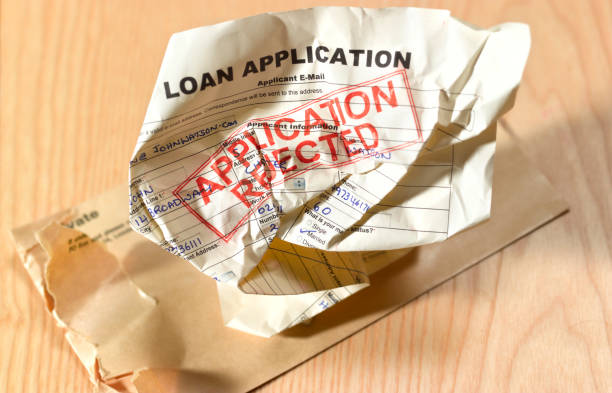
You don’t need a perfect score, but higher is always better. Many loans require a minimum score of 620, but that’s just to get in the door. To get the best rates and loan options, you should aim for a score of 740 or above. If your score is below 620, you’ll likely have a very hard time getting approved by most lenders. Don’t guess—check your score for free online well before you start house hunting so you know where you stand.
Good credit gives you financial power to help loved ones when they need it. You might co-sign a student loan for a grandchild with better terms because of your score. If a family member has an emergency, you could use a low-interest line of credit to assist them. Your strong credit history gives you the flexibility to be a financial helper without risking your own retirement security.