2 months 2 days ago
You’re at the register, about to pay for a new jacket or maybe a new TV, and the cashier hits you with that classic line: “If you open a store card today, you’ll save 15% on your purchase.“ Seems like a no-brainer, right? You were going to spend the money anyway, so why not get a discount? But that little piece of plastic can have a bigger impact on your credit than you might think. Before you say yes, let’s break down what actually happens when you sign up for one of these cards.First, know what you’re dealing with. A store card is a credit card that can only be used at a specific retailer, or sometimes a group of stores under the same parent company. Unlike a regular Visa or Mastercard that works anywhere, a store card is like a VIP pass that only gets you into one club. Some stores also offer a dual card version that works anywhere, but those are basically regular credit cards with a store logo slapped on them. The typical store card, however, operates on a closed loop, meaning you’re locked into that retailer for all your purchases.Now, the moment you say yes to that checkout pitch, two things happen. First, the store runs a hard inquiry on your credit report. That inquiry stays on your file for two years and can drop your score by a few points. One inquiry is no big deal, but if you’re applying for a real loan like a car or a mortgage in the near future, every point matters. Second, they approve you based on a soft pull of your credit history. If your credit is decent, you’ll likely get approved on the spot. But here’s the catch: store cards are notorious for having low credit limits, often starting at just $200 or $300. That low limit can mess with your credit utilization ratio, which is how much of your available credit you’re using at any given time. If you charge $150 on that $300 limit card, your utilization on that card is 50%, which is way above the recommended 30% max. High utilization tells lenders you might be overextended, and that drags your score down.Another sneaky issue is the average age of your credit accounts. Every time you open a new card, you shorten the average length of your credit history. If you’re young and only have a couple of accounts, adding a store card can drop that average noticeably. Lenders like to see long, stable credit histories, so a new store card can actually make you look less creditworthy in the short term.But the biggest trap with store cards isn’t the hard inquiry or the utilization — it’s the deferred interest. Many retailers push big-ticket items like furniture, electronics, or jewelry with a pitch like “No interest for 12 months!“ Sounds amazing. But here’s how it really works: if you don’t pay off the entire balance before the promotional period ends, you get hit with all the interest that would have accrued from the day you made the purchase. And store cards often have sky-high APRs, sometimes 25% to 30%. So that $1,500 couch could suddenly cost you way more than the sticker price. Miss the deadline by even one day, and you’re drowning in retroactive interest.There is one upside to store cards, though. If you pay your bill on time every month, they can help you build credit. Because they’re easier to get approved for than regular cards, they can be a starting point for someone with no credit or a thin credit file. But that’s only true if you use them responsibly. That means keeping your balance super low, paying in full every month, and never, ever carrying a balance on one of these cards. The interest is brutal.So, what’s the smart move? If the store is offering a discount you genuinely need and you can afford to pay the bill right away, go ahead and open the card — then pay it off before you even leave the parking lot. That way you get the discount, avoid interest, and add a positive payment record to your credit file. But if you’re only doing it because of the hype, or if you think you might not pay it off in full, just say no. A 15% discount isn’t worth a year of high interest payments or a damaged credit score. Your future self will thank you for skipping the plastic and just buying the jacket.Credit is a long game. Every card you open, every balance you carry, and every payment you miss tells a story to the lenders who look at your report. Make sure that story is one of smart decisions, not snap judgments at a checkout counter. Store cards can be a tool, but they’re the kind of tool that can easily cut you if you’re not careful. Use them sparingly, pay them off fast, and your credit score will stay healthy. Or, you know, just use a regular rewards card that works everywhere and skip the gimmick altogether. Either way, you’re in control.Usually, no. Closing old cards can actually hurt your score. It lowers your total available credit and can shorten your credit history length, which are both important factors. Even if you don’t use an old card, consider keeping it open (just cut it up if you’re tempted to spend). A long history of an account in good standing is helpful for your score.
A starter card is your first step into using credit. It’s made for people who are new to credit or are trying to build it from scratch. These cards usually have lower credit limits and simpler rules to help you learn. Think of it like training wheels for a bike. They help you get the hang of spending responsibly and paying on time without giving you too much spending power right away. Using one well is the best way to build a strong credit history.
Yes, absolutely. A secured card is one of the best tools to rebuild credit. You give the bank a cash deposit (like $200) which becomes your credit limit. You then use it for small purchases and pay the bill in full each month. The bank reports your good payments to the credit bureaus, just like a regular card. It proves you can handle credit responsibly now.
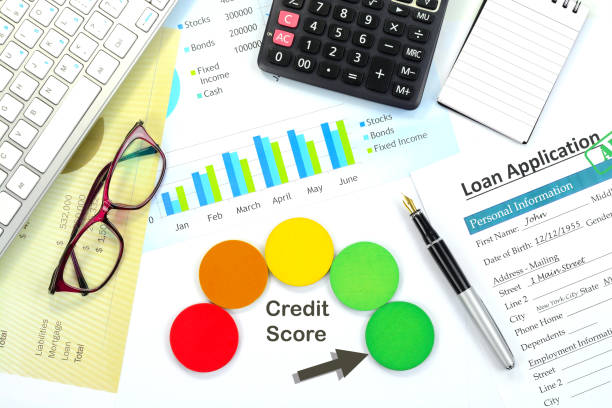
Think of your credit score like a grade for how you handle borrowed money. It’s a three-digit number that tells lenders, like banks or credit card companies, if you’re likely to pay them back. A good score makes life easier and cheaper! You’ll get approved for apartments, car loans, and credit cards more easily, and you’ll pay much less in interest. A poor score can make these things hard to get and very expensive. It’s a key that unlocks better financial opportunities.
No, this is a common myth! Having a zero balance reported is perfectly fine and does not hurt your score. Your positive payment history is still recorded every single month. What can help your score even more is if a small balance (like $10) gets reported to the credit bureaus before your due date, showing you’re using the card. You then pay that off in full by the due date to avoid interest. The key is to never carry a large, expensive balance from month to month.