today
A secured credit card is one of the easiest ways to start building credit when you have no history. It works like a regular card, but it requires a cash deposit. That deposit usually becomes your credit limit. If you put down two hundred dollars, you can spend up to two hundred dollars. It is not a prepaid card. You still get a monthly bill and must pay on time. The bank holds your deposit as a safety net, so it is often more willing to approve someone with no credit.For most people getting a first card, the biggest hurdle is proof. Credit card companies want to see you can borrow and repay. Without that record, they cannot tell if you are safe. A secured card lets you create that record from scratch. When you use it and pay on time, the issuer usually reports to the credit bureaus. That reporting builds your credit score. After several months, your file looks less empty and can open doors to better cards.A secured card is not the only first option. Student cards can be great if you are in college. Becoming an authorized user on a family member’s card can work if that person pays on time. Store cards are easy to get but come with high interest and limited use. A secured card stands out because it does not require credit history, a co-signer, or student status. It gives you control. You make the payments, so you build history.Choose the right secured card. Look for one that reports to all three major credit bureaus. If it does not report, it will not help your score. Check fees. Some cards have no annual fee. Others charge annual or monthly fees. A first card should be cheap. The deposit should be refundable when you close the account in good standing or upgrade to an unsecured card. Avoid cards with large application fees. Those products can slow you down.Once you have the card, use it in a boring way. Put one small recurring charge on it, like a streaming service, and pay it off. You do not need to spend a lot to build credit. Credit scoring looks at how much of your available credit you use, called utilization. Try to keep your balance below ten percent of your limit. If your limit is three hundred dollars, keep your balance under thirty dollars. Pay it down before the statement closing date.Always pay at least the full statement balance by the due date. Set up autopay for the full balance. One late payment can stay on your credit report for years. Do not use the card for cash advances. They often come with high fees and start charging interest right away. They do not help build credit and can create debt fast.After six to twelve months of use, many secured cards graduate you to an unsecured card. You get your deposit back and keep the same account history. If your card does not graduate, ask the issuer. If the answer is no, you can close it and apply for a better card once you have enough history. Keep your only card open if there is no annual fee.The biggest mistakes with a secured card are treating it like free money and applying for too many cards at once. A credit card is a tool, not extra income. If you cannot pay for something with cash, do not put it on the card. Multiple applications in a short time make you look risky. Start with one card, use it lightly, and pay on time. Your score will improve steadily.A secured credit card can be the best first card because it meets you where you are. It does not judge you for having no history. It gives you a clear path to prove yourself. Choose fair terms, keep spending low, and pay every bill on time. In a year, you may be ready for an unsecured card with rewards and a higher limit. By then, you will have a credit score and the habits that keep it healthy.The safest and most common first step is to add them as an authorized user on your credit card. This means they get a card linked to your account, but you are still fully responsible for the bill. Your good payment history on that card can then show up on their credit report, giving them a positive boost. Just remember, any mistakes you make (like late payments) will hurt their credit too, so only do this if you pay your bill on time every month.
Paying your full statement balance by the due date is the single best habit for building great credit. It shows lenders you are responsible and can manage debt well. Most importantly, it helps you avoid paying any interest charges at all. This means you get to use the bank’s money for free for a few weeks, and they report to the credit bureaus that you paid on time, which is the biggest factor in your credit score.
Ask utility companies (like your internet or phone provider) to report your on-time payments to the credit bureaus. If you have student loans or a car loan, paying those on time also builds credit. Becoming an authorized user on a family member’s old credit card can help, too. The key is showing you can manage different types of payments consistently over time.
Focus on the one card you have or the one new card you get. Use it for small purchases and pay the full balance on time every single month. This builds a fantastic payment history, which is the biggest factor for a good credit score. Let your good habits with one or two cards build your score slowly and steadily.
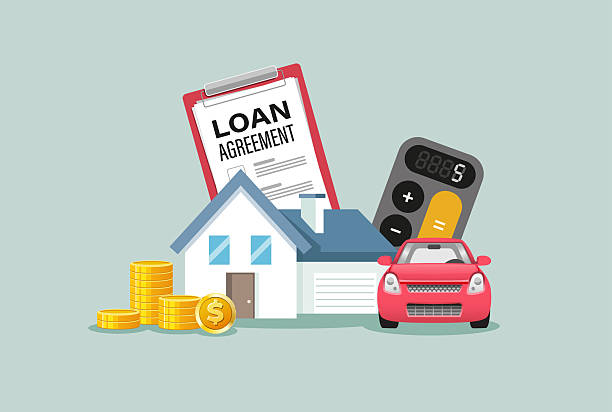
Yes! A small personal loan from your bank or credit union can work. You get the money upfront and pay it back in monthly installments. Making every payment on time builds great credit history. Just be sure you only borrow what you truly need and can afford to pay back. Another option is an auto loan, but that’s a much bigger commitment. The goal is to show you can handle borrowed money responsibly.