today
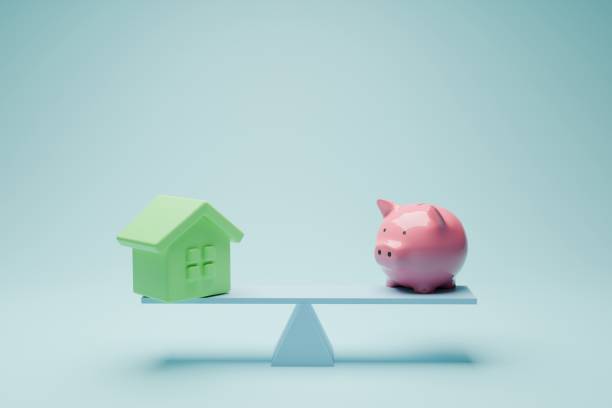
If you want a stronger credit score but don’t want to use credit cards, a savings pledge may be worth a look. It goes by names like credit builder loan, secured loan, or fresh start loan. The basic idea is simple: you borrow money that is held in a savings account, make monthly payments, and the lender reports those payments to the credit bureaus. When you finish paying, you get access to the savings. You build payment history without swiping a card.How it works. You apply with a bank, credit union, or online lender. They approve you for a small loan, often $300 to $1,000. Instead of handing you cash, they put the loan amount into a locked savings account. You make fixed payments each month, usually over 6 to 24 months. Each on-time payment is reported to Equifax, Experian, and TransUnion. At the end, the savings is released to you, sometimes minus interest and fees. You may also get a small amount of interest on the savings. The loan is secured by your own money, so approval is easier than for an unsecured loan. Some lenders do a credit check, but many use no check at all.Why it can help. Payment history is the biggest part of your FICO score, about 35%. A savings pledge creates a steady record of on-time payments. It also adds an installment loan to your credit mix, which is about 10% of your score. If your credit file is thin, it can help. It also keeps you away from credit card debt, so you don’t have to worry about maxing out a card or paying high interest on purchases. The savings account acts as a forced emergency fund. When the loan is done, you have cash you can use for a car repair, rent deposit, or a bigger savings goal.What it costs. These loans are not free. Lenders charge interest, and some charge application or monthly fees. The interest rate may be higher than a regular savings account earns. Because the loan is secured, the risk to the lender is low, but the cost can still add up. Always ask for the total cost. If you borrow $500 for 12 months at 15% interest, you will pay back more than $500. The savings you get at the end may be less than the total you paid. That does not mean it is a bad deal. You are paying for a reported payment history. Compare offers. Credit unions often have lower fees than online lenders. Some nonprofit lenders offer credit builder loans with no interest.What to watch out for. Not every lender reports to all three credit bureaus, so ask before you sign. Late payments can be reported and hurt your score. Set up autopay or a reminder. If you miss a payment, the lender may take money from the savings account and still report the late payment. Read the terms about when the savings is released. Do not use a savings pledge if you might need the cash for rent, food, or bills.How to use it wisely. Treat it like a real bill. Keep the loan amount small. You do not need a $5,000 loan to build credit. A $500 or $1,000 loan is enough. Keep other debts low. If you have a credit card, try to pay it down. If you don’t, focus on rent reporting or becoming an authorized user on a family member’s card. A savings pledge is one tool, not a magic fix. Check your credit reports for free and dispute errors. After the loan is paid, keep the savings account open if it has no fees.Bottom line. A savings pledge can build credit without a credit card. It turns your own savings into a reported loan. You make payments, build history, and get the money back at the end. It is not free, and it is not fast. But if you want to avoid credit cards and need a simple way to show lenders you pay on time, it can be a solid step. Choose a lender that reports to all three bureaus, understand the costs, and only borrow what you can repay.A secured card requires a cash deposit you pay upfront, like $200. That deposit acts as your credit limit and protects the bank if you don’t pay. An unsecured card doesn’t need a deposit; the bank gives you a limit based on trust. Both types report to the credit bureaus and help you build credit. Secured cards are often easier to get for your very first card. The key for both is to pay your bill in full and on time every single month.
Missing a payment is one of the worst things you can do for your credit with a car loan. Even one late payment can seriously hurt your score and will stay on your credit report for seven years. The lender may also charge you late fees. It tells future lenders that you might not be reliable. Always set up reminders or automatic payments to make sure you never miss a due date.
Don’t just write “Bill Due.“ Be specific so you know exactly what to do. A great alert looks like: “Credit Card Payment - $35 Minimum - Due Tomorrow.“ Include the company name, the amount you plan to pay (even if it’s just the minimum), and the due date. This way, when the alert pops up, you can take action immediately without having to go look up any extra details.
Typically, no. Companies like the electric, gas, or water company usually only report to the credit bureaus if you pay very late or not at all, which hurts your score. They don’t often report your good, on-time payments. To build credit, you need accounts that report all your payments. Focus on a credit-builder loan, a secured credit card, or a rent reporting service instead.
Your oldest card is special because it shows how long you’ve been responsible with credit. Think of it like a long-term friendship—the longer it lasts, the stronger it looks. Credit bureaus love to see a long history. Closing that account can make your overall credit history look shorter instantly. This can cause your credit score to drop. It’s the anchor of your credit history, so keep it safely open even if you don’t use it much.