

2 months 2 weeks ago
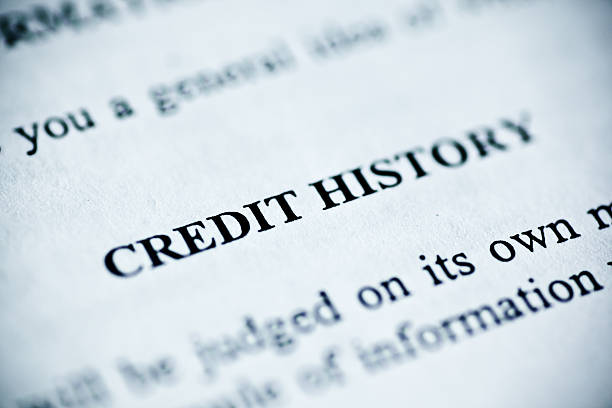
A lot of people think pulling up your credit score is like poking a sleeping bear. You check it, you get a ding, and suddenly your financial future is in shambles. That’s not true at all. Checking your own credit score is completely safe. It never lowers your number. It never shows up as a negative mark. And it’s one of the smartest things you can do for your money. The fear that you’ll “lose points” just from looking is one of the biggest myths in personal finance, and it stops too many young Americans from knowing where they actually stand.Here’s why that myth exists. When a lender checks your credit because you applied for a loan or a credit card, that’s called a hard inquiry. Hard inquiries happen when you’re asking for new credit. They stay on your credit report for two years, and they can shave a few points off your score, especially if you have several in a short period. That’s real. That’s why people tell you not to shop around for credit too often. But a hard inquiry is not the same as a “credit pull” you do yourself. When you check your own credit score, either through a free app, your bank, or a credit bureau directly, that’s called a soft inquiry. Soft inquiries are invisible to lenders. They have zero effect on your score. You could check your score every single day for a year, and it would never move a single point because of that habit. The only person who sees a soft inquiry is you. It’s like looking in a mirror. No one gets hurt, and no one else even knows you did it.So why do so many people still believe checking hurts? Part of it is confusion between your credit report and your credit score. Your credit report is a detailed list of your credit accounts, payment history, and any public records like a bankruptcy. Your credit score is a three-digit number calculated from that report. You can get a free copy of your credit report from each of the three major bureaus every 12 months at AnnualCreditReport.com, which is the only government-authorized free source. That report doesn’t include your score, but it shows you the details. To see your actual score, you might use a service or your credit card issuer. Most major credit cards now give you a free score update every month, and that update is always a soft inquiry. Same with sites like Credit Karma or similar free tracking tools. None of those ever ding you.The real problem is that too many people avoid checking because they’re afraid of what they’ll see. They think ignorance is protection. That’s backwards. Your credit score is not a judgment on your worth as a human being. It’s a tool. It changes over time. It rises when you pay bills on time, drops when you miss a payment, and recovers as you build positive habits. If you don’t check it, you’re flying blind. You might not find out about an error on your report, like a account you never opened or a late payment you never made, until you actually apply for an apartment or a car loan. That’s a much harder hit than any soft inquiry could ever be. Checking your score regularly lets you catch those problems early and fix them before they cost you hundreds or thousands of dollars.The best way to approach your credit score is the same way you approach your bank account. You don’t ignore your checking account because you’re scared of seeing a low balance. You log in, see where you are, and make a plan. Your credit score works the same way. Look at it monthly. Notice what changed. If it dropped, ask yourself why. Did you use too much of your credit card limit? Did you miss a due date? Did you close an old card? Then you can adjust your habits. If it went up, keep doing whatever you’re doing. That’s the entire point. The score isn’t a report card from your high school teacher. It’s a live number that responds to your financial behavior. The more you understand it, the less scary it becomes.Another common worry is that checking your score might “trigger” something behind the scenes. There’s no hidden chain reaction. No bank gets notified that you looked at your own score. No loan officer sees a flag. The credit bureaus already know who you are. A soft inquiry is just a routine lookup that only shows up on your own copy of the report. It doesn’t even appear on the version lenders receive. So you can check without any anxiety. You have absolutely nothing to lose.How often should you check? Some experts say once a month is a good rhythm. Others say you can check as often as you want. There’s no penalty for frequency, so pick whatever cadence keeps you informed without making you obsessive. If your credit card app shows your score, that’s a built-in reminder. Check it when you pay your bill. Use the data to see if your utilization is creeping up. Watch it over a few months to understand how your habits move the needle. The more you engage, the more natural it becomes.At the end of the day, your credit score is simply a summary of how reliably you’ve handled borrowed money in the past. Checking it doesn’t change that history one bit. All it does is give you a clear picture. And a clear picture is the first step to making better decisions. So go ahead. Look at your score today. Then look again next month. It’s free, it’s safe, and it’s one of the most powerful habits you can build for your financial future.You should check it about once a month. Checking your own score through your bank does NOT hurt it—that’s a myth! A monthly check lets you see if your good habits are paying off. It also helps you catch mistakes or fraud quickly. Think of it like a monthly health check-up for your finances. Just set a reminder on your phone to log in and take a quick look. It only takes a minute.
The biggest things that hurt your score are paying bills late and borrowing too much money. If you max out your credit cards or are constantly late on payments, your score will drop. Other negatives include having too many new credit applications in a short time, defaulting on loans, or having accounts sent to collections. These actions signal to lenders that you might be a risky person to lend money to.
You should watch for a few common fees. The annual fee is a yearly charge just for having the card. Late payment fees happen if you miss your payment due date. Over-the-limit fees can occur if you spend more than your credit limit allows. Also, watch for foreign transaction fees if you use your card outside the country. Knowing these helps you avoid surprise charges!
Your phone can be a great tool for safety. Set up alerts so your bank texts you for every purchase. This way, you’ll know instantly if something is wrong. Many banks also let you “freeze” your card right from their app if you just misplace it, then “unfreeze” it if you find it. Using your phone to pay (like with Apple Pay or Google Pay) can also be safer than swiping your physical card.
Yes, it matters a lot. The longer you’re late, the worse it gets. A payment 30 days late is bad, but a 60- or 90-day late payment is much more severe. It shows lenders you’re having serious trouble keeping up, not just forgetting a due date. Each later stage (like going from 60 to 90 days) can cause another big drop in your score. The best move is to catch it before it hits 30 days to avoid the first major hit.