5 months 1 weeks ago
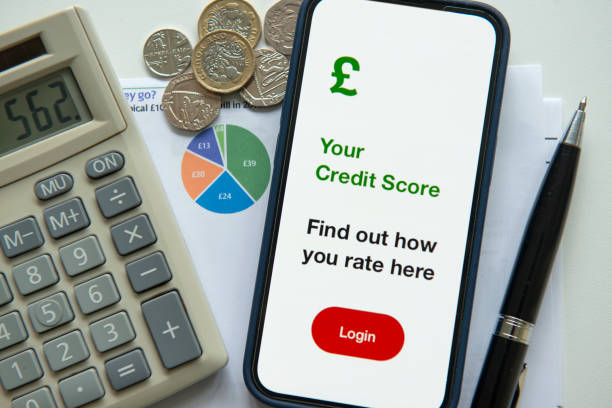
If you’re trying to build credit but you don’t have a credit card, you might feel stuck. Most advice out there tells you to get a secured card, but that still requires you to open a new account and pay a deposit. There’s another path that uses something you’re already paying every month: your rent. For millions of renters, the largest bill on their monthly budget goes completely unreported to the credit bureaus. That means you’re building a strong history of on-time payments with your landlord, but none of that effort is showing up on your credit report. The good news is that you can change that. By getting your rent payments reported, you can give your credit score a real boost without ever touching a plastic card.The first thing to understand is why rent reporting works. Credit scores are based on the information in your credit report. That report tracks how you handle borrowed money or financial obligations. A landlord is not a lender, but the payment relationship is similar. You agree to pay a certain amount each month, and you follow through. When that payment history gets added to your credit report, it shows future lenders that you can handle a recurring financial responsibility. The scoring models, whether they’re FICO or VantageScore, see that as positive evidence. The result is often a higher score, especially if you have a thin credit file or no credit at all.So how do you actually make this happen? The easiest way is to sign up for a rent reporting service. Companies like Experian Boost, RentTrack, and PayYourRent have made the process simple. You connect your bank account to the service, or you enter your landlord’s information. The service then verifies your rent payments with your landlord or through your banking history. Once verified, the service reports those payments to one or more of the three major credit bureaus: Equifax, Experian, and TransUnion. Some services report to all three, some report to just one, so you’ll want to check which ones you’re getting.There’s also a newer option called Experian Boost, which is free and works a bit differently. In addition to reporting rent, Boost also counts utility and phone payments. You give it access to your online bank account, and it scans for qualifying payments. When it finds a rent payment, it adds that positive history to your Experian credit file right away. The catch is that Boost only affects your Experian score, not the other two bureaus. If you’re applying for a loan that pulls your credit from Equifax, that boost won’t help you there. But for a quick and free starting point, it’s a solid move.Before you jump in, know that not every rent reporting service is free. Some charge a monthly fee, like ten dollars or more, and others charge a one-time setup fee. If money is tight, look for free options or services that only charge when your rent is reported successfully. Also, make sure you’re dealing with a legitimate company. There are scammers out there who will take your money and never send anything to the bureaus. Stick with well-known names and read reviews from other users.Here’s another important detail: rent reporting only helps you if you pay on time. If you have a history of late rent payments, adding that negative information to your credit report will hurt you. The whole point is to showcase your reliable payment behavior. So before you sign up, ask yourself honestly whether you’ve been consistent with your rent for the past year. If you have, great. If you’ve slipped a few times, wait a few months to build a clean streak, then start the reporting process.You should also be aware that rent reporting doesn’t have the same weight as a traditional loan. When lenders look at your credit report, they’re used to seeing credit card and mortgage histories. Rent payments are considered a less established source of credit data. That means your score might not jump up dramatically, but even a modest increase can make a difference. A higher score can qualify you for better interest rates on a car loan, an apartment lease, or even a phone plan. And if you’re starting from zero, any positive account on your report is better than none.Finally, don’t expect rent reporting to replace other credit-building habits. You still need to keep your bank account in good shape, avoid overdrafts, and keep your debts low. But if you’re avoiding credit cards on purpose, or you just don’t have one yet, rent reporting is a smart workaround. It takes advantage of a payment you’re already making and turns it into a financial asset. Talk to your landlord about whether they’ll work with a reporting service. Some landlords are happy to help, especially if you offer to cover any fees. Others might be hesitant, but you can always use a service that pulls directly from your bank records without needing your landlord’s cooperation.At the end of the day, building credit without a credit card is possible. You just have to be creative and use what you’ve got. Your rent is probably your biggest monthly payment. Put it to work for you. Sign up for a rent reporting service, make sure you’re paying on time, and watch your credit report start to show the responsible person you already are.Knowing your limit helps you make a smart spending plan. If you don’t know your limit, it’s easy to accidentally spend too much and get hit with fees or a higher interest rate. It also keeps you in control of your finances, so you’re not surprised by your bill. This knowledge is a simple tool that helps you build good credit instead of damaging it.
Yes, avoid anything that charges an extra fee for using a credit card. Some small businesses or government offices might add a fee if you pay with plastic. Always ask, “Is there a fee for using a credit card?“ If there is, use your debit card or cash instead. You don’t want to pay extra money just to build credit. Stick to places where using your card is free and convenient.
Probably not right that second, but it can be hurt quickly. Most companies do not report a missed payment to the credit bureaus until you are 30 days late. This gives you a short window to fix things. If you pay before that 30-day mark, it might not show up on your credit report at all. This is why acting fast is so important to protect your credit score from damage.
Yes, having a healthy mix of different credit types can help a little. This is called your “credit mix.“ It shows you can handle different kinds of payments. Think of it like having both a credit card (revolving credit) and a car loan or student loan (installment credit). But don’t go take out a loan just for this! Your payment history and credit card balances are much more important. A good mix is just the finishing touch on a strong score.
You can check your own history for free! The best way is through AnnualCreditReport.com. This is the official site to get a free report from each of the three major credit bureaus once every year. Checking your own report does not hurt your score. It’s like looking in a mirror for your finances—you get to see what lenders see and make sure all the information is correct.