1 month 2 weeks ago
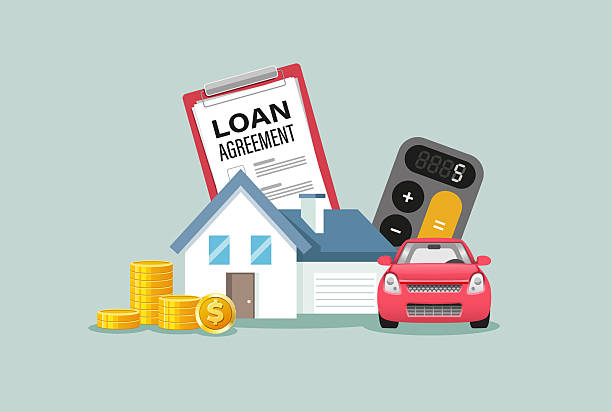
If you’ve ever tried to get a credit card with no credit history, you know how frustrating it can be. You need credit to get credit, and the system feels like a catch-22. But there is another route that doesn’t require a credit card at all. A credit builder loan is a tool designed for people starting from zero or repairing a damaged score. It works differently from a typical loan, but it’s one of the simplest ways to establish a solid credit history.Here’s how it works. When you take out a regular loan, you borrow money upfront and pay it back over time. With a credit builder loan, the money is held in a bank account while you make monthly payments. You don’t receive the funds until the loan is fully paid off. The lender reports your payments to the three major credit bureaus, and each on-time payment adds positively to your credit file. You’re essentially building credit with your own money, but through a structured process that shows lenders you can make consistent payments.Why does this matter? Payment history is the single biggest factor in your credit score. It makes up about thirty-five percent of your score. When you make monthly payments on time, you’re showing responsible behavior. Over the course of a typical credit builder loan, which often runs six to twenty-four months, you can go from having a thin file to a solid one. That’s a huge change for someone who has never borrowed before.There are a few ways to get a credit builder loan. Some online financial technology companies specialize in them, and many credit unions offer their own versions. If you have a credit union membership, that’s often the cheapest and easiest place to start. Credit unions are nonprofit and tend to have lower fees than big banks or online startups. Some lenders let you choose the size of the loan, usually between three hundred and a couple thousand dollars. You pay a bit of interest, but the total cost is typically modest if you complete the loan on schedule.Watch out for upfront fees. Some companies charge a setup fee before you even start, and that eats into the benefit. A reputable lender will be clear about all costs from the beginning. Look for something with no hidden fees and reasonable interest rates. If a company promises to build credit fast and asks for money first, be cautious. Legitimate programs are transparent and don’t rely on high-pressure sales tactics.A credit builder loan also helps in another way. It adds to the mix of credit types on your report. Lenders like to see that you can handle different kinds of debt, like installment loans (car loans, mortgages) and revolving credit (credit cards). By completing a credit builder loan, you show you can handle an installment loan. That diversity can boost your score over time. It also helps when you’re ready for a real loan. When you walk into a bank a year from now and ask for a car loan, the bank will see that you’ve successfully made on-time payments for twelve months. That makes you a much less risky borrower.There are downsides. If you miss payments or stop paying, the lender will report that too, and your score will drop. Also, some credit builder loans hold your money in a savings account until the end, but if you pay the minimum and the fees, the net gain might be small. And a credit builder loan alone won’t fix your credit if you have other negative items on your report. It’s a building block, not a miracle cure.The best approach is to pair a credit builder loan with good habits. Set up automatic payments from your checking account so you never miss a due date. Use the time to learn how your credit score responds to your behavior. And don’t apply for too many other credit products while you’re in the middle of the loan, because multiple hard inquiries can temporarily lower your score.In the end, a credit builder loan is a practical, no-nonsense way to get your credit moving in the right direction without ever owning a credit card. It’s not flashy, and it won’t happen overnight. But it’s honest, predictable, and effective. For anyone tired of being told no, it’s worth a serious look. You pay yourself, you build a history, and you walk away with a stronger financial foundation.The biggest risk is if the main cardholder pays late or runs up a very high balance. That bad behavior will hurt your credit score just as much as their good behavior can help it. Also, if you use the card and don’t pay the main user back, it can damage your relationship with them. You are trusting them with your credit health.
You should ask them clear questions. Ask if they always pay the bill on time and in full. Ask what the credit limit is and how much of it they typically use. Most importantly, agree on clear rules about if you will actually use the card, what you can buy with it, and how you will pay them back for any charges you make.
You should watch for a few common fees. The annual fee is a yearly charge just for having the card. Late payment fees happen if you miss your payment due date. Over-the-limit fees can occur if you spend more than your credit limit allows. Also, watch for foreign transaction fees if you use your card outside the country. Knowing these helps you avoid surprise charges!
You simply ask the main account holder to call the credit card company and remove you. The card issuer will then stop reporting that account on your credit report. You should also cut up the card. After removal, it may take a billing cycle or two for the account to disappear from your credit reports. It’s a quick fix if the situation isn’t working out.
Paying more than the minimum is a superpower for your credit! It helps you pay off your debt much faster and saves you a ton of money on interest charges. This lowers your “credit utilization,“ which is a big factor in your credit score. Think of it as taking a shortcut out of debt instead of walking the long, expensive path.