2 months 3 weeks ago
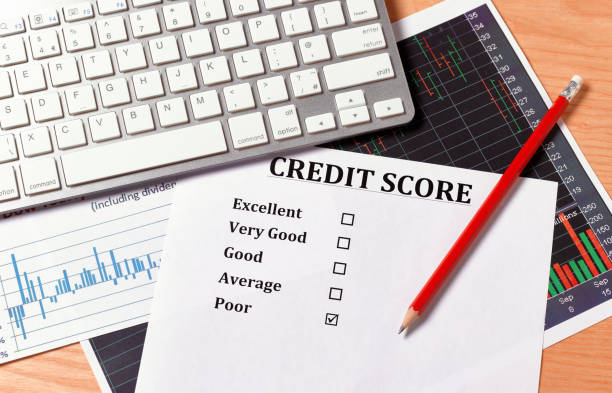
Your credit score is a three-digit number that tells lenders how likely you are to pay back money you borrow. It might seem like a random score, but it’s actually built from a few specific pieces of information in your credit report. Once you understand what makes up that number, you can take control of it instead of feeling like it’s a mystery.Think of your credit score like a grade for your financial habits. The most important part, by far, is your payment history. This is simply a record of whether you’ve paid your bills on time. Lenders want to know: if they give you a credit card or a loan, will you make your monthly payments? Every time you pay at least the minimum amount by the due date, that’s a positive mark. Miss a payment, and it stays on your credit report for seven years. One single late payment can drop a good score by a lot, and it takes months of on-time payments to recover. That’s why the golden rule of credit is simple: always pay on time. Even if you can only afford the minimum, paying something is better than missing the due date.The second biggest piece of your credit score is called your credit utilization. That’s a fancy term for how much of your available credit you’re actually using. Say you have a credit card with a $1,000 limit. If you carry a $300 balance, your utilization is 30%. Most experts recommend keeping that number under 30%, and under 10% is even better. Why? Lenders see high utilization as a sign that you might be struggling to manage money. If you’re maxing out your cards month after month, you look risky. The easiest way to improve this is to pay down your balances. You can also ask for a higher credit limit, but only if you’re sure you won’t spend more. That raises the top number, which automatically lowers your utilization.Your credit history length comes next. This tracks how long you’ve had credit accounts open. The older your accounts, the better. It shows lenders that you have experience managing credit over time. This is why closing an old credit card can hurt your score. You lose that long history. If you’re young and just starting out, patience is key. There’s no fast forward button. Just keep your oldest accounts open and active, even if you only use them once every few months for a small purchase.New credit is another factor. Every time you apply for a credit card, a loan, or a rental, the lender does a “hard inquiry” on your credit. That’s a formal check, and it shows up on your report. Too many hard inquiries in a short period makes you look desperate for money, which is a red flag. Each inquiry can shave off a few points, though they stop affecting you after a year. So don’t open a pile of credit cards at once. Space out your applications. And the good news is that checking your own credit score or getting a free report does not count as a hard inquiry.The last factor is your credit mix. This looks at the variety of credit accounts you have. A mix might include a credit card, a car loan, and a student loan. Lenders like to see that you can handle both revolving credit (like cards, where you can use a portion of your limit) and installment credit (like loans with fixed monthly payments). But you don’t need to go out and get a loan just to improve this. It’s a small part of the score. If you have no credit history at all, starting with a secured credit card or a student card is a smart move.Now, here’s a crucial point: your credit score is based on information from your credit report. A report is a detailed record of your credit accounts, payment history, and inquiries. There are three major credit bureaus—Equifax, Experian, and TransUnion. They don’t always have the exact same information, but they use similar formulas to calculate your score. The most common credit score is the FICO score, which ranges from 300 to 850. The higher the number, the better your financial trustworthiness.What does a good score get you? Lenders use it to set your interest rates and terms. A score above 700 often means lower interest rates on car loans, mortgages, and credit cards. That can save you thousands of dollars over time. A score below 580 might mean you get denied or have to pay sky-high rates. Renters, landlords, and even some employers might also check your credit. So it matters outside of just borrowing money.The takeaway is that your credit score isn’t a rigid number handed down from some mysterious place. It’s a reflection of your habits. Pay your bills on time, keep your balances low, and don’t apply for credit you don’t need. Do that, and your score will naturally climb. If you make a mistake, don’t panic. Credit is forgiving. Negative items fade, and good behavior builds back. Start today, because every single month gives you a fresh chance to show lenders you’re someone worth trusting.Use your card for small, regular purchases you can afford, like a monthly streaming service or gas. Always, always pay the entire statement balance on time every month. This shows lenders you are responsible. Try to keep your spending well below your credit limit; using less than 30% is a great goal. Do this consistently for 6-12 months. This good behavior gets reported and builds your credit score, opening doors to better cards and loan rates in the future.
Use it the right way by making small, planned purchases you can already afford with the money in your bank account, like a monthly streaming service or gas. Then, pay the entire “statement balance” by the due date every single month. This avoids all interest charges and builds great credit. Never max out your card; try to use less than 30% of your limit. Set up payment reminders so you never forget.
Most services can report a wide range of your regular bills. Common ones include your rent payment, electricity, gas, water, internet, cable, and even some streaming subscriptions like Netflix. The key is that these are bills you pay consistently each month. The service will connect to your bank account or billing accounts to verify your payments. They then translate that payment history into a format the credit bureaus accept.
This is called being an authorized user. A family member with good credit can add you to their credit card account. Their good payment history on that card can then appear on your credit report. This can give your score a quick boost. It’s very important the primary cardholder pays on time, as their mistakes can also hurt your score. It’s a helpful jump-start, but you should also build your own credit history.
Paying your rent usually does not help your credit score automatically. Most landlords do not report your on-time payments to the credit bureaus. However, you can use special rent reporting services. These services, like Piñata or RentTrack, will tell the credit bureaus about your payments for a small fee. If you sign up and pay your rent on time every month, these positive reports can help build your credit history over time.