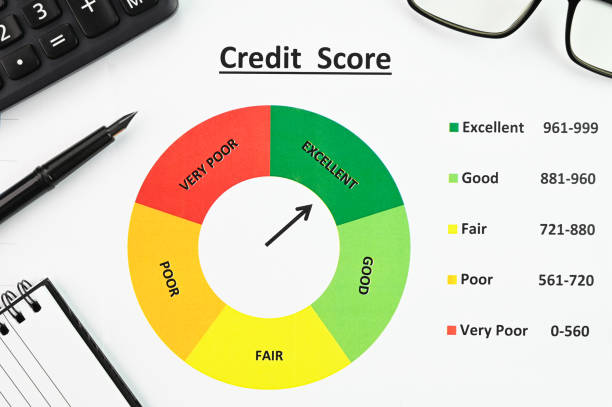
Have you ever wanted to build a good credit score but felt stuck because you don’t have a credit card? There’s a clever trick you might not know a...
Read More
Let’s be real, your credit score can feel like a mysterious number that just sort of exists. You know it’s important for things like getting a car...
Read More
Let’s talk about a super important piece of your money life: your credit report. Think of it like your school report card, but instead of grades for...
Read More
So, you checked your credit score and it went down. First things first, don’t panic. This happens to almost everyone at some point. It feels like a ...
Read More
Your credit report is like a report card for your money habits. It tells the story of how you handle loans and bills. Lenders, like banks or credit ca...
Read More
Getting your first credit card is a really exciting moment. It feels like a key to new possibilities, and in a way, it is. But just like you wouldn’...
Read MoreYou should check your report because it’s like a report card for your money habits. It shows if you pay bills on time and how much you owe. Mistakes can happen, and a mistake on your report can hurt your credit score. By checking it for free, you can find and fix errors. This helps you get better loan rates and saves you money. It’s your right to see this information, so you should use it!
Yes, you should pay the missed amount as soon as you possibly can. But don’t stop there. When you make the payment, also ask about any late fees you were charged. Sometimes, if it’s your first time missing a payment, the company might be nice and remove that fee for you. It never hurts to ask politely. Getting your account current stops the problem from growing.
Yes, having a healthy mix of different credit types can help a little. This is called your “credit mix.“ It shows you can handle different kinds of payments. Think of it like having both a credit card (revolving credit) and a car loan or student loan (installment credit). But don’t go take out a loan just for this! Your payment history and credit card balances are much more important. A good mix is just the finishing touch on a strong score.
Try to use less than 30% of your total credit limit. For example, if you have a card with a $1,000 limit, aim to keep your balance below $300 when the statement is created. This is called your “credit utilization,“ and a low number shows you’re responsible and not maxed out. It’s even better to pay off the full balance each month to avoid interest charges. High balances can make you look risky to lenders, even if you pay on time.
Be very careful. Many companies promise quick fixes but charge high fees for things you can do yourself for free, like disputing errors. No one can legally remove accurate negative information from your report. You are your own best advocate. Use free resources and do the work yourself. It takes time, but you can rebuild your credit without paying a company.