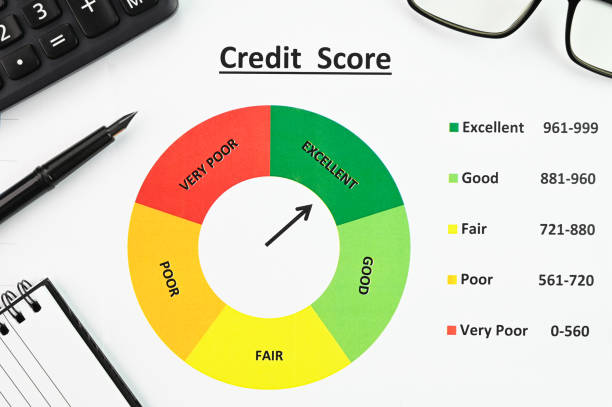

 Building good credit in your twenties and thirties is one of the smartest things you can do for your future. Think of your credit like a report card for how you handle money. It’s a score that tells banks and other companies if they can trust you. A good score makes life easier and cheaper. A bad score makes everything harder. The good news is, building it is not as scary as it sounds. You just need to know a few simple rules and stick to them.The first step is to get a credit card. This is the most common way people start their credit. If you are new to credit, you might need to start with a special card. Some banks offer cards made for people with no credit history. Another great way to start is with a secured card. You give the bank a small amount of money, like two hundred dollars, and that becomes your credit limit. You use the card just like a normal one. The key is to only buy things you already have the money for. Then, pay the full bill on time every single month. This shows the credit bureaus, the companies that keep your score, that you are responsible.Paying your bills on time is the biggest rule. Your payment history is the most important part of your score. This means every bill, not just your credit card. Your phone bill, your student loan payment, and your car payment all count. Setting up automatic payments from your bank account can help you never forget. Even one late payment can hurt your score for a long time. So, make on-time payments your number one money habit.Another big rule is to not use too much of your credit. Even if you have a credit card with a one-thousand-dollar limit, you should try not to use most of it. A good goal is to use less than thirty percent of your limit. So, on that one-thousand-dollar card, try to keep your balance under three hundred dollars. This shows you are not desperate for credit and that you can manage your money well. It’s better to have a small balance that you pay off than to have a big balance that you struggle with.Finally, be patient and think long-term. Good credit is not built in a month. It is built over years of good choices. Don’t open too many new credit cards at once. Keep your oldest card open, because a longer credit history helps your score. Check your credit report for free once a year to make sure there are no mistakes. Building credit is like planting a tree. The best time to start was years ago, but the second-best time is right now. By starting these habits in your twenties and thirties, you are building a strong foundation for your future. You are making sure you can get the car, the apartment, or the house you want, and you will save thousands of dollars on interest over your life. It’s a gift you give to your future self.
It depends on how serious the mistake was. For a few late payments, you might see improvement in 6-12 months of good behavior. For bigger issues like a bankruptcy, it can take years. The key is to start now. Every single month you pay your bills on time from this point forward is a positive step that helps. Think of it like healing a scraped knee—it doesn’t get better overnight, but consistent care makes a huge difference.
Because our brains are busy! You might remember the date, but life gets hectic. A calendar alert is a fail-safe. It acts like a friendly nudge right to your phone or computer, saying, “Hey, don’t forget your payment is due tomorrow!“ This removes the stress of trying to keep track of everything in your head and makes sure you never miss a deadline because you simply forgot.
Your credit score is like a grade for your borrowing history. A high score tells the lender you’re a safe bet, so they reward you with a lower interest rate. A lower score makes you look riskier, so they charge a higher rate to protect themselves. Think of it this way: a great score could save you tens of thousands of dollars over the life of your loan just by getting a better rate. It’s the single biggest reason to build your credit before you apply.
Probably not right that second, but it can be hurt quickly. Most companies do not report a missed payment to the credit bureaus until you are 30 days late. This gives you a short window to fix things. If you pay before that 30-day mark, it might not show up on your credit report at all. This is why acting fast is so important to protect your credit score from damage.
The main “catch” is that you cannot use the money until you’ve paid the loan off. You need to be sure you can stick to the payment schedule for the full term. Also, while interest rates are generally low, you are paying some interest for this service. If you miss a payment, it will hurt your credit score just like any other loan. So, only sign up if the monthly payment fits easily into your budget.