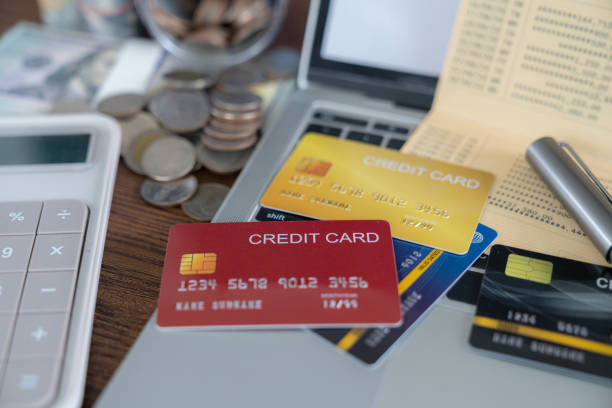
Let’s talk about something super important when you’re building your credit: credit cards. It might seem like a good idea to get a bunch of them, ...
Read More
If you want to build your credit but don’t want a credit card, you have a great option. You can get something called a credit-builder loan from a cr...
Read More
Getting your first credit card is a big step. It feels very grown-up. Think of it like getting the keys to a new tool, not a pile of free money. This ...
Read More
Think about when you wanted to borrow something big from a friend, like their favorite video game for a whole month. If you’d always given their stu...
Read More
Have you ever wanted to build a good credit score but felt stuck because you don’t have a credit card? There’s a clever trick you might not know a...
Read More
Let’s talk about something really important: keeping your credit safe from people who want to trick you. When you’re working hard to build strong ...
Read MoreDon’t panic, but have a plan. First, try to pay down the extra amount as fast as you can, even before your monthly bill comes. You can make multiple payments in a month. This can lower the balance that gets reported. Second, avoid making more purchases until the balance is back down. The key is to not let a high balance stick around for more than one billing cycle.
Credit Karma is a top choice. It’s completely free and shows your VantageScore from two major credit bureaus. The app updates weekly, is very easy to use, and explains the factors changing your score. They make money by suggesting credit cards or loans you might qualify for, but you never have to buy anything to see your score and reports.
The rules are usually simpler than for a regular loan. You typically need to be a member of the credit union (which is easy to join), have a steady source of income, and be able to afford the monthly payments. They often don’t check your existing credit score heavily, because the whole point is to help you build it. The main thing they want to see is that you are reliable and can make those small payments each month.
Good information can stay on your report for a long time and help you! Positive accounts, like a loan you paid off perfectly, can stay for up to 10 years. Negative information, like late payments or collections, generally stays for about 7 years. This means mistakes from your past won’t haunt you forever. More importantly, it shows that building new, good habits today will quickly start to outweigh old problems.
Applying for many cards in a short time makes you look risky to banks. Each application causes a “hard inquiry” on your credit report. Too many of these inquiries can lower your credit score. Banks think, “This person needs a lot of money fast!“ and get nervous. It’s better to be patient and apply only for cards you really need and can get.