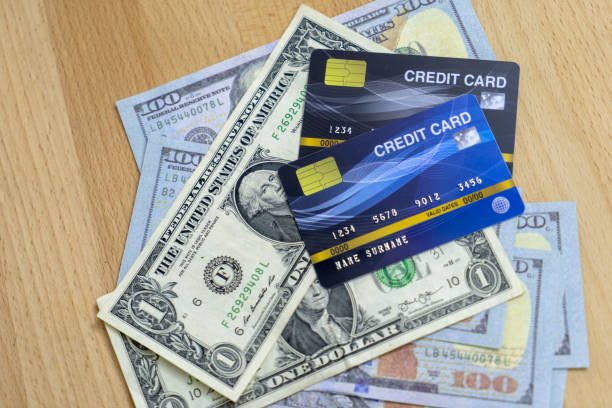
 Let’s talk about something really important: keeping your credit safe from people who want to trick you. When you’re working hard to build strong credit for life, the last thing you need is a scammer trying to wreck it. Think of your credit like a castle you’re building. Scammers are like sneaky invaders trying to sneak in and steal your treasure. Your job is to be the smart guard who stops them at the gate.So, how do these scammers try to get you? They often use phone calls, emails, or text messages that look real but are totally fake. They might say they’re from your bank, the government, or even a company you know. They sound urgent and scary, saying something is wrong with your account or that you owe money right now. Their main goal is to make you panic. When people are scared, they sometimes make quick decisions without thinking. The scammer will then ask for your personal information, like your Social Security number, your credit card number, or your online banking password. They might even tell you to buy gift cards and give them the codes. Remember this golden rule: no real company or government agency will ever call, email, or text you to ask for this sensitive information out of the blue.Protecting yourself starts with being a little suspicious of unexpected messages. If you get a strange call or email, don’t click any links or give any information. Instead, hang up or close the email. Then, find the official phone number or website for the company they claimed to be from. Contact them directly yourself to ask if there is a real problem. This simple step cuts the scammer off completely. Also, make your online accounts tough to crack. Use strong passwords that are a mix of letters, numbers, and symbols. A good trick is to think of a sentence you’ll remember and use the first letter of each word. If a website offers two-step verification, use it. This is just an extra lock on your door that sends a special code to your phone when you log in.Finally, keep a close watch on your credit castle. You can get a free credit report every year from the main websites. Look at it carefully. Check for accounts or loans you don’t recognize. Seeing something weird is like finding a door in your castle you didn’t build. It means someone might be using your information. If you see a problem, you can report it right away to get it fixed. Building strong credit is a marathon, not a sprint. It takes time and good habits. By staying calm, verifying information yourself, and watching your accounts, you can shut the door on scammers. This keeps your credit journey safe and lets you keep building that strong financial future you’re working toward, one smart choice at a time.
Phishing is when a scammer pretends to be your bank, credit card company, or even the government. They send fake emails, texts, or call you. Their goal is to trick you into giving out your Social Security number, account passwords, or credit card details. Remember, real companies will never call or email to urgently ask for this info. If you’re unsure, hang up and call the company back using the number on your official statement.
Because our brains are busy! You might remember the date, but life gets hectic. A calendar alert is a fail-safe. It acts like a friendly nudge right to your phone or computer, saying, “Hey, don’t forget your payment is due tomorrow!“ This removes the stress of trying to keep track of everything in your head and makes sure you never miss a deadline because you simply forgot.
The best first card is often a “starter” card made for people new to credit. Look for a “secured credit card,“ where you put down a small refundable deposit, or a “student card” if you’re in school. Avoid cards with yearly fees for your first one. Your own bank or credit union is a great place to start looking, as they already know you. The goal is just to get started building history.
Paying your full statement balance by the due date is the single best habit for building great credit. It shows lenders you are responsible and can manage debt well. Most importantly, it helps you avoid paying any interest charges at all. This means you get to use the bank’s money for free for a few weeks, and they report to the credit bureaus that you paid on time, which is the biggest factor in your credit score.
You should check it at least once a year. A great plan is to get one free report every four months, rotating between the three companies. This way, you can keep an eye on things all year long for free. Also, check it about three to six months before you plan to apply for a big loan, like for a car or house. This gives you plenty of time to fix any problems you find.