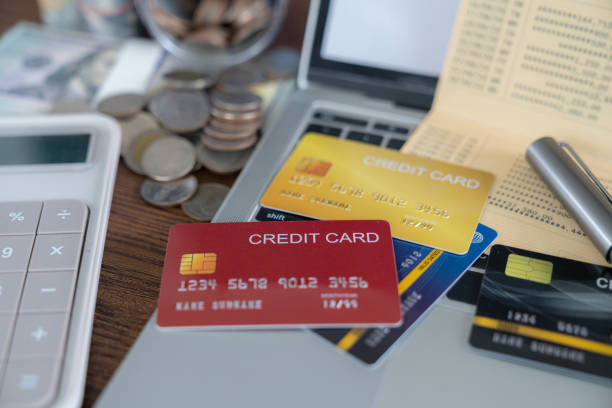
 Let’s talk about something that might seem boring but is actually a huge secret weapon: paying your bills on time. I know, it doesn’t sound as exciting as a new video game or a cool app. But trust me, this simple habit is one of the most powerful things you can do for your future. It’s like showing the world you are reliable and can be trusted.Think of it this way. When you borrow a friend’s stuff and return it exactly when you said you would, what happens? They trust you more. They are probably happy to lend you something again next time. Paying your bills works the same way, but with companies. Every time you pay your phone bill, your streaming service, or your credit card bill by the due date, you are sending a message. You are telling the phone company, the streaming service, and the bank, “I keep my promises.” This builds your reputation, which is what people call your credit history.Now, why does this reputation matter so much? Because later in life, when you want to do big things like rent your first apartment, buy a car, or even get a cell phone plan in your own name, companies will check that reputation. They look at your credit report, which is basically a report card of how you handle your bills. If they see a long list of on-time payments, they smile. They see you as a safe bet. This makes them more likely to say “yes” to you. They might also offer you better deals, like lower interest rates, which just means you pay less extra money when you borrow.On the flip side, what happens if you pay late? It’s like returning your friend’s bike a week late and with a flat tire. That trust takes a hit. Late payments get marked on that same report card, and they stick around for a long time. Companies see those marks and get nervous. They might think, “If this person didn’t pay their small electric bill on time, will they pay us back?” This can lead to them saying “no” to you, or only saying “yes” if you pay much higher fees. It makes everything harder and more expensive.The good news is, you are totally in control of this superpower. You don’t need to be a math genius. You just need a system. You can mark due dates on a calendar, set reminders on your phone, or even use your bank’s automatic payment system to pay the bill for you each month. The method doesn’t matter as much as the result. The goal is to make paying on time a no-brainer, a habit you don’t even have to stress about.So, start where you are. If you have a bill in your name, like a phone bill, treat that due date as the most important appointment of the month. Guard your reputation with every payment. By doing this one simple thing, you are building a strong foundation for your future. You are proving you are trustworthy, and that is a superpower that will open doors for you for years to come. Your future self will absolutely thank you for it.
Start by treating your card like cash. Don’t leave it lying around. Keep it in a wallet or a safe spot in your bag. When you use it, shield the keypad with your hand when you type your PIN so no one can see it. Never lend your card to friends, and be careful about who you give your card number to, especially online or over the phone.
The absolute best habit is to always pay every bill on time, every single month. Your payment history is the biggest factor in your score. Setting up automatic payments or calendar reminders can help you never forget. This one habit shows lenders you are reliable over a long period. Even if you can only pay the minimum amount some months, getting that payment in on time does more good for your score than almost anything else.
Use it the right way by making small, planned purchases you can already afford with the money in your bank account, like a monthly streaming service or gas. Then, pay the entire “statement balance” by the due date every single month. This avoids all interest charges and builds great credit. Never max out your card; try to use less than 30% of your limit. Set up payment reminders so you never forget.
Paying more than the minimum is a superpower for your credit! It helps you pay off your debt much faster and saves you a ton of money on interest charges. This lowers your “credit utilization,“ which is a big factor in your credit score. Think of it as taking a shortcut out of debt instead of walking the long, expensive path.
Your score can drop almost immediately after you’re 30 days late. Credit card companies and lenders typically report to the credit bureaus once a month. If your payment is late when they send their report, that negative mark gets added right away. There’s usually no grace period once you hit that 30-day mark. This is why it’s so important to contact your lender the moment you know you’ll be late—they might offer a one-time courtesy.