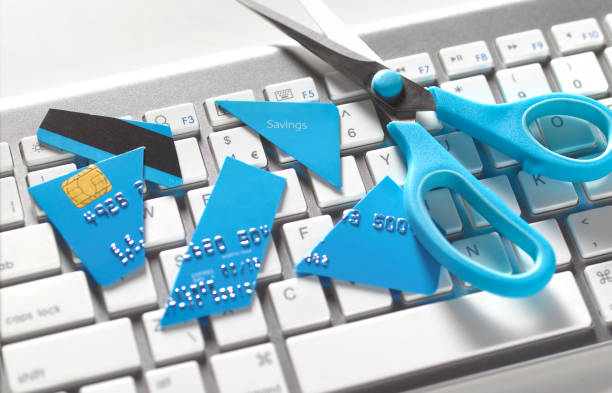
 Imagine your credit is like a bike you just got. You wouldn’t leave it outside without a lock, right? Setting up alerts for your accounts is like putting a lock on that bike. It’s a simple tool that watches your credit for you, so you don’t have to worry all the time. This is one of the easiest ways to take charge of your credit story.So, what are these alerts? Think of them as little text messages or emails sent straight to your phone. They tell you when something important happens with your money. For example, you can get an alert if a big purchase is made on your card, or if someone tries to open a new account in your name. It’s like having a guard who taps you on the shoulder to say, “Hey, you should look at this.”Getting started is super easy. First, log into the website or app for your bank or credit card company. Look for a section called “Alerts,” “Notifications,” or “Account Settings.” Don’t be afraid to click around or use the help button. Once you find it, you get to choose what you want to be told about. Good alerts to start with are for any purchase over a certain amount, like fifty dollars. You can also set one for when your payment is due, so you never forget and get a late fee. Another great one is an alert for when your card is used without the physical card being present, like for an online order. This can help you spot fishy activity fast.The best part about these alerts is that they help you catch mistakes or problems right away. Maybe you see a charge for a pizza place in another state, but you’re at home. With an alert, you’d see that the minute it happens. You can then call your bank to report it, and they can stop the thief before they do more damage. This protects your money and your credit score from taking a hit. It also helps you watch your own spending. Getting a text every time you buy something makes you think twice, which is great for staying on budget.Using alerts is a powerful habit for building strong credit. It doesn’t cost any money, and it only takes a few minutes to set up. You are putting a simple tool to work, giving you peace of mind. You’re not just hoping your credit stays safe; you’re actively guarding it. So take that small step today. Set up those alerts and make watching over your credit a normal part of your routine. Your future self, with great credit, will thank you for it.
Look for an app that is truly free (no trial that charges you later), updates your score regularly, and explains why your score changes. It should also send alerts for important changes on your report, like new accounts. Read reviews to ensure it’s safe and legitimate. Remember, these apps are tools to help you understand, not fix, your credit.
Sometimes the bank might close it due to inactivity. If this happens, don’t panic. Your score might dip, but the account will stay on your credit report for up to 10 years, still helping your history length. Focus on using your other cards responsibly. Make all payments on time and keep balances low. Your score will recover over time. The lesson is to always use your old card a little to prevent this.
The credit bureau will investigate by contacting the company that provided the information. That company must check its records and report back. Once the investigation is done, the bureau must give you the results in writing. If the information is wrong, they must fix or delete it. They will also send you a free copy of your updated report if the dispute changes anything.
No, checking your own credit report is a smart move and does not hurt your score at all. This is called a “soft inquiry,“ and it’s just for your information. You should check your reports from the three major bureaus at least once a year for free at AnnualCreditReport.com. What can hurt your score is when a lender checks your credit because you applied for a new loan or credit card (a “hard inquiry”). So, go ahead and check yours—it’s like getting a grade without it affecting your average.
Don’t panic, but have a plan. First, try to pay down the extra amount as fast as you can, even before your monthly bill comes. You can make multiple payments in a month. This can lower the balance that gets reported. Second, avoid making more purchases until the balance is back down. The key is to not let a high balance stick around for more than one billing cycle.