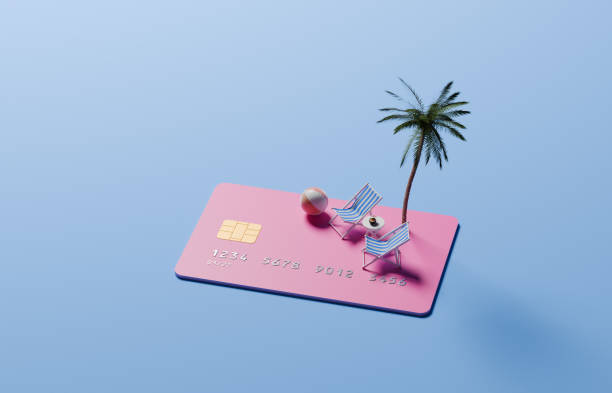
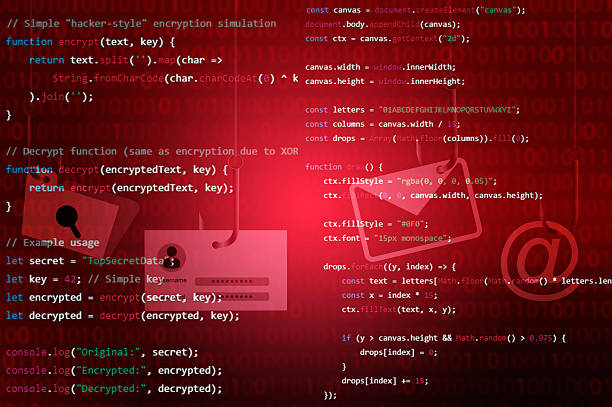
 Getting your first credit card is a really exciting moment. It feels like a key to new possibilities, and in a way, it is. But just like you wouldn’t leave your house key lying around for anyone to grab, you have to protect your credit card with the same care. Keeping it safe is the most important part of using it wisely and building great credit from the start.Think of your credit card number, that little three-digit code on the back, and your PIN as super-secret passwords. You wouldn’t shout your computer password across the cafeteria, right? The same rule applies here. Never share these numbers with friends, even if they promise to pay you back right away. A real friend will understand when you say, “Sorry, I can’t share my card info.“ If you’re shopping online, only type your details into websites that you know are real and secure. Look for the little lock symbol next to the website address.Your actual plastic card needs protection, too. Keep it in a wallet or a specific spot in your bag, not loose in your pocket where it can easily fall out. When you’re out, try not to let the card leave your sight. If a store clerk walks away with it to ring it up, that’s okay, but just keep an eye out. And when you get your receipt, take it with you! Don’t leave a paper trail with the last few digits of your card number sitting on a restaurant table or in a shopping bag.In today’s world, a lot of danger happens on screens, not in person. Be super careful about emails or texts that say there’s a problem with your card and ask you to click a link. This is almost always a scam, called “phishing.“ Your real bank will never ask for your full password or PIN through an email. If you’re ever unsure, don’t click anything. Instead, call the customer service number on the back of your actual card to check.Finally, make a simple habit of checking your account. You can do this on your phone with your bank’s app. Once a week, just take two minutes to look at the list of charges. Do you recognize every single one? If you see a charge for something you didn’t buy, even for a small amount, tell your parent or guardian right away and then call the card company. Catching a mistake or fraud quickly is the best way to stop it.Protecting your card isn’t about being scared; it’s about being smart and in control. By keeping your card and its information secure, you’re not just avoiding trouble—you’re proving that you can handle this responsibility. That’s what building good credit is all about: showing you can manage your money safely and wisely. You’ve got this
The biggest things that hurt your score are paying bills late and borrowing too much money. If you max out your credit cards or are constantly late on payments, your score will drop. Other negatives include having too many new credit applications in a short time, defaulting on loans, or having accounts sent to collections. These actions signal to lenders that you might be a risky person to lend money to.
No, checking your own credit score does NOT hurt it. This is called a “soft inquiry,“ and it has zero impact. It’s smart and responsible to check on your own information. What can cause a small, temporary dip is a “hard inquiry,“ which happens when a lender checks your report because you applied for a new loan or credit card. So, feel free to monitor your own score as much as you want—it’s a great habit that shows you’re paying attention.
It’s a free service your bank or credit card company provides to show you your credit score. Think of it like a report card for how you handle borrowed money. You can usually find it by logging into your bank’s website or mobile app. It’s often on your account dashboard or in a section called “financial tools” or “credit health.“ It’s a super easy way to keep an eye on your score without having to pay for it or hurt your score by checking.
The main “catch” is that you cannot use the money until you’ve paid the loan off. You need to be sure you can stick to the payment schedule for the full term. Also, while interest rates are generally low, you are paying some interest for this service. If you miss a payment, it will hurt your credit score just like any other loan. So, only sign up if the monthly payment fits easily into your budget.
Good credit is like a helpful friend when you’re getting ready for your family to grow. It can help you get a safer, more reliable car with a better loan rate. It can also help you rent a bigger apartment or get a mortgage for a house without a huge down payment. When your credit score is strong, lenders see you as responsible, which means they offer you lower interest rates. This saves you money every month, money you can use for diapers, baby clothes, and all the new things you’ll need.