

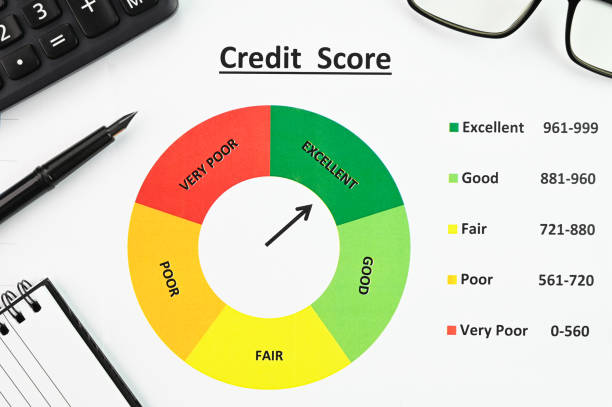
 Think of your credit score like a grade you get for how you handle borrowed money. It’s a three-digit number that tells banks and other companies how trustworthy you are with loans and credit cards. This number is super important because it follows you around when you want to do big things in life, like renting an apartment, buying a car, or even getting a cell phone plan. A good score opens doors, while a low score can make things harder and more expensive.So, how do you get this score? Companies called credit bureaus keep a report on your money habits. Every time you borrow money or use a credit card, they write it down. They look at a few key things to decide your score. The biggest thing they check is if you pay your bills on time. Paying late, or not paying at all, hurts your score a lot. It’s like turning in homework late to a teacher—it doesn’t look good.Next, they look at how much money you owe compared to how much you could borrow. Let’s say you have a credit card with a limit of one thousand dollars. If you owe nine hundred dollars on it, that’s using almost all of your available credit, and that can lower your score. It’s better to only use a small part of what you’re allowed to borrow. They also see how long you’ve had credit accounts open. Having a credit card for a long time and using it wisely helps your score grow, just like a strong, old tree has deep roots.They also check if you’ve been applying for lots of new loans or credit cards all at once. Doing that can make you seem desperate for money, which is a red flag. Finally, they look at the mix of credit you have, like a student loan and a credit card. Having different types that you manage well can help a little bit.Your goal is to build a high score. A high score tells a lender, “You can trust me! I will pay this back as promised.“ When they trust you, they say yes to your loan and might even give you a lower interest rate, which means you pay less money over time. A low score makes lenders nervous. They might say no to your loan, or they might say yes but charge you a much higher interest rate because they see you as a bigger risk.The great news is your credit score isn’t permanent. It changes all the time based on what you do. You are in control. By understanding what makes up your score, you can make smart choices. Pay every bill on time, every time. Try to keep your credit card balances low. Only apply for new credit when you really need it. Be patient and consistent. Building a strong credit score is a marathon, not a sprint. It takes time and good habits, but the payoff is huge—it’s the key to unlocking your financial future.
The single most powerful thing you can do is pay every bill on time, every single time. Payment history is the biggest factor in your credit score. Set up reminders or automatic payments so you never forget. Even being just 30 days late can stay on your report for years and really hurt you. Consistent, on-time payments show lenders you are responsible and can be trusted with more credit.
Automatic bill payments are when you give a company permission to take money from your bank account each month to pay a bill. You should use them because they are the best way to never, ever miss a payment. Since your payment history is the biggest factor in your credit score, setting this up is like putting your credit score on autopilot for success. It takes a huge worry off your plate and builds a perfect payment record over time.
Even being a little late can hurt. Most companies report late payments to credit bureaus after 30 days past the due date. However, you might still get hit with a late fee from the company itself. Life happens, so if you miss a date, pay it immediately. Then, call the company, explain, and ask if they can waive the fee as a one-time courtesy.
When you first get approved for the loan, your score might dip a little. This happens because the lender does a “hard inquiry” to check your credit, which shows up on your report. It’s a small, temporary drop. Think of it like a small speed bump—you slow down for a second, then keep going. The important thing is that you now have a chance to build great credit by making all your payments on time.
Yes, it very likely could. Closing any card can hurt, but closing your oldest one is a double whammy. It shortens your credit history and also reduces your total available credit. This can increase your “credit utilization,“ which is how much of your limit you use. A higher utilization can lower your score. Even with other cards, that oldest account is a big part of your credit story.