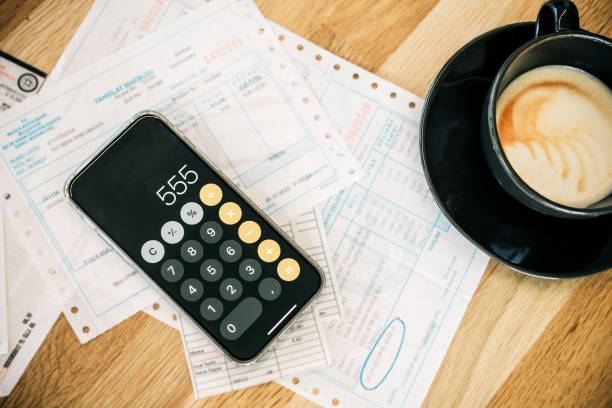

 You pay your rent on time every single month. That shows you are responsible with a big, important bill. But did you know that payment might not be helping your credit score? For most people, it does not. That’s because your landlord usually does not tell the credit bureaus about your payments. The credit bureaus are the companies that keep track of your credit history. But there are new ways to change this. You can now report your rent payments to help build your credit, and you don’t need a credit card to do it.Think of your credit report like a report card for your bills. When you pay a loan or a credit card bill on time, it gets marked as a good grade on that report card. This good history is what makes your credit score go up. A higher credit score helps you later when you want to do important things, like buy a car or get your own apartment. Rent is often your biggest monthly payment. It makes sense that paying it on time should count for something. By getting your rent payments reported, you add another good mark to your report card every month.So, how do you make sure your rent payments get reported? You usually can’t just tell the credit bureaus yourself. You need to use a special service. Some services work directly with you, and some work with your landlord. You sign up and connect your bank account so the service can see your rent payments. Then, the service tells the major credit bureaus, like Experian, Equifax, and TransUnion, that you paid your rent on time. It’s like having a friend tell the teacher about all your good homework.Getting started is pretty simple. First, you can ask your landlord if they already report rent payments for their tenants. If they say no, you can look online for a rent reporting service. You will need to pay a small fee, either every month or once a year, for the service to do the reporting for you. It’s important to pick a service that reports to all three major credit bureaus to get the most benefit. Once you are set up, your on-time payments will start building your credit history automatically.This is a powerful tool for anyone who wants to build credit but does not want to use a credit card. It uses a bill you are already paying. It proves you are reliable with your money. Over time, those consistent rent payments can help create a strong, positive credit history. This can open doors for your future. So, if you’re faithfully paying your rent each month, make sure you’re getting credit for it. It’s a simple step that turns your everyday responsibility into a tool for a better financial future.
First, check your personal details like your name and address for mistakes. Then, look at your accounts. Make sure every loan and credit card listed is actually yours. The biggest thing to check is the payment history. Look for any late payments marked that you believe you paid on time. Finally, check for accounts you don’t recognize, which could be a sign of identity theft.
Usually, no. Closing old cards can actually hurt your score. It lowers your total available credit and can shorten your credit history length, which are both important factors. Even if you don’t use an old card, consider keeping it open (just cut it up if you’re tempted to spend). A long history of an account in good standing is helpful for your score.
Your credit score matters more now because you’re likely making big financial moves. Think about applying for a mortgage, getting a lower rate on a car loan, or even starting a business. A great score saves you thousands of dollars in interest. It can also affect things like insurance rates. In middle age, you have a long credit history, which is powerful. Protecting that long, good history is key to keeping your financial options wide open and affordable.
Your phone can be a great tool for safety. Set up alerts so your bank texts you for every purchase. This way, you’ll know instantly if something is wrong. Many banks also let you “freeze” your card right from their app if you just misplace it, then “unfreeze” it if you find it. Using your phone to pay (like with Apple Pay or Google Pay) can also be safer than swiping your physical card.
Think of your card like the key to your money. If someone steals it, they can use it to buy things with your money. Keeping it safe stops thieves from making charges you didn’t approve. Always know where your card is, just like you would with your phone or house key. If it’s lost or stolen, you must tell your bank right away to stop anyone else from using it.