today
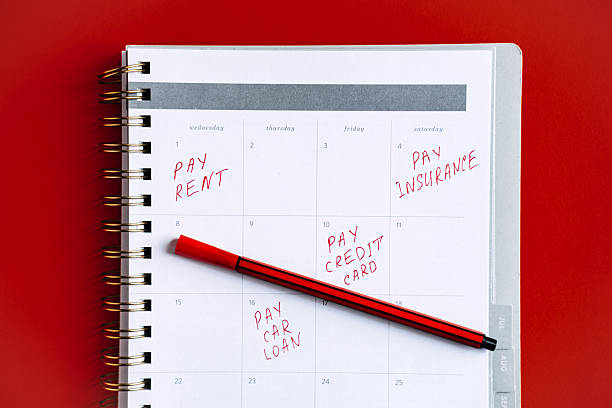
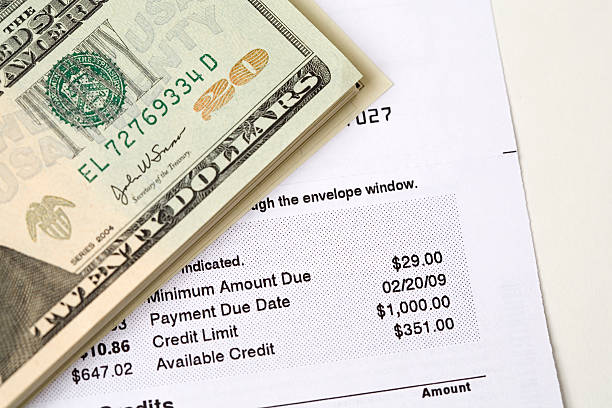
When you’re between 26 and 35, your credit score starts to matter in bigger ways. You might be renting an apartment, financing a car, or thinking about buying a home. You might also be recovering from a few financial mistakes you made in your early twenties. That’s totally normal. The good news is that this is a perfect time to set clear credit goals and make real progress for many people. You don’t need a finance degree to do it. You just need a plan and a little patience.First, figure out where you stand today. Pull your free credit reports from AnnualCreditReport.com and check your score from a bank or credit card app. Don’t worry if the number isn’t where you want it to be. The point is to have a starting line. Once you know your current score and what’s on your reports, you can pick a goal that makes sense for your life. A common goal for this age group is moving from a “fair” score (around 580 to 669) to a “good” score (670 to 739). Or if you’re already in the good range, maybe you want to push into “very good” (740 to 799). Whatever you choose, make it specific. “Improve my credit” is too vague. “Raise my score by 40 points in six months” gives you something to work toward.Next, focus on the parts of your credit you can control. Payment history is the biggest factor, so set up automatic payments for every bill. One late payment can stick around for years, so consistency matters more than anything else. If you’ve missed payments in the past, start making on-time payments now. The negative marks will fade over time, and your recent good behavior will start to count more. Another big factor is how much of your available credit you’re using. Try to keep your balances below 30 percent of your limits. If you have a $1,000 limit, aim to keep the balance under $300. If you’re above that, work on paying down the balance a little each month. You don’t have to pay it all off at once, but a plan helps.For ages 26 to 35, another smart goal is to avoid closing old credit card accounts. Length of credit history helps your score, so keeping older accounts open—even if you barely use them—can give you a boost. Just make sure you’re not tempted to overspend. Use a small recurring charge, like a streaming service, and pay it off automatically each month. That keeps the account active without adding debt. Also, think about your credit mix. Lenders like to see that you can handle different types of credit, like a credit card and an auto loan. You don’t need to take on debt just to improve your mix, but if you’re already planning to finance a car or a furniture purchase, that can help over time.At this stage in life, your credit goals should also connect to bigger plans. If you want to buy a house by 35, your goal might be to get your score into the 740 range and save for a down payment. If you want to rent a nicer apartment, a score above 670 can help you avoid extra deposits. Write down your goal and check your progress every three months. Life gets busy, so set reminders on your phone. Celebrate small wins, like dropping your credit card balance by $500 or hitting a new score milestone. A simple spreadsheet or a notes app on your phone works fine for tracking. You don’t need fancy software.Finally, protect what you’ve built. Check your credit reports regularly for errors or signs of identity theft. You can get free reports weekly from AnnualCreditReport.com. If you see something wrong, dispute it with the credit bureau. And be careful with new credit applications. Each hard inquiry can ding your score a little, so only apply for credit when you really need it. Remember that credit building is a marathon, not a sprint. Small, steady steps add up. By setting realistic goals and staying consistent, you can build a strong credit profile that serves you well for years to come.You should check it about once a month. Checking your own score through your bank does NOT hurt it—that’s a myth! A monthly check lets you see if your good habits are paying off. It also helps you catch mistakes or fraud quickly. Think of it like a monthly health check-up for your finances. Just set a reminder on your phone to log in and take a quick look. It only takes a minute.
Closing an old credit card, especially your first one, can actually lower your score. It reduces your total available credit, which can make your overall credit usage look worse. It also shortens your credit history length, which is important for your score. Unless the card has a high annual fee, it’s often better to just stop using it and keep the account open.
Alerts are a secret weapon for good credit because they help you avoid costly mistakes. Payment reminders make sure you never pay a bill late, which is the biggest factor for your score. Balance alerts help you keep your credit card spending low compared to your limit, which lenders love to see. By helping you stay organized and spot errors quickly, alerts put you in the driver’s seat for building a strong credit history over time.
Look at your budget. Find even a small, comfortable amount you can add to your payment every month. Set up an automatic payment for that new, higher total. This way, you don’t have to think about it each month. Start with what you can, and try to increase it whenever you get a little extra cash, like a tax refund or birthday money.
The biggest mistake is making late payments. Payment history is the most important part of your score. Even one payment 30 days late can hurt your score for years. Set up automatic payments for at least the minimum amount due. Life gets busy, so let technology help you protect your score. Always know your due dates and make paying on time your top priority.