
1 day ago
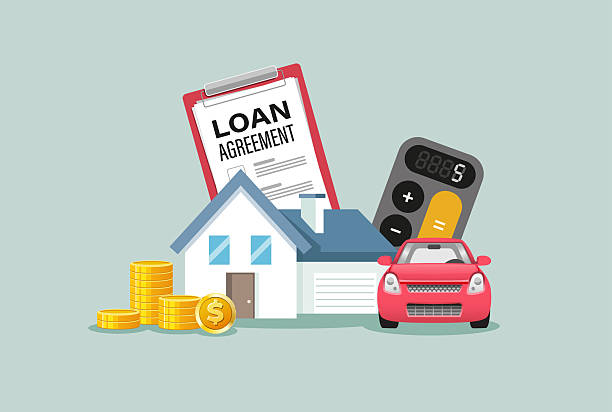
If you want to build credit but don’t want another credit card, a credit-builder loan can be a practical option. It is a type of secured loan, meaning the lender holds your own money as collateral. You don’t get cash up front. Instead, the lender puts the loan amount into a savings account or certificate of deposit. You make fixed payments over a set period, usually six to twenty-four months. Each on-time payment is reported to the credit bureaus. When the loan is paid off, you get access to the money in the savings account, sometimes minus fees. The result is a record of steady payments that can help your credit score, even if you have no credit card history.Credit-builder loans are designed for people who are new to credit or repairing past damage. Because the lender is not taking much risk, approval is often easier than for an unsecured personal loan. Many credit unions and online lenders offer them. Some require a small deposit or membership fee. The key is that the lender reports your payments to at least one major credit bureau, and ideally all three. Without reporting, the loan won’t help your credit score. Before you sign up, ask which bureaus the lender reports to and how often. Also ask whether the loan appears as an installment loan on your report. Installment loans are different from credit cards, which are revolving accounts. A mix of account types can help your score over time, but payment history is the biggest factor.The way you use a credit-builder loan matters. Treat it like a bill. Set up automatic payments from a bank account so you don’t forget. Late payments can hurt your credit, and some lenders charge fees. Choose a loan amount and monthly payment that fit your budget. A smaller loan that you pay on time is better than a larger loan you struggle to afford. Also look at the total cost. Credit-builder loans often have interest rates and fees. Compare the annual percentage rate, any application fee, and any fee to access your savings at the end. Some programs refund interest or fees after you finish, but not all do. Read the loan agreement in plain terms. If the numbers don’t make sense, ask a representative to explain them before you commit.A credit-builder loan is not the only secured loan that can help. Some banks offer secured personal loans backed by a savings account or CD. Auto loans are also secured by the car, and they can build credit if you make payments on time. But credit-builder loans are often simpler because there is no car purchase and no need for a credit card. They also keep your savings locked away, which can prevent you from spending the money before the loan is done. That structure can help you practice the habit of making payments on time.There are limits to what a credit-builder loan can do. It won’t erase late payments or collections from your past. It won’t replace a budget or fix overspending. It is one tool for building a positive payment history. If you already have damaged credit, focus on catching up on past-due accounts and keeping new accounts current. If you have no credit history, a credit-builder loan can give lenders and landlords something to look at. Pair it with other good habits, like paying bills on time and keeping your credit utilization low if you do use cards. Check your credit reports for free and dispute errors. Keep your oldest accounts open if they don’t charge fees. These steps matter as much as the loan itself.Before choosing a credit-builder loan, compare at least two or three lenders. Look for clear reporting, low fees, and a payment you can handle. Ask what happens if you miss a payment and whether you can pay off early without a penalty. Make sure you understand when you get your savings back. A credit-builder loan is not free money, and it is not a quick fix. But for someone who wants to build credit without a credit card, it can be a steady, structured way to show lenders you can pay on time.Alerts are a secret weapon for good credit because they help you avoid costly mistakes. Payment reminders make sure you never pay a bill late, which is the biggest factor for your score. Balance alerts help you keep your credit card spending low compared to your limit, which lenders love to see. By helping you stay organized and spot errors quickly, alerts put you in the driver’s seat for building a strong credit history over time.
Absolutely! This trick works for every single bill you have. Use it for your car payment, your student loan, your phone bill, and even your rent. You can also use it for important non-bill dates, like when you plan to check your credit report for free every year. Treating all your financial deadlines the same way builds a powerful, simple habit that keeps your entire money life organized.
You can get a free copy from each of the three major companies—Equifax, Experian, and TransUnion—once every year. The only official website to do this is AnnualCreditReport.com. It’s safe and approved by law. Don’t use other sites that try to charge you. Checking your own report this way does NOT hurt your credit score. It’s a smart habit to check all three, as they might have slightly different information.
The biggest risk is losing the item you put up as collateral. If you miss too many payments, the lender has the right to take that car or savings to get their money back. This can hurt your finances and your credit score. Also, just like any loan, you’ll pay interest, so you will pay back more than you borrowed. It’s crucial to only borrow what you can easily afford to pay back every month.
Your credit limit is the maximum amount of money your credit card company says you can borrow at one time. Think of it like a financial guardrail. It’s not a goal to hit or a suggestion for how much to spend each month. Knowing this number is your first step to using your card wisely and avoiding the stress of maxing it out, which can hurt your credit score.