3 months 3 weeks ago
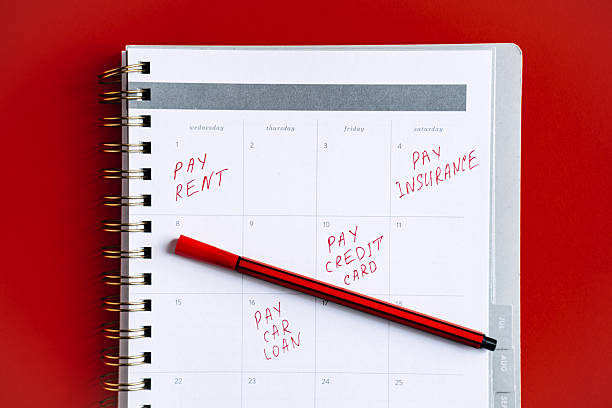
The most common reason people miss a bill due date isn’t because they don’t have the money. It’s because the money arrives at the wrong time. Your rent is due on the 1st, but you get paid on the 15th and the 30th. Your credit card payment lands on the 12th, but your paycheck doesn’t clear until the 16th. You look at your account balance, see zero, and decide to wait. Then life happens, and the payment slips away. The fix is simpler than you think: change the due dates so they match your cash flow.Most companies let you pick your own payment due date. This includes credit cards, utilities, internet, phone, and even some loans. You just need to call and ask, or log into your online account and look for “change due date.“ This is not a special favor. It’s a standard feature. Once you have your payday schedule in front of you, assign each bill a due date that comes two or three days after you get paid. For example, if your paycheck lands on the 1st and the 15th, put your rent, car insurance, and streaming services on the 3rd or 4th. Put your credit card, phone, and electric bill on the 17th or 18th. That gives your direct deposit time to process. Now every bill has a matching paycheck.Why does this work? Because it removes the hardest part of paying bills: the decision. When you know money is coming in before money goes out, you don’t have to do any mental gymnastics. You see a balanced account, and you click “pay.“ There’s no stress about overdrafting or waiting for a transfer. The timing does the work for you. This is especially helpful for people who live paycheck to paycheck. Instead of juggling due dates in your head, you create a rhythm that mirrors your income. It’s the easiest way to never miss a due date because you’re never asking your bank account to do something impossible. And when you never miss a payment, your credit score gets a steady boost. Payment history is the biggest piece of your score, so every on-time bill is building a better financial future.But don’t just set the due date and forget it. You still need to check that the payment actually went through. A great trick is to put a reminder on your phone for the morning after each due date. Just a quick look at your bank app to confirm the money left. You can also set two reminders: one for the day before, and one for the morning after. That’s enough to catch any weird issues, like a payment failing because you put in the wrong card number or the due date ending up on a weekend. No need to obsess over every transaction. A simple 30-second check gives you peace of mind without turning bill paying into a part-time job.Another big advantage of aligning due dates with paychecks is that you can plan for irregular bills. Annual subscriptions, car registration, and holiday gifts don’t come every month. But you can still align them by creating a simple “buffer” in your checking account. If you normally use 90% of each paycheck for bills and everyday spending, try to leave a small cushion of $100 or $200. Then set that irregular bill to be due right after a payday. The cushion absorbs the surprise, and the payday refills it. Over time, that cushion grows because you’re not paying late fees or over-limit charges anymore. Missing a due date often costs $25 to $40 per bill. If you miss two or three in a year, that’s a good chunk of money that could go into savings instead of going straight to a company as a penalty.There’s also a mental side to this. When your due dates match your paydays, your whole month feels more organized. You’re not constantly anxious about what’s coming out next. You know that every bill is tied to a specific paycheck. This reduces the temptation to spend your bill money on something else because that money is assigned before it even hits your account. You can even set up automatic minimum payments for each bill, so you never have to worry. But keep the due dates aligned anyway, because auto-pay doesn’t help if the money isn’t there. Automation is a great backup, not a substitute for having the right timing.One last tip: when you change a due date, do it in stages. Don’t try to move five bills at once. Start with your two largest bills, get those comfortable, then move the next ones. Also, ask about fees for changing the date. Most companies do it for free, but a few old-school ones might charge a small fee. Skip those and just mark them on your calendar until you can switch to a more flexible provider. And if your employer offers direct deposit, that’s the best foundation for all this. The faster your paycheck clears, the more reliable your due-date alignment becomes.Missing a due date isn’t a moral failure. It’s a timing problem. And timing problems have engineering solutions. Line up your bills with your income. You’ll pay on time more often, keep your credit score healthy, and stop kicking yourself for mistakes that were actually just a calendar issue. So take one small step today. Pick one bill, call your provider, and move that due date. Your future self will thank you.A starter card is your first step into using credit. It’s made for people who are new to credit or are trying to build it from scratch. These cards usually have lower credit limits and simpler rules to help you learn. Think of it like training wheels for a bike. They help you get the hang of spending responsibly and paying on time without giving you too much spending power right away. Using one well is the best way to build a strong credit history.
Credit Sesame is great for a broad view. It provides a free credit score and monitors your report from one bureau. For a complete picture, you should also use AnnualCreditReport.com. That’s the official site where, by law, you can get a free report from all three bureaus once every week. Use them together for the best monitoring.
Use it the right way by making small, planned purchases you can already afford with the money in your bank account, like a monthly streaming service or gas. Then, pay the entire “statement balance” by the due date every single month. This avoids all interest charges and builds great credit. Never max out your card; try to use less than 30% of your limit. Set up payment reminders so you never forget.
Focus on the one card you have or the one new card you get. Use it for small purchases and pay the full balance on time every single month. This builds a fantastic payment history, which is the biggest factor for a good credit score. Let your good habits with one or two cards build your score slowly and steadily.
The biggest mistake is hurting your own credit score in the process. Only help in ways you can manage perfectly. If you add them as an authorized user, you must pay your bill on time. If you co-sign, you must be ready and able to pay the entire debt. Your financial health comes first. Set clear rules, like if they have a card, they must pay you back immediately for any charges.