1 week 1 day ago
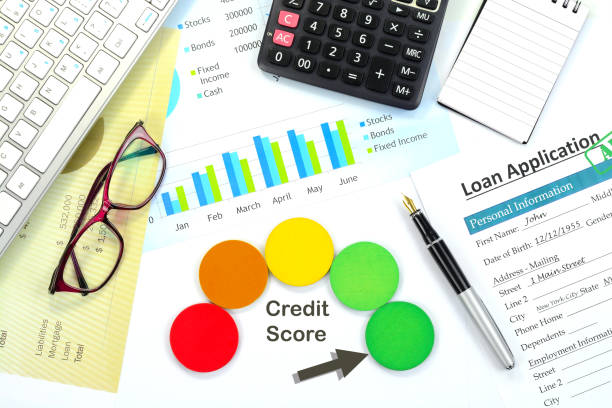
Credit score tracking apps can be useful, but the App Store has dozens. Some are free, some want subscriptions. The right one depends on what you want: a simple score, full report, alerts, or help building credit. The goal isn’t to check your score every hour. It’s to know where you stand, spot problems early, and make better decisions.First, understand that not all scores are the same. You have many credit scores. Lenders may use FICO or VantageScore. Each credit bureau can produce different scores because they have different data. An app might show a VantageScore from TransUnion. Your mortgage lender might pull a FICO score from Equifax. Both can be useful, but they may not match. Don’t panic if the number in the app is different from a lender’s number. Use the app to track direction, not to predict the exact score a lender will see.Look at what the app actually offers. A basic score tracker shows one score and updates monthly or weekly. A stronger app includes a free credit report summary, alerts when something changes, and explanations for why your score moved. Some apps also offer credit-building tools like reporting rent or utility payments, or a secured card. If you just want a quick check, free is fine. If you’re repairing credit or preparing for a big loan, you may want more detail.Watch out for paid subscriptions that promise to boost your score. Some services are legit, but they may charge monthly for things you can do yourself. You can get free scores from many banks, credit unions, and credit card issuers. You can also get free weekly reports from the official free credit report site. A score tracking app should add convenience, not replace your own review of the actual report. The report shows the accounts and inquiries behind the number. The score just summarizes it.Privacy matters. You’re handing over personal information like your name, address, Social Security number, and financial accounts. Before you sign up, read the privacy policy in plain language. Look for whether the app sells your data, shares it with marketers, or uses it for targeted ads. A free app still has to make money somehow. Sometimes it’s through ads, sometimes through premium upgrades, sometimes through referrals. That’s not automatically bad, but you should know the trade-off. Use a unique password and turn on two-factor authentication if available.Alerts are one of the most useful features. A score tracking app can tell you when a new account appears, when your balance changes, or when someone checks your credit. That helps you catch identity theft or errors early. But alerts can also make you anxious. A small drop might happen because you used more of your credit limit this month. That’s normal. If you pay it down, the score often recovers. Try not to react to every notification. Check in once a week or once a month, unless you’re actively fixing a problem.The best app for you is one you’ll use. Some people like a clean dashboard with a single score. Others want charts, breakdowns, and simulator tools. Pick an app that fits your habits. If you hate logging in, choose one with widget or email summaries. If you’re forgetful, choose one with customizable alerts. If you’re working on debt, choose one that shows utilization and payment history clearly. Those two factors usually matter most for your scores.Don’t let the app become your financial advisor. It can show you patterns, but you still make the moves. Pay every bill on time. Keep credit card balances low compared to your limits. Don’t close old cards just because you’re not using them. Apply for new credit only when you need it. These habits do more for your score than any app feature. The app is a tool, like a fitness tracker. It doesn’t get you in shape by itself. It just shows you the data.Choose an app that respects your privacy, explains changes clearly, and fits your routine. Check it regularly, but not obsessively. Your habits matter more than the app. If you use it as a guide, it can help you stay on track without adding stress.A secured card requires a cash deposit you pay upfront, like $200. That deposit acts as your credit limit and protects the bank if you don’t pay. An unsecured card doesn’t need a deposit; the bank gives you a limit based on trust. Both types report to the credit bureaus and help you build credit. Secured cards are often easier to get for your very first card. The key for both is to pay your bill in full and on time every single month.
No, checking your own credit report is a smart move and does not hurt your score at all. This is called a “soft inquiry,“ and it’s just for your information. You should check your reports from the three major bureaus at least once a year for free at AnnualCreditReport.com. What can hurt your score is when a lender checks your credit because you applied for a new loan or credit card (a “hard inquiry”). So, go ahead and check yours—it’s like getting a grade without it affecting your average.
The biggest mistake is giving up and letting more payments become late. One late payment is a problem; a pattern of them is a disaster for your score. Don’t ignore it! Instead, get current and stay current. Set up automatic payments or calendar reminders for all your bills. Your consistent, on-time payments from this point forward are the most powerful tool you have to rebuild your score after a slip-up.
Get a secured credit card. You put down a cash deposit (like $200) which becomes your credit limit. Use it for small, regular purchases, like groceries or gas, and pay the full balance on time every single month. This reports positive payment history to the credit bureaus. Also, ask if your landlord uses a rent reporting service. Doing both at once gives you two streams of positive history.
You don’t need a perfect score, but higher is always better. Many loans require a minimum score of 620, but that’s just to get in the door. To get the best rates and loan options, you should aim for a score of 740 or above. If your score is below 620, you’ll likely have a very hard time getting approved by most lenders. Don’t guess—check your score for free online well before you start house hunting so you know where you stand.