

2 months 1 weeks ago
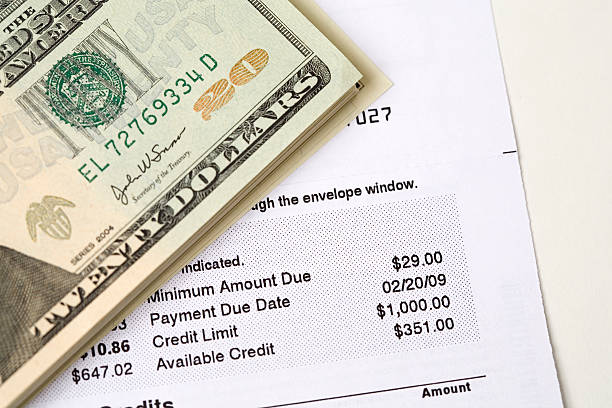
Your credit score is a number that tells lenders how risky it is to loan you money. When that number is low, you feel it in higher interest rates, denied applications, and even trouble renting an apartment. The good news is that you don’t always need months or years to improve your score. One of the fastest ways to see real movement is by paying down the balances on your credit cards. This isn’t a magic trick. It’s about understanding how credit scoring works and then using that knowledge to your advantage.The most important factor you can control in a short amount of time is your credit utilization ratio. That’s a fancy way of saying how much of your available credit you’re actually using. If you have a card with a $1,000 limit and you owe $900, your utilization is 90%. If you owe $200, it’s 20%. Credit scoring models look at this number closely because it shows whether you’re relying too heavily on borrowed money. High utilization signals risk. Low utilization signals that you manage credit well. In general, staying under 30% is good, but under 10% is even better for your score.Here’s the thing: your utilization is calculated based on the balance reported to the credit bureaus, often on your statement date. That means you don’t have to wait until you pay off the entire bill to see an improvement. Even paying a chunk of what you owe before that statement date can lower your reported balance. For example, say you owe $800 on a card with a $1,000 limit. If you pay $500 before the statement closes, your reported balance drops to $300. That takes your utilization from 80% down to 30%. Just like that, your score can jump by dozens of points in a single billing cycle.The simplest approach is to pay more than the minimum each month. The minimum payment keeps you from getting late fees, but it barely puts a dent in what you owe. Most of your payment goes toward interest, not the actual debt. To make a real difference, you need to send in as much as you can afford, even if it hurts a little. Cut back on eating out, skip a few streaming subscriptions, or pick up a side gig for a month. Every extra dollar you throw at that card lowers your utilization and raises your score.Another fast strategy is to make a mid-cycle payment. You don’t have to wait until the due date. Log into your credit card account once a week and see what you owe. If you have the cash, send a payment right then. This keeps your unpaid balance lower at all times. Lenders and scoring models only see the balance that gets reported, so reducing it before the reporting date is everything. Some people even split their payment into two or three smaller ones across the month. That way, you’re never carrying a high balance for very long.If you have a card with a low credit limit, another move is to ask for a credit limit increase. When your limit goes up and your balance stays the same, your utilization automatically goes down. Suppose you owe $500 on a card with a $1,000 limit. That’s 50% utilization. If the bank raises your limit to $2,000, your utilization drops to 25% overnight. No payment needed. Most issuers allow you to request a limit increase online, and many do a quick check that won’t hurt your score if you’re approved. Just avoid requesting increases on every card at once. Pick one, see what happens, and give it a month.A common mistake is thinking that closing a card will help your score. It won’t. When you close a credit card, you lose that available credit, which raises your utilization on the rest of your accounts. Even if you never use that card, keeping it open helps your score by giving you more headroom. So don’t cancel old cards just because you’re not using them. Let them sit with zero balance. They’re doing you a favor.You also want to make sure you’re not carrying a balance on multiple cards. If you have three cards and each one is at 70% utilization, your overall utilization is high too. Focus on paying down the card with the highest balance first, or the one with the smallest balance to build momentum. Either way, every dollar you pay reduces your total debt and pushes your score upward.The beauty of this approach is that it doesn’t require waiting for negative items to age off your report or arguing with collection agencies. It’s simply about using the leverage you already have. Your credit limit is a tool. When you use less of it, lenders see you as less risky, and your score rewards you quickly. In as little as two to three weeks, you can watch your score climb. That’s fast in the credit world, and it’s entirely within your control.So don’t think you’re stuck with a low score. Look at your credit card balances today. Figure out how much you can pay before the next statement closes. Even a few hundred dollars can make a big difference. Your future self will thank you when that next loan application comes with a low interest rate instead of a rejection letter.It’s all about activity and reliability. Credit bureaus like to see that you’re using your card regularly and paying it off. A bunch of small, paid-off purchases looks better than one large purchase that just sits on your bill. It shows you’re actively managing your credit, not just occasionally using it. This steady, responsible pattern is a key factor in calculating your score and looks great to future lenders.
Use your card for small, regular purchases you can afford, like a monthly streaming service or gas. Always, always pay the entire statement balance on time every month. This shows lenders you are responsible. Try to keep your spending well below your credit limit; using less than 30% is a great goal. Do this consistently for 6-12 months. This good behavior gets reported and builds your credit score, opening doors to better cards and loan rates in the future.
Get everything in writing before you pay a single dollar. If you can pay a lump sum, you can often settle for less than the full amount. Ask if they will report the debt as “paid in full” or “settled” to the credit bureaus. If you need a payment plan, agree to an amount you can truly afford each month. Once you have a written agreement, keep records of every payment. This protects you and ensures they keep their promises.
A secured loan can help your credit score by showing you can handle debt responsibly. When you make every payment on time and in full, that positive activity gets reported to the credit bureaus. This builds a strong payment history, which is the biggest factor in your credit score. Think of it as practice with training wheels—the loan is safer for the lender because of your collateral, and you get a chance to prove you’re trustworthy with credit, which helps your score grow over time.
The biggest mistake is becoming complacent and not checking your credit reports. You might think, “My credit is fine, I don’t need to look.“ But errors can creep in, or identity theft can happen. You should check your free reports at least once a year. This is like a regular health check-up for your finances. Catching a problem early is much easier to fix than dealing with it years later when you need to apply for a loan.