1 month 3 weeks ago
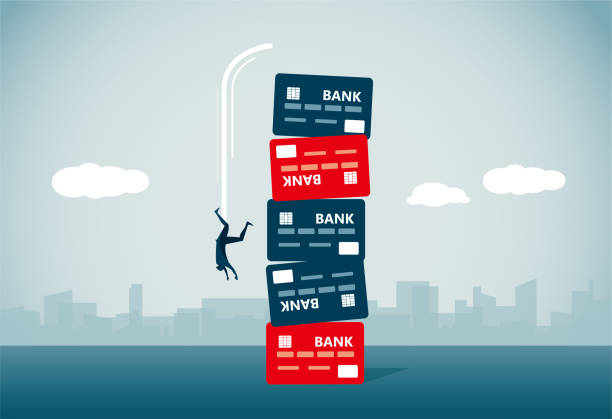
Carrying more than one credit card is pretty normal these days. You might have one for everyday purchases, another for travel rewards, and maybe a store card that got you a discount at checkout. The problem is that having several cards also means juggling several due dates, several balances, and several chances to screw up. The good news is that you can absolutely manage multiple cards without wrecking your credit score, as long as you stay honest with yourself about how much you’re actually spending.The biggest mistake people make is treating each card like a separate little pot of money that has nothing to do with the other pots. But your wallet isn’t the point. Your credit report doesn’t see three individual balances. It sees your total debt across all cards, and that total is what matters most. When you have four cards and each one carries a few hundred dollars, your overall utilization might be sitting at thirty percent or higher, even if no single card feels maxed out. High utilization is one of the fastest ways to pull your score down, because it signals to lenders that you might be living beyond your means. The fix isn’t to close cards or to stop using them. The fix is to focus on the combined number, not the individual ones.That means you need to get serious about paying them off, not just making the minimum payment. The minimum payment is a trap. It looks safe because it’s affordable, but it keeps you in debt for years and racks up interest that makes everything more expensive. With multiple cards, the trap gets deeper because you’re paying minimums on three or four different balances at the same time. You end up sending out a bunch of small payments every month, and your balances barely move. Meanwhile, the interest keeps compounding. If you can’t pay off the full statement balance on every card each month, at least throw as much extra money as you can at the card with the highest interest rate. Don’t spread your extra cash equally. Attack the most expensive debt first, and keep making minimums on the rest until that one is gone.Another hidden problem with multiple cards is due dates. Maybe one bill is due on the first, another on the fifteenth, and a third on the twenty-eighth. Missing a single due date can trigger a late fee and, worse, a negative mark on your credit report that stays there for seven years. The simple fix is to set up automatic payments for at least the minimum amount on every card. You can even schedule them a couple of days before the actual due date to avoid any processing delays. But don’t just set autopay and forget about it. Log in every week or so to check that your balances make sense and that no unauthorized charges popped up. That habit alone will save you from a lot of headaches.You also need to be careful about opening new cards just because you can. Every application triggers a hard inquiry on your credit report, and hard inquiries shave a few points off your score. If you’re young and building credit, a few inquiries here and there won’t ruin you, but opening five new cards in a year will make you look desperate for credit, which is a red flag. Only get a new card if you have a clear reason, like a better rewards structure or a longer interest-free period, and never open one just for the sign-up bonus if you’re carrying a balance on any other card.What about closing cards you no longer use? That’s another common mistake. Closing an old card reduces your total available credit, which makes your utilization go up, even if you didn’t charge anything new. It also shortens your average account age, which can ding your score. Unless the card has an annual fee you don’t want to pay, keep it open and just use it every few months for a small purchase that you pay off right away. That keeps the account active and your credit history healthy.Finally, always keep the big picture in mind. Multiple cards are not a sign of financial success. They’re tools, and tools need maintenance. You wouldn’t leave a hammer out in the rain to rust, so don’t leave your cards sitting with ignored balances. Set a simple rule for yourself: never charge more on any card than you could pay off in a single month. If you need to use multiple cards to get the best rewards on different categories, fine. But treat them as one combined debt, not three separate excuses. When you do that, having multiple cards actually works for you instead of against you.Pay your full statement balance by the due date every single month. If you do this, you won’t be charged any interest at all. Think of it as a free loan for a few weeks! The key is to only buy things you already have the money for in your bank account. This simple habit is the number one rule for using credit cards wisely and keeping your money in your pocket.
Good credit is like a helpful friend when you’re getting ready for your family to grow. It can help you get a safer, more reliable car with a better loan rate. It can also help you rent a bigger apartment or get a mortgage for a house without a huge down payment. When your credit score is strong, lenders see you as responsible, which means they offer you lower interest rates. This saves you money every month, money you can use for diapers, baby clothes, and all the new things you’ll need.
It’s a free service your bank or credit card company provides to show you your credit score. Think of it like a report card for how you handle borrowed money. You can usually find it by logging into your bank’s website or mobile app. It’s often on your account dashboard or in a section called “financial tools” or “credit health.“ It’s a super easy way to keep an eye on your score without having to pay for it or hurt your score by checking.
A secured loan can help your credit score by showing you can handle debt responsibly. When you make every payment on time and in full, that positive activity gets reported to the credit bureaus. This builds a strong payment history, which is the biggest factor in your credit score. Think of it as practice with training wheels—the loan is safer for the lender because of your collateral, and you get a chance to prove you’re trustworthy with credit, which helps your score grow over time.
Good credit gives you financial power to help loved ones when they need it. You might co-sign a student loan for a grandchild with better terms because of your score. If a family member has an emergency, you could use a low-interest line of credit to assist them. Your strong credit history gives you the flexibility to be a financial helper without risking your own retirement security.