3 months 6 days ago
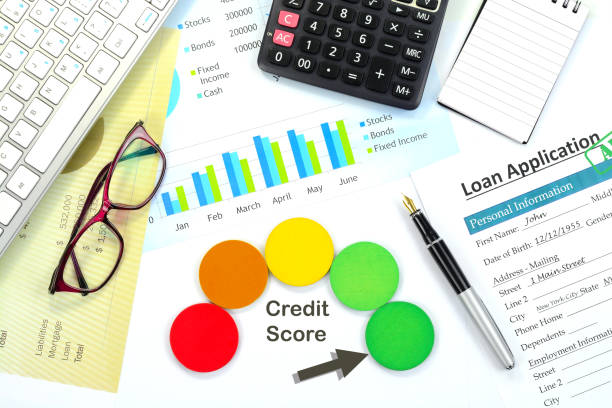
Your credit score is a three-digit number that tells lenders how risky you are as a borrower. When your score is low, you may get turned down for loans, pay sky-high interest rates, or even struggle to get a cell phone plan. Many people think the only fix is to wait years and make payments on time. But there is a faster lever you can pull: your credit utilization ratio. This is just the amount of credit you’re using compared to the total credit available to you. Say you have one credit card with a $2,000 limit. If your balance is $1,500, your utilization is 75%. That’s a red flag to credit scoring models. High utilization means you’re relying heavily on borrowed money, which signals that you might be overextended. The good news is that utilization is highly controllable, and changes to it can show up in your score within a month or two.The first step to improving your utilization fast is to pay down your credit card balances. This sounds obvious, but the key is to focus on getting your balances as low as possible, especially on cards that are close to their limits. A helpful goal is to use no more than 30% of your available credit at any time. But if you want a really strong score, aim for under 10%. That means a $1,000 limit card should carry a balance of no more than $100. Is that always possible? No, but even making a few extra payments during the month can help. Here’s why: most credit card companies report your balance to the credit bureaus on your statement closing date, not your due date. If you wait until the due date to pay, your high balance might already be sitting on your report. Instead, pay a big chunk of your balance before the statement closes. That way, the low balance gets reported, and your score sees the improvement.Another fast move is to ask for a credit limit increase. If you have had your card for a while and have made on-time payments, you can call your issuer or use their app to request a higher limit. For example, if your limit is $1,500 and you get it raised to $3,000, your utilization instantly drops in half, even if your balance stays the same. That can give your score a quick boost. Just be aware that requesting an increase might trigger a hard inquiry, which could temporarily ding your score by a few points. But the long-term benefit of a lower utilization often outweighs that small hit. Also, don’t use the new available credit as an excuse to spend more. Keep your spending habits the same.You can also spread your balances across multiple cards. If you have two cards and you’ve maxed out one, the scoring models look at both your overall utilization and the utilization on each individual card. A single maxed-out card is particularly damaging. So transfer some of the balance to a card with room to spare, or simply use the second card for new purchases while you pay down the first one. The goal is to keep every card below 30% utilization, with at least a couple cards in the low single digits.Be careful about closing old credit cards. When you close a card, you lose its available credit limit, which raises your overall utilization. That can hurt your score. Instead, keep old accounts open, even if you don’t use them. A zero-balance card with a decent limit is your friend.Finally, monitor your progress. Check your credit score through your bank or a free app. See how your utilization changes when you pay a balance down. Many people are surprised to see their score jump 20 or 30 points in just a few weeks. That’s the power of this one simple metric.Remember, utilization is not a long-term cure-all. You still need to make payments on time and manage your debts. But if you need a fast fix for a low score, reducing the amount of your available credit that you’re using is the single most effective move you can make. Get your balances down, keep your limits high, and watch your score climb.Your credit history is like your financial report card. It’s a record of how you’ve handled borrowed money in the past, like credit cards or car loans. Lenders look at this history to decide if they can trust you to pay them back. A good history means you’ll likely get approved for loans and credit cards with better terms, which can save you a lot of money. Think of it as building a reputation for being reliable with money.
Use it the right way by making small, planned purchases you can already afford with the money in your bank account, like a monthly streaming service or gas. Then, pay the entire “statement balance” by the due date every single month. This avoids all interest charges and builds great credit. Never max out your card; try to use less than 30% of your limit. Set up payment reminders so you never forget.
Tracking your credit is like checking the score in a game you’re playing. You can’t win if you don’t know the score! By watching it over time, you can see what helps your score go up and what makes it go down. This helps you make smarter choices, like paying bills on time. It also lets you catch mistakes or problems early, before they can cause bigger trouble when you want to get a car loan or a credit card.
Yes, using too much of your available credit limit hurts your score. Even if you pay the bill in full every month, a high balance when the card company reports it makes you look risky. Try to keep what you owe on each card below 30% of its limit. For example, on a $1,000 limit card, try to keep your balance under $300 when your statement comes.
Your oldest card is special because it shows how long you’ve been responsible with credit. Think of it like a long-term friendship—the longer it lasts, the stronger it looks. Credit bureaus love to see a long history. Closing that account can make your overall credit history look shorter instantly. This can cause your credit score to drop. It’s the anchor of your credit history, so keep it safely open even if you don’t use it much.