1 month 2 weeks ago
When you are 18 to 25, credit can feel like a mystery. You may want a good score so you can rent an apartment, buy a car, or get approved for a credit card with better terms. But the fastest way to get there is not a secret trick. It is one simple goal: build a long streak of on-time payments.Your payment history is the biggest part of your credit score. That means every time you pay at least the minimum by the due date, you are telling lenders you can be trusted. When you are young and your credit file is thin, each payment matters even more. One missed payment can do real damage. It can stay on your report for years and make it harder to get approved for new credit. A perfect payment streak, even if it starts with one small card, is the foundation you want.Start with a credit card you can handle. If you are a student, a student card may be easier to get. If you cannot get approved, a secured card can work. You put down a small deposit, and that becomes your credit limit. You can also become an authorized user on a parent or trusted adult’s card, but only if they pay on time and you both understand the rules. The goal is not to get the biggest limit. The goal is to get one account you can manage well.Once you have the card, use it for something small and regular. A streaming subscription is a common choice. Then set up autopay for at least the minimum payment. Better yet, set autopay for the full statement balance. That way you never miss a due date, and you avoid interest charges. Check your account before the payment goes through to make sure the money is there. A payment that bounces can hurt you like a late payment.A good credit goal for ages 18 to 25 is to keep your use low. Credit use, often called utilization, is how much of your limit you are using. If your limit is five hundred dollars and your balance is one hundred dollars, you are using twenty percent. Many experts suggest staying under thirty percent, and under ten percent is even better. But you do not need to carry a balance to build credit. In fact, paying your card in full each month is the smartest move. You can still show activity without paying interest.Do not chase rewards if they make you spend more. A cash back card is only helpful if you were going to buy the item anyway. If you buy extra things to earn points, you are losing money. Your credit goal is not to collect rewards. Your credit goal is to prove you can borrow a little and pay it back. That proof is what lenders want to see.Another goal is to avoid the minimum payment trap. The minimum payment is the smallest amount you must pay to keep the account current. It is not a plan to get out of debt. If you pay only the minimum, interest adds up, your balance grows, and your credit use goes up. That can lower your score. If you ever carry a balance, stop using the card and pay more than the minimum whenever you can. Make a simple budget. Know what comes in and what goes out. Even a small extra payment each month helps.You should also check your credit reports for mistakes. You can get free reports from the major credit bureaus. Look for accounts you do not recognize, wrong balances, or late payments that are not yours. If you find an error, you can dispute it. This is not about being paranoid. It is about protecting the credit you are building.At 18 to 25, time is on your side. The length of your credit history helps your score, so keeping your oldest account open is usually a good idea. Do not close your first card just because you got a better one. Do not open five new cards in one month. Each new application can cause a small drop in your score, and too many new accounts can make you look risky. Slow and steady wins.Your first credit goal should be simple. Pay every bill on time. Keep your balances low. Pay in full when you can. Check your reports. Do that for six months, then twelve months, then two years. A long streak of on-time payments will open doors. It can help you rent an apartment, get a car loan, or qualify for a better card. Credit is a tool, not free money. Use it carefully, and it will serve you for years.Starting with just one card is the smart move. Learn to manage it perfectly first—paying on time and in full. Having more than one card can be helpful later to increase your total available credit, which can help your score. But more cards mean more bills to track and more chances to overspend. Only consider a second card after you’ve mastered the first one for at least a year.
Start with these three key alerts to build a strong safety net. First, turn on transaction alerts for any purchase over a small amount, like $1. This catches fraud immediately. Second, set up payment due date reminders so you never miss a bill and hurt your credit. Third, use low balance alerts to avoid overdraft fees. These basics give you peace of mind and help you manage your cash without any surprise problems.
Yes, but not directly. The tool itself doesn’t approve you. Instead, it helps you become “approval-ready.“ By watching your score and the tips provided, you can improve your number before you even apply. Many bank tools also show you if you’re “pre-approved” for offers. These are invitations where you have a very strong chance of getting approved, which is much better than applying randomly and getting denied, which can hurt your score.
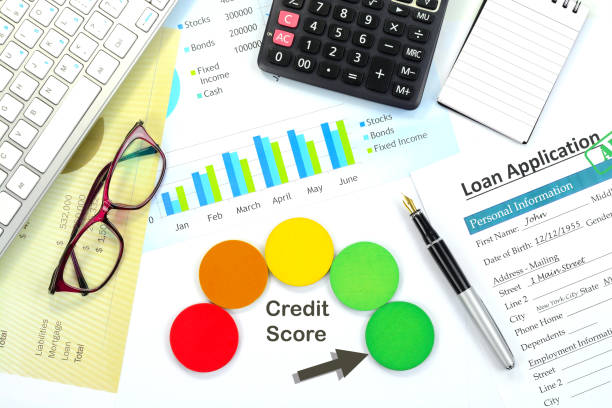
Your credit score is important because it follows you everywhere when you need to borrow money. A high score can help you get approved for a credit card, a car loan, or a mortgage to buy a house. It also decides the interest rate you pay; a great score can save you thousands of dollars by getting you a lower rate. Landlords and even some employers might check it, too.
Your credit report is the detailed history of your loans and bills. Your credit score is the number grade that comes from that history. The report is like all your test papers and homework; the score is the final grade on your report card. You need to check both to get the full picture of your credit health.