3 months 2 weeks ago
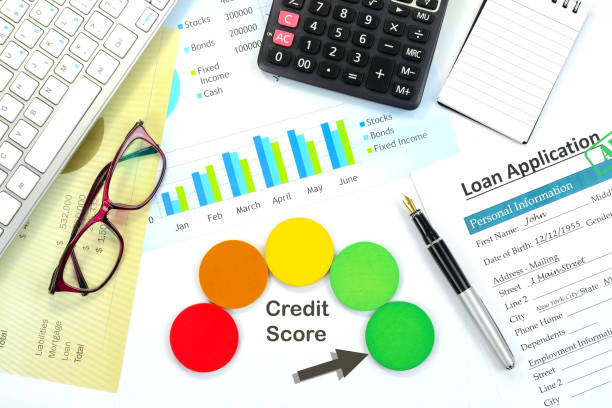
If you’ve ever tried to build credit from scratch, you already know the frustrating loop. You need credit to get approved for things like a car loan or an apartment, but you can’t get credit because you don’t have a history. It feels like a locked door with the key on the other side. Credit cards are the usual answer, but they’re not for everyone. Maybe you don’t trust yourself with a plastic card yet, or you simply don’t want one. That’s where a credit builder loan comes in. It’s a different way to get the same result: a solid credit score that opens doors for you.Here’s the honest breakdown of how these loans work, because the name is a bit misleading. A credit builder loan is not a loan you get to buy something. You never see the money upfront. Instead, the lender puts the loan amount into a locked savings account or certificate of deposit in your name. You then make fixed monthly payments, usually for six to twenty-four months. Once you’ve paid off the entire amount, the lender releases the funds to you. So you’re essentially saving money in a forced, structured way, and in exchange, the lender reports your payment history to the three major credit bureaus: Equifax, Experian, and TransUnion.Why does that help your credit? Your payment history is the single biggest factor in your credit score, making up about 35 percent of it. Every month you pay on time, the bureau sees a positive mark. After just a few months, you’ll start to see your score climb. The loan also boosts your credit mix, which is another 10 percent of your score. Credit scoring models like to see that you can handle different types of debt, not just revolving credit like cards. An installment loan, which is what a credit builder loan is, adds variety to your profile. That alone can give you a small but meaningful bump.But there are traps to avoid, and they’re not hidden in fine print. The biggest one is missing a payment. Because the lender is reporting to the bureaus, a single late payment can hurt your score just as badly as it would with any other loan. That’s why it’s crucial to set up automatic payments from your checking account, or at least put reminders on your phone the day your payment is due. The second trap is the fee structure. Some credit builder loans come with administrative fees or high interest charges. Always read the terms before you sign up. A decent credit builder loan should have a low interest rate, and the total fees shouldn’t eat up a big chunk of the money you’ll get back at the end. You’re already doing the hard work of saving. Don’t pay extra for the privilege.Another thing to know: the amount of the loan matters far less than your reliability. Some people think they need a larger loan to get a bigger score boost. That’s not true. The scoring models don’t care that much about the dollar amount. They care about whether you pay on time and keep up until the loan is done. A small loan of $500 can be just as effective as a $3,000 loan. In fact, starting smaller is often smarter because the monthly payments are lower and you’re less likely to struggle. The point isn’t to test your financial endurance. It’s to build a pattern of good behavior.One more benefit that people overlook: when the loan ends, you get a lump sum of cash that you’ve been paying to yourself the whole time. This can become a tiny emergency fund or a seed for a bigger goal like a security deposit or a used car. That’s a nice reward after you’ve proven to yourself and to the credit bureaus that you can handle a long-term commitment.If your goal is to build credit without touching a credit card, a credit builder loan is about as close to a sure thing as you’ll find. The reasons are simple. It forces a savings habit, it reports positive payment history, and it diversifies your credit profile. Just do your homework first. Look for loans from credit unions or community banks, which tend to offer the most reasonable terms. Stay away from any lender that promises an instant score jump or charges more than a few dollars a month in fees. And don’t apply for multiple loans at once, because each application creates a hard inquiry on your report, which can lower your score slightly. One at a time is plenty.The credit system can feel rigged, especially when you’re starting out. But a credit builder loan flips the script. It lets you build a strong history using nothing but time and consistency. No plastic, no debt spiral, no fine print tricks. Just payment after payment, and a score that starts working for you. That’s a smart first step, and one you’ll thank yourself for later.The safest and most common first step is to add them as an authorized user on your credit card. This means they get a card linked to your account, but you are still fully responsible for the bill. Your good payment history on that card can then show up on their credit report, giving them a positive boost. Just remember, any mistakes you make (like late payments) will hurt their credit too, so only do this if you pay your bill on time every month.
You can use valuable items you own that the lender can accept. The most common things are cash (like a savings account or certificate of deposit), your car, or sometimes the equity in your home. The item must be worth enough to cover the loan amount. For building credit, a “savings-secured loan,“ where you borrow against your own money in the bank, is often the safest and easiest place to start.
You can get your free report at AnnualCreditReport.com. This is the only official website set up by law. You can get one free report from each of the three big companies—Equifax, Experian, and TransUnion—every year. Be careful of other websites that say “free” but then try to charge you monthly fees. Always go straight to the official site to avoid any surprise costs.
It helps by giving you credit for something you’re already paying! Your credit score loves to see a long history of on-time payments. If you pay rent on time every month, reporting it creates a track record of good behavior. This new positive history can help balance out other factors and show lenders you are responsible, which can slowly improve your score.
Think of your card like the key to your money. If someone steals it, they can use it to buy things with your money. Keeping it safe stops thieves from making charges you didn’t approve. Always know where your card is, just like you would with your phone or house key. If it’s lost or stolen, you must tell your bank right away to stop anyone else from using it.