today
Automatic payments are one of the easiest ways to stay on top of bills and protect your credit. You set them up once, and the money moves without you remembering a due date. But autopay only works well when the timing is right. A bad date can overdraft your checking account, cause a late payment, or add fees. The fix is simple: pick autopay dates that match your paydays and leave a small buffer.Start by looking at when money comes in. Most people get paid on a schedule, like every other Friday or on the first and fifteenth. Your bills do not care about that schedule, but your bank account does. Set each autopay for one or two days after your paycheck lands. Do not set it for the same day. Direct deposits can post early, on time, or later in the day, depending on your bank.Next, look at the due date for each bill. Credit cards, utilities, phone bills, and insurance all have different dates. Set autopay for a few days before the due date, not on the due date itself. For credit cards, decide whether autopay should cover the minimum, a fixed amount, or the full statement balance. Paying the full balance is best if you can, because it avoids interest.Do not put every bill on the same day. It feels neat, but it can drain your account fast. If rent, insurance, internet, and a credit card all hit on the same morning, you might not have enough left for groceries or gas. Spread your autopay dates across the month. If you get paid twice a month, put half your bills after each paycheck. That keeps your balance steadier and lowers the chance of an overdraft.Use the right bank account. A checking account with a steady balance is usually best. Savings accounts can have withdrawal limits, and some lenders charge fees for debit card payments. If you change banks, update every autopay right away. An old account can close, and your payment will fail. That can lead to a late fee and a mark on your credit report.Turn on alerts. Autopay does not mean you can ignore your accounts. Set notifications for upcoming payments, successful payments, and low balances. Check your statements every month. Autopay can fail if a card expires, an account closes, or there is not enough money. It can also pay the wrong amount if your bill changes. A quick monthly review catches problems before they hurt your credit.If you are nervous about autopay, start with one bill. Choose a fixed amount, like rent, insurance, or your phone bill. Once it works, add another. For credit cards, set autopay for at least the minimum payment on every card. That gives you a safety net. If you can pay in full, set it to full balance. If you carry a balance, pay more than the minimum when you can. Autopay keeps you current, but it does not fix a budget problem.Make a simple bill calendar. Use a notes app, spreadsheet, or paper calendar. Write down paydays, due dates, and autopay dates. Then check for clusters. If three bills land before your next paycheck, call the companies and ask to change due dates. Many will work with you, especially if you have been on time. Moving a due date is easier than fixing a late payment.Have a backup plan for tight months. If money is short, do not let autopay bounce. Turn off autopay for that bill and pay what you can manually. Then contact the company before the due date. Ask about a payment plan or a new due date. Bounced payment fees and late fees add up fast, and a payment 30 days late can hurt your credit score for years.Autopay is a tool, not a magic trick. The best setup is boring: the right account, the right date, a small buffer, alerts, and a monthly check. It takes twenty minutes to set up and a few minutes each month to review. That small effort can save late fees, protect your credit score, and remove stress from your life.Your credit score is important because it follows you everywhere when you need to borrow money. A high score can help you get approved for a credit card, a car loan, or a mortgage to buy a house. It also decides the interest rate you pay; a great score can save you thousands of dollars by getting you a lower rate. Landlords and even some employers might check it, too.
A secured card requires a cash deposit you pay upfront, like $200. That deposit acts as your credit limit and protects the bank if you don’t pay. An unsecured card doesn’t need a deposit; the bank gives you a limit based on trust. Both types report to the credit bureaus and help you build credit. Secured cards are often easier to get for your very first card. The key for both is to pay your bill in full and on time every single month.
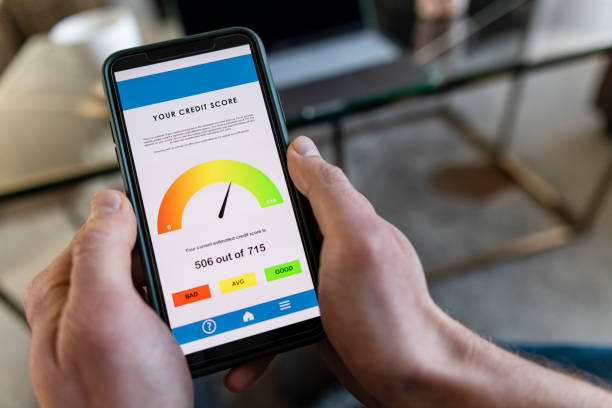
Think of your credit score as a grade for how you handle borrowed money. It’s a three-digit number, usually between 300 and 850, that lenders look at to decide if they can trust you to pay back a loan or credit card. Just like a good grade in school makes teachers happy, a good credit score makes lenders more likely to say “yes” to you and offer you better deals.
You should talk directly to the customer service department of the bank, credit card company, or lender you owe. Explain what happened in a simple way. Be honest. Ask them if there is anything they can do to help, like waiving a late fee or setting up a payment plan if you’re really stuck. They deal with this all the time and often have options to help good customers.
The safest and most common first step is to add them as an authorized user on your credit card. This means they get a card linked to your account, but you are still fully responsible for the bill. Your good payment history on that card can then show up on their credit report, giving them a positive boost. Just remember, any mistakes you make (like late payments) will hurt their credit too, so only do this if you pay your bill on time every month.