5 months 3 days ago
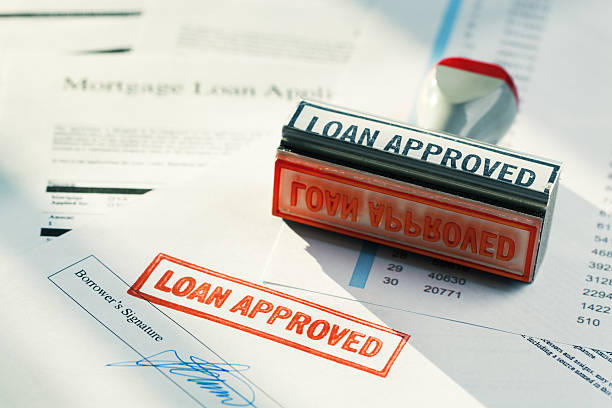
Most people think the only way to build credit is with a credit card or a loan. But you already pay for things every month that could be working in your favor. Your phone, electricity, water, and internet bills are all recurring payments. They show you can handle regular financial obligations. The catch is that credit bureaus don’t automatically see those payments. They only see them when you don’t pay. A late utility bill can get sent to collections and wreck your score. But an on-time bill does nothing. That seems backwards, right? The good news is that you can change that. There are now simple ways to get your utility and phone bill payments counted as positive credit history.The most well-known option is called Experian Boost. It’s a free service from Experian, one of the three major credit bureaus. You connect your bank account, and Experian scans your payment history for utility bills, phone bills, and even streaming subscriptions like Netflix or Spotify. Then it adds those on-time payments to your credit file. The effect can be immediate. Many people see their FICO score go up by a few points or even more, especially if they have a thin credit file. That means they have little to no credit history. For someone just starting out, this can be a real game changer.Another option is UltraFICO, which works a bit differently. Instead of just looking at utility bills, it looks at your everyday banking activity. It checks if you keep a certain amount of money in your accounts and if you pay bills regularly. You have to opt in and give permission, but if you’re approved, it can boost your credit score by adding a positive view of your cash flow. It’s not just about utilities or phone bills, but those are part of the picture.Now, before you get too excited, you need to know what these services don’t do. They don’t report your payments to all three bureaus. Experian Boost only affects your Experian score. That means if a lender checks Equifax or TransUnion, they won’t see those boosted payments. It also doesn’t change your actual credit report in the traditional sense. It adds a separate layer of data that only that particular bureau uses. So you might see a higher score on Credit Karma or from Experian, but a lender using a different bureau might not see the same number.Also, these services only work with regular, recurring bills. You can’t use them for rent payments, car insurance, or anything that isn’t tied to a consistent billing cycle. And they don’t help if you have a history of late payments on those utilities. If you’ve paid your phone bill late three times in the past year, that could actually hurt you because the service will see those late payments too. So you need to be honest with yourself about your payment habits.If you want to go the more traditional route, you could look into a secured credit card or a credit builder loan. But the question here is about using utility and phone bills without cards. The simplest thing you can do is sign up for Experian Boost and see if it helps. It takes about ten minutes and doesn’t require a hard inquiry, so your score won’t drop from trying it. Just connect your bank account, let it scan your payment history, and see what happens.Another thing to consider is whether your utility or phone company reports payments on its own. This is rare, but some smaller utility providers and prepaid phone services do report to credit bureaus. It’s worth calling your provider and asking if they report monthly payment history. If they do, you’re already getting credit for those payments. If they don’t, you can ask if they have a program for it. Some companies have started offering “credit reporting as a bonus” to customers who opt in. It costs them nothing, and it can be a selling point for you.The big picture is that your phone bill is already a bill you have to pay. You might as well make it count. But don’t expect this to be a magic fix. Building credit takes time. A utility bill boost might get you from no score to a fair score, or from fair to good. But it won’t take you from bad to excellent. For that, you need a mix of credit types, a long history, and low balances on revolving accounts. Still, if you’re just starting out or you have a thin file, using your phone bill is a solid first step.Just remember to keep your payments on time. That’s the foundation. No boost service can save you if you pay late every other month. Set up autopay, use reminders, or link your bills to your bank account. The more consistent you are, the more those on-time payments mean. And when you finally do apply for a real line of credit, you’ll have a little bit of history already working for you. It’s not the flashiest way to build credit, but it’s free, easy, and uses something you already have. Your phone is in your hand right now. Let it start working for your future.When you first get approved for the loan, your score might dip a little. This happens because the lender does a “hard inquiry” to check your credit, which shows up on your report. It’s a small, temporary drop. Think of it like a small speed bump—you slow down for a second, then keep going. The important thing is that you now have a chance to build great credit by making all your payments on time.
You should use one to get credit for bills you already pay. Think about it: you pay your phone and rent on time every month, but that good history is invisible to your credit score. A reporting service makes those payments count. This is especially helpful if you have a thin credit file or are just starting out. It’s a simple way to add more good payment history without taking on a new loan or credit card.
Not right away. You must first make sure the debt is correct and that you actually owe it. Mistakes happen! Once you get the validation letter, check the amount, the original creditor, and the dates. If something is wrong, you can dispute it in writing. If it’s correct, you do owe the debt. But you can still work on a payment plan or settlement. Never agree to pay anything until you have the deal in writing from the collector.
It’s easy! Just use it for one small, regular purchase every few months, like a streaming service or a coffee. Then, set up automatic payments to pay the full balance from your bank account. This tiny bit of activity tells the bank you’re still using the card. They won’t close it for being inactive. The key is to never carry a balance and pay it off completely each month.
You can check your own history for free! The best way is through AnnualCreditReport.com. This is the official site to get a free report from each of the three major credit bureaus once every year. Checking your own report does not hurt your score. It’s like looking in a mirror for your finances—you get to see what lenders see and make sure all the information is correct.