

2 months 2 days ago
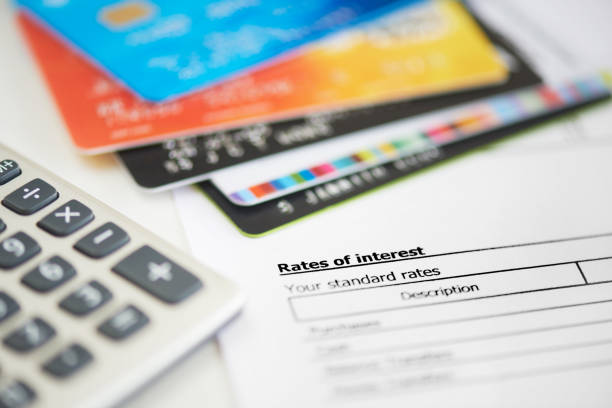
Many people think having more than one credit card is a bad idea. The truth is, if you handle them correctly, multiple cards can actually help you build a stronger credit profile and earn better rewards. The key is knowing how to manage them without slipping into debt or losing track of due dates.First, understand why having multiple cards can be beneficial. Different cards come with different perks. One might give you cash back on groceries, another might offer 2% on all purchases, and a third could have zero foreign transaction fees for travel. By spreading your spending across the right cards, you can maximize rewards without changing your habits. Also, having several cards means your overall available credit is higher. This can lower your credit utilization ratio, which is a fancy way of saying how much of your total credit limit you’re actually using. Keeping that ratio under 30% is a big deal for your credit score. For example, if you have one card with a $1,000 limit and you spend $300, that’s 30% utilization. But if you have three cards with a combined $3,000 limit and the same $300 in spending, that’s only 10%. Your score likes that.But here’s where it gets tricky. The more cards you have, the easier it is to overspend. It’s psychologically harder to keep track of money when it’s spread across four or five accounts. You might think a $50 purchase here and a $40 purchase there aren’t a big deal. But they add up fast. That’s why you need a system. Start by setting a budget for each card. Know exactly what you plan to put on each one. If one card is for subscriptions and another is for gas, stick to that. Don’t let a card become a free-for-all.Another critical piece is paying on time. Missing a payment hurts your credit no matter how many cards you have. But with multiple cards, you increase the risk of forgetting one due date. Set up auto-pay for at least the minimum amount on every card. Even better, pay the full statement balance each month to avoid interest charges. If you can’t do that, at least pay more than the minimum. And check your due dates. Spread them out so you don’t have all of them on the same week. Many issuers let you change your payment date. Use that feature to even things out.You also need to be careful about applying for new cards. Each time you apply, the lender does a hard inquiry on your credit report. That can knock a few points off your score. Too many inquiries in a short period looks risky. So don’t open multiple cards in a month. Space out your applications by at least six months, or even a year. Also, don’t open a new card just because there’s a sign-up bonus. Only apply if the card actually fits your spending patterns and you can earn the bonus without overspending.Another common mistake is closing old cards when you get new ones. You might think it’s cleaner to have fewer accounts. But closing a card reduces your total available credit, which can raise your utilization ratio. It also can shorten your credit history, especially if that old card is one of your oldest accounts. A longer credit history is good for your score. So unless the card has an annual fee that isn’t worth it, leave the old ones open and use them occasionally to keep them active. A small purchase every few months should do the trick.You also have to watch out for annual fees. Some premium cards charge $95 or more per year. If you’re not getting enough value from the rewards, that fee is wasted. Add up what you actually gain from each card. If one card has a fee and you’re not using its perks, consider downgrading to a no-fee version instead of closing it outright. That way you keep the credit limit and account history.Finally, take a regular look at your statements. With multiple cards, small fraudulent charges can slip through because you’re not paying close attention. Check each transaction at least once a week. Most issuers have apps that let you see everything instantly. If you spot something weird, report it right away. Catching fraud early protects your money and your credit.The bottom line is that multiple credit cards are not the enemy. They’re a tool. Used wisely, they can boost your score, save you money with rewards, and give you purchasing power when you need it. Used carelessly, they can drag you into debt and wreck your credit. The difference is you. Your habits, your discipline, and your willingness to stay organized. Start with two cards if you’re new. Learn how to manage them. Add a third only when you’re comfortable. And always remember this rule: never spend more than you can pay off in full each month. Follow that, and you’ll be fine no matter how many cards you carry.Building strong credit is a marathon, not a sprint. You need to show you can be responsible over a long period. You might see some improvement in a few months of good habits, but building a truly excellent score often takes years. The length of your credit history matters. This is why it’s smart to start with a simple credit card or loan as soon as you responsibly can and keep that account in good standing for a long time. Patience and consistency pay off.
Paying just the minimum keeps your account in good standing, but it’s very costly. Most of your payment goes to interest, not the original amount you borrowed. This means your debt shrinks very slowly. You could be stuck paying for that pizza or pair of shoes for years and years, paying much more than the original price. It’s like filling a bucket with a huge hole in the bottom.
It’s a free service your bank or credit card company provides to show you your credit score. Think of it like a report card for how you handle borrowed money. You can usually find it by logging into your bank’s website or mobile app. It’s often on your account dashboard or in a section called “financial tools” or “credit health.“ It’s a super easy way to keep an eye on your score without having to pay for it or hurt your score by checking.
You should ask them clear questions. Ask if they always pay the bill on time and in full. Ask what the credit limit is and how much of it they typically use. Most importantly, agree on clear rules about if you will actually use the card, what you can buy with it, and how you will pay them back for any charges you make.
No, checking your own credit score does NOT hurt it. This is called a “soft inquiry,“ and it has zero impact. It’s smart and responsible to check on your own information. What can cause a small, temporary dip is a “hard inquiry,“ which happens when a lender checks your report because you applied for a new loan or credit card. So, feel free to monitor your own score as much as you want—it’s a great habit that shows you’re paying attention.