6 months 5 days ago
You’ve probably heard it from a friend, a family member, or even some random person on the internet: “If you want a good credit score, you need to carry a balance on your credit card and pay interest.“ That’s absolutely false. It’s one of the most stubborn credit myths out there, and believing it can cost you real money every single month. Let’s break down why this myth exists, what actually builds your score, and how to avoid falling into this trap.First, understand how credit card interest works. When you use your card, you get a statement every month with a due date and a “statement balance.“ If you pay the full statement balance by the due date, you pay zero interest. That’s how credit cards are supposed to work – you get a short-term, interest-free loan from the card issuer. The moment you carry any part of that balance past the due date, the card issuer starts charging interest on the remaining amount, usually at a rate of 20% or more. That’s expensive. And guess what? That interest does not help your credit score in any way. It only helps the credit card company’s bottom line.So where did this myth come from? Probably from people who misunderstand how credit utilization works. Credit utilization is the second-biggest factor in your credit score, right after payment history. It’s the amount of credit you’re using compared to your total credit limit. For example, if you have a card with a $1,000 limit and you charge $200, your utilization is 20%. Credit scoring models like to see utilization below 30%, and lower is even better. Some people see that and think, “Oh, I need to have a balance on my card to show I’m using credit.“ That’s not true. Utilization is calculated based on the balance that appears on your statement, not on whether you carry that balance forward and pay interest. You can use your card for everyday purchases, get a statement with a balance, and then pay that balance in full. You still have a reported balance, so your utilization is still measured. You just don’t owe any interest. That’s the sweet spot.Another reason the myth persists? Some older credit advice told people to keep a small balance because, in the early days of credit scoring, carrying debt might have shown you could manage it. But scoring models have changed. They’re much smarter now. They know the difference between someone who pays off their card every month and someone who revolves a balance. In fact, paying in full every month is a stronger signal of responsible credit use than paying a little bit of interest. Credit issuers and scoring models want to see that you can use credit without getting into debt trouble. Carrying a balance suggests you can’t fully pay off what you owe, which is actually a risk factor.Let’s also talk about what happens if you carry a balance. The most obvious problem is the interest charges. Say you have a $1,000 balance with a 20% APR. If you only make the minimum payment, you could be paying hundreds of dollars in interest over a year. That’s money you could have used for groceries, rent, savings, or anything else. On top of that, carrying a high balance from month to month can push your credit utilization up. If you’re using $800 of a $1,000 limit, your utilization is 80%, which will tank your score. So not only are you paying interest, but you’re also hurting the very score you’re trying to build. It’s a double whammy.What actually builds your credit? Payment history is the biggest piece, so making on-time payments every single month is crucial. The easiest way to do that is to set up autopay for at least the minimum, but ideally you’ll pay the full statement balance. If you use your card for a few regular purchases – like gas or groceries – and then pay off the statement balance in full by the due date, you’re building positive payment history and keeping your utilization low. That’s all you need. You do not need to pay anyone a penny of interest to have an excellent credit score. In fact, the best credit card users never pay interest – they just use the card for the rewards and the buyer protections, then clear the balance every month.One last thing: some people think that carrying a small balance of, say, $20 on a $500 limit will boost their score faster than paying in full. That’s also false. The score doesn’t know or care whether you pay in full or not. It only looks at the reported balance and your payment history. As long as you pay something – at least the minimum – on time, the payment history is positive. But paying in full is better for your wallet and your stress level. It also prevents you from accidentally slipping into debt if you forget to pay one month.The bottom line is simple: carrying a balance is a myth that only serves credit card companies. It doesn’t build credit, it doesn’t improve your score, and it doesn’t show responsibility. What it does is cost you money and potentially lower your score if your utilization gets too high. Use your card like a debit card – spend only what you can afford to pay back right away – and pay off your statement balance in full every month. That’s the real secret to building and keeping a great credit score. Ignore anyone who tells you otherwise.Yes, you can! Experian offers a free service called Experian Boost. It gives you your real FICO Score 8, which is a score many lenders actually use. A unique feature lets you add phone and utility bills to your report, which can help your score. You get free monthly updates directly from one of the three major credit bureaus.
Absolutely, yes! A car loan is a powerful tool to build your credit history, which is a big part of your score. If you make every single monthly payment on time, you are showing lenders you are reliable. This positive payment history is the most important factor for your credit score. Over time, as you pay the loan responsibly, it proves you can handle debt well and your score can improve.
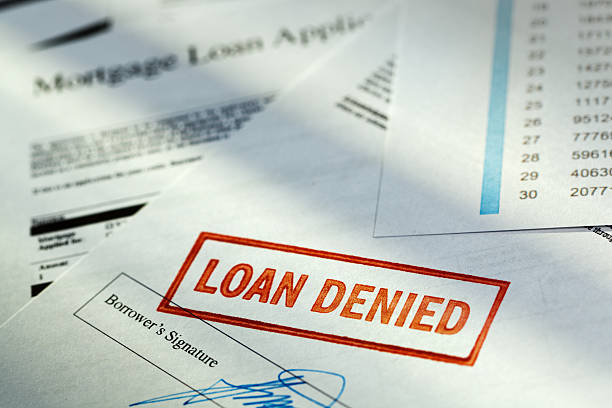
You don’t need a perfect score, but higher is always better. Many loans require a minimum score of 620, but that’s just to get in the door. To get the best rates and loan options, you should aim for a score of 740 or above. If your score is below 620, you’ll likely have a very hard time getting approved by most lenders. Don’t guess—check your score for free online well before you start house hunting so you know where you stand.
If you’re just starting out, don’t worry! You can begin by getting a “starter” credit product. This could be a secured credit card (where you put down a cash deposit), becoming an authorized user on a family member’s card, or getting a credit-builder loan from a bank or credit union. Use the card for small, regular purchases you can afford, like gas, and pay the full balance off every month. This slowly builds a positive track record.
Your score can drop almost immediately after you’re 30 days late. Credit card companies and lenders typically report to the credit bureaus once a month. If your payment is late when they send their report, that negative mark gets added right away. There’s usually no grace period once you hit that 30-day mark. This is why it’s so important to contact your lender the moment you know you’ll be late—they might offer a one-time courtesy.