4 months 2 weeks ago
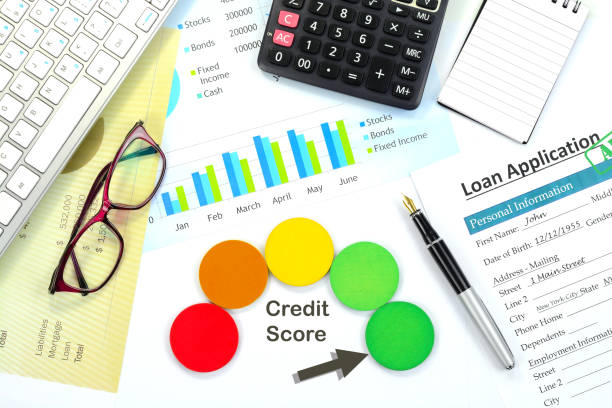
Your twenties were a crash course in credit. You got your first card, maybe made a few late payments, and learned the hard way that carrying a balance hurts more than just your wallet. Now that you’re in your thirties, things are different. You might have a steady job, a car loan, rent, or even a mortgage. Your credit score matters more because you’re applying for bigger things – a better apartment, a lower car insurance rate, or a loan for a new business. So when is the right time to open another credit card? It’s not about getting more plastic to spend more money. It’s about giving your credit history a boost without dragging your score down.The biggest mistake people in their late twenties and early thirties make is opening a new card on a whim. A store offers you 20 percent off at check out, and you think, “Sure, why not?” That single move can ding your score by several points because of what’s called a hard inquiry. That’s when a lender checks your credit to decide if you’re worth lending to. Every hard inquiry sits on your report for two years, and while a couple are fine, too many make you look like someone who’s desperate for money. So before you ever fill out an application, stop and ask yourself one question: why do I want this card? If the answer is just for a discount or a free T-shirt, skip it. But if you have a real reason tied to your larger credit goals, then it might be the right time.A solid reason to open a new card in your thirties is to improve your credit mix. Your credit score isn’t only about paying on time. It also looks at the types of credit you have. If you’ve only ever had one credit card and a student loan, your mix is limited. Adding a card with a different payment schedule – like one that you pay off in full every month versus one with an installment plan – shows lenders you can handle different kinds of debt. That can nudge your score upward. Another good time to open a card is right after a raise or a new job. Your higher income means you can handle a bigger credit limit, and that’s useful. When you get a card with a higher limit, it lowers your overall credit utilization – that’s the percentage of your available credit you’re actually using. Keep that percentage under 30 percent, and your score gets a nice little jump.But you also need to think about the age of your credit. This one trips people up. Your credit score takes into account the average age of all your accounts. If you’ve had one card for eight years and you open a new one, that average age drops. It’s not a huge deal if you’re planning to apply for a mortgage in the next two years, because the dip is temporary. However, if you know you’re going to need a clean credit report soon – like for a rental application or a car loan – then wait. The key is to open a new card when you have nothing big coming up in the next six to twelve months. That gives the hard inquiry time to fade and gives your new account time to age.Another smart time is when you want to take advantage of a sign-up bonus, but only if you can hit the spending requirement without going into debt. Say a card offers $200 cash back if you spend $1,000 in the first three months. If you already have that money set aside for a big purchase like new tires or a vacation, then use the card to pay for it, get the bonus, and pay the bill in full. That’s free money and a small credit bump. But if you’re tempted to spend more than you have just to get the bonus, don’t do it. The interest will wipe out any benefit fast.Finally, think about your future goals. If you’re planning to buy a house in a few years, opening one careful card now can help you build a thicker file. Lenders like to see that you’ve handled a mix of credit over time. Just don’t go overboard. One new card a year is plenty for someone in their thirties. Each time you open one, give it a few months of regular, on-time payments. Pay the statement balance in full every month. That habit does more for your credit than any fancy rewards program ever will.In short, opening a new credit card in your thirties isn’t about chasing offers. It’s about timing. Do it when you have a clear purpose, a stable income, and no big credit applications on the horizon. Do it when you can use the card responsibly and pay it off right away. If you do that, a new card becomes a tool to build your score for the decade ahead. If you don’t, it’s just another way to dig a hole. You’re grown now. Choose the tool.Yes, you should pay the missed amount as soon as you possibly can. But don’t stop there. When you make the payment, also ask about any late fees you were charged. Sometimes, if it’s your first time missing a payment, the company might be nice and remove that fee for you. It never hurts to ask politely. Getting your account current stops the problem from growing.
Use your card for small, regular purchases you can afford, like a monthly streaming service or gas. Always, always pay the entire statement balance on time every month. This shows lenders you are responsible. Try to keep your spending well below your credit limit; using less than 30% is a great goal. Do this consistently for 6-12 months. This good behavior gets reported and builds your credit score, opening doors to better cards and loan rates in the future.
If you can’t pay the full amount, always pay at least the minimum payment by the due date to avoid late fees and credit score damage. Then, stop using the card immediately. Create a plan to pay off the remaining balance as fast as you can. Contact your card company; they might be able to help with a payment plan. This is a signal to spend less until the card is paid off.
Your phone can be a great tool for safety. Set up alerts so your bank texts you for every purchase. This way, you’ll know instantly if something is wrong. Many banks also let you “freeze” your card right from their app if you just misplace it, then “unfreeze” it if you find it. Using your phone to pay (like with Apple Pay or Google Pay) can also be safer than swiping your physical card.
It depends on how serious the mistake was. For a few late payments, you might see improvement in 6-12 months of good behavior. For bigger issues like a bankruptcy, it can take years. The key is to start now. Every single month you pay your bills on time from this point forward is a positive step that helps. Think of it like healing a scraped knee—it doesn’t get better overnight, but consistent care makes a huge difference.